
Loading, please wait...
LOT 1915
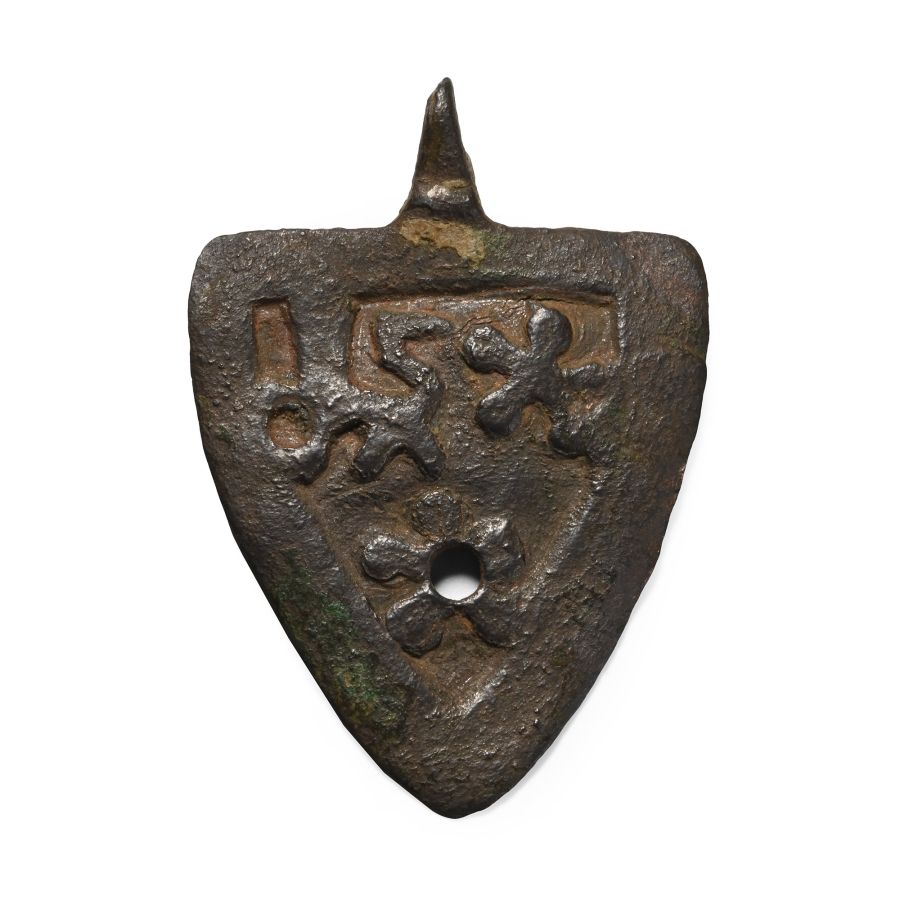
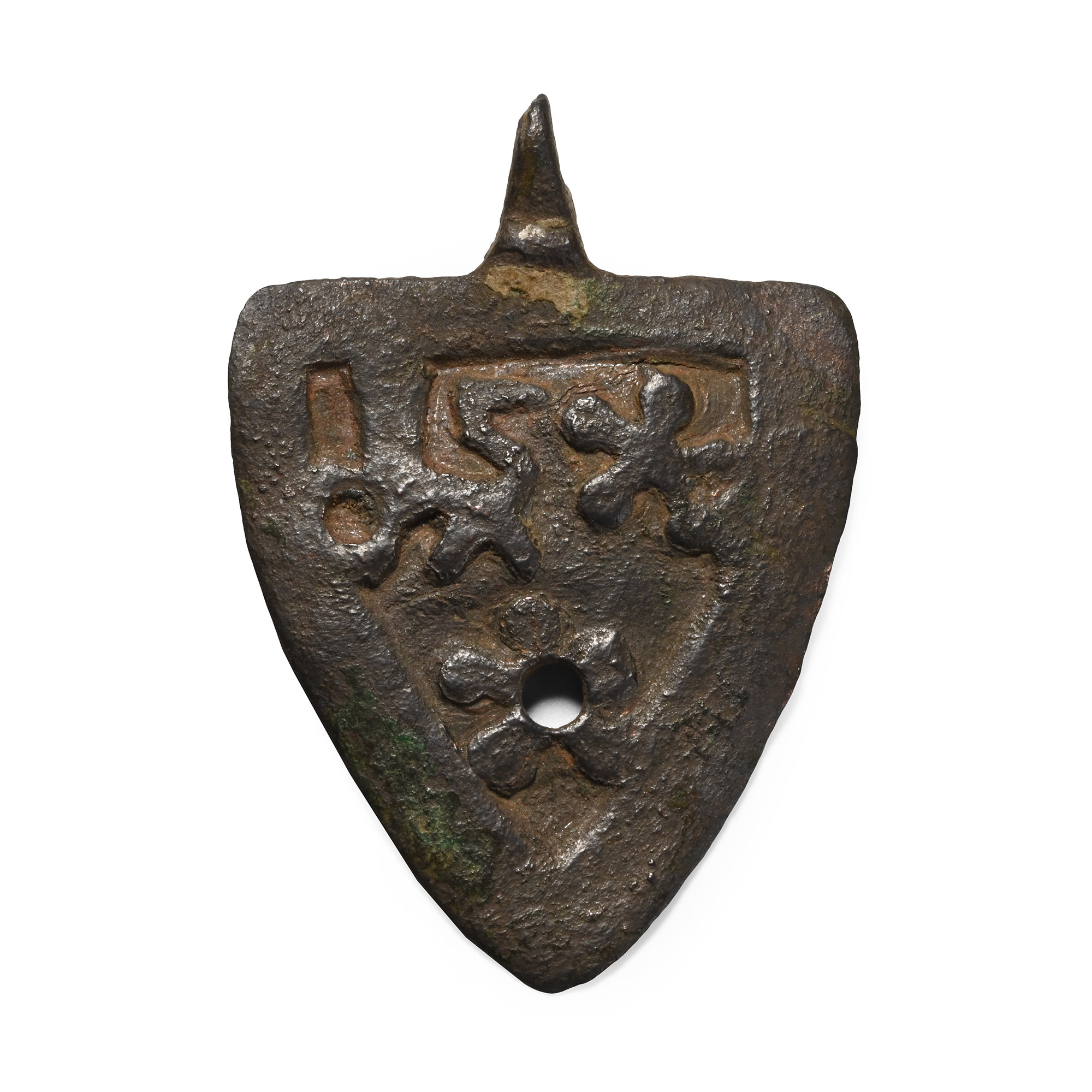
Medieval Knight's Bronze Heraldic Horse Harness Pendant
14TH-15TH CENTURY A.D.
1 3/4 in. (7.14 grams, 46 mm).
Heater-shaped with heraldic design of flowers, pierced at the bottom. [No Reserve]
ProvenanceFrom the private collection of the late Graham Slater (1927-2024), Cambridge, UK, acquired 1980s-1990s.
CONDITIONTimeLine Auctions follows a vetting process to ensure the authenticity and legality of all items, reinforcing our commitment to integrity and responsible trading. Each antiquity, antique, and coin lot undergoes thorough examination by a vetting committee of at least ten external specialists, professional trade association members, scientists, and archaeologists: Our Vetting Process
AUCTIONS:
TimeLine is a leading auction house specialising in antiquities, ancient art, collectables, natural history, coins, medals, and books. Our auctions offer museums, collectors, historians, and enthusiasts the opportunity to acquire unique and historically significant pieces.
-
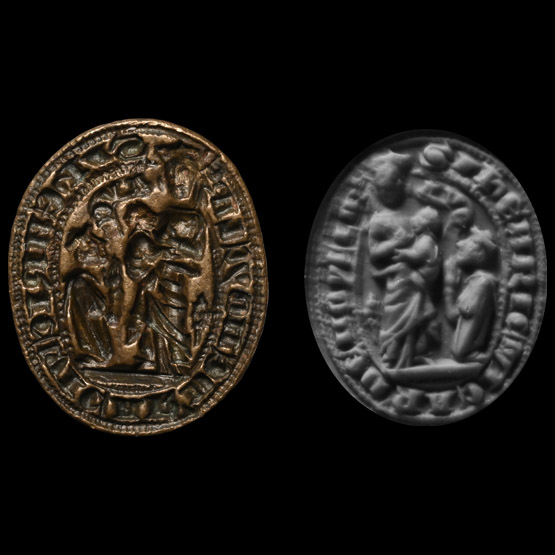
Medieval Bronze Ecclesiastical Chess Piece Type Seal Matrix for Henry Vicar of Noycln
14th century A.D.Sold for (Inc. bp): £169
Ellipsoid seal with facetted shank and pierced lug above; tondo with two standing figures and Lombardic script legend 'S* HENRIC ' VICAR DE NOY[...]'; 'AVE' (greeting) above heads. 10.66 grams, 24 mm
From the collection of a late Gloucestershire, UK, collector. -
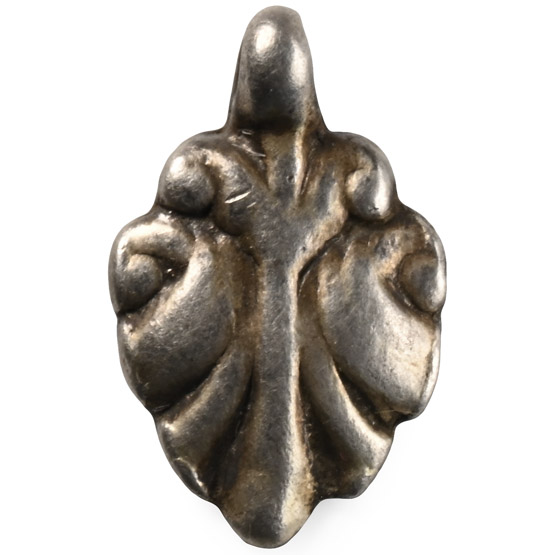
Medieval Silver Leaf-shaped Pendant
13th-15th century A.D.Sold for (Inc. bp): £59
Formed as a palmette with granules and loop. 1.9 grams, 17 mm
Ex German art market, 2000s. Acquired from an EU collector living in London. From the collection of a Surrey, UK, gentleman. -
.jpg)
Massive Medieval Gilt Oak Hammer Beam Roof Angel Pair
Possibly East Anglia, 1470-1500 A.D.Sold for (Inc. bp): £5,200
Comprising a matched pair of substantial hammer beams from a truss roof, each with a longitudinal slot in the upper face at the rear and socketted brace; slightly tapering square-section body with tiered feather carved detailing, collar of domed bosses on the neck of an angelic head with flounced curls of hair, fleshy facial details with carved eyes and pupils; drilled to accept trennels, some in place; some gilding and pigment present; some longitudinal splitting. 80.5 kg total, 142 cm each
From a family collection for over 60 years. From a late friend of Mr Robin Cox of Newark, UK. Accompanied by an academic report by Dr Raffaele D’Amato. This lot has been checked against the Interpol Database of stolen works of art and is accompanied by search certificate number no.13033-247084.
