
Loading, please wait...
LOT 1703
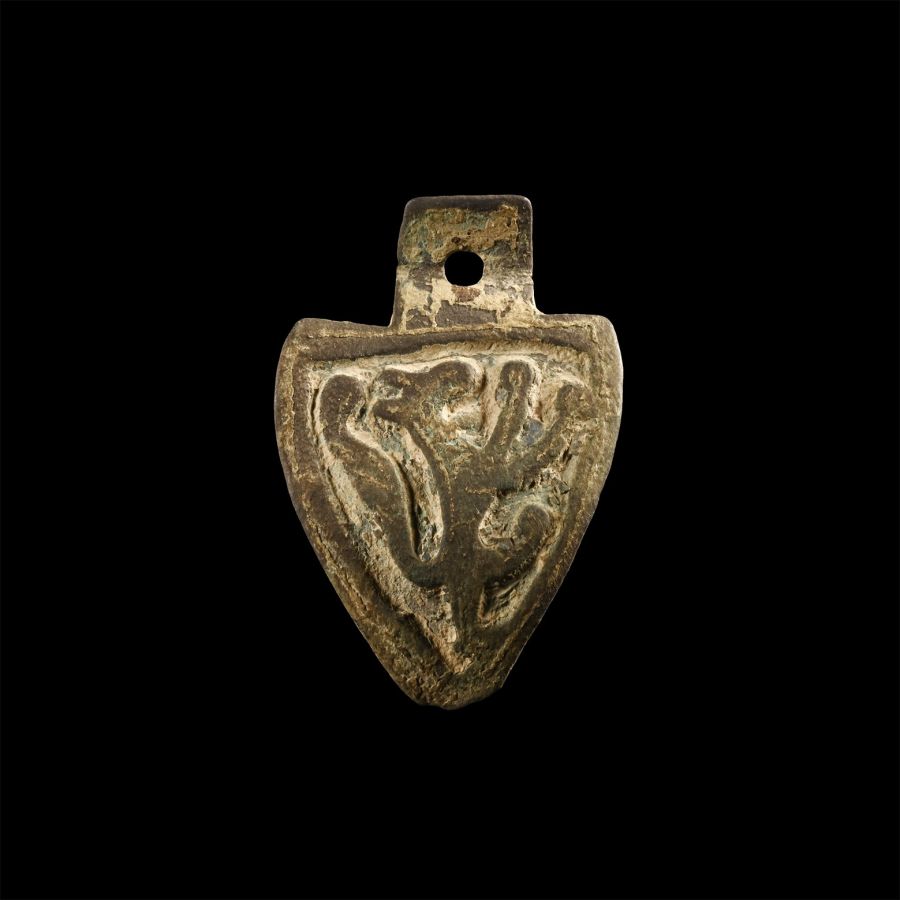
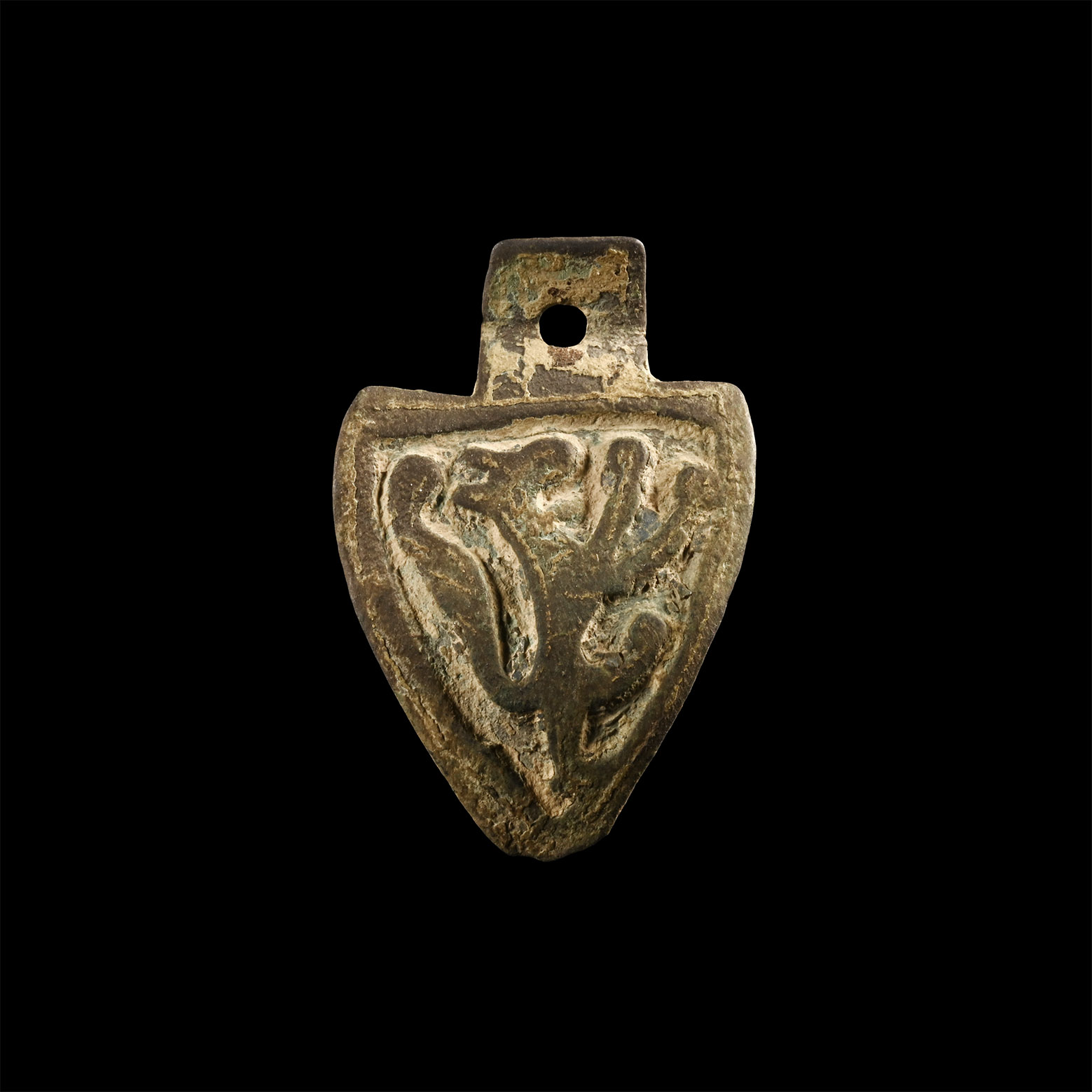
Medieval Knight's Bronze Heraldic Horse Harness Badge with Rampant Lion
14TH-16TH CENTURY A.D.
1 7/8 in. (9.97 grams, 48 mm).
Heater-shaped with a pierced rectangular lug to the top edge, displaying a rampant lion right on a reserved field. [No Reserve]
ProvenanceFound Hampshire, UK.
CONDITIONTimeLine Auctions follows a vetting process to ensure the authenticity and legality of all items, reinforcing our commitment to integrity and responsible trading. Each antiquity, antique, and coin lot undergoes thorough examination by a vetting committee of at least ten external specialists, professional trade association members, scientists, and archaeologists: Our Vetting Process
AUCTIONS:
TimeLine is a leading auction house specialising in antiquities, ancient art, collectables, natural history, coins, medals, and books. Our auctions offer museums, collectors, historians, and enthusiasts the opportunity to acquire unique and historically significant pieces.
LOT 1703
Medieval Knight's Bronze Heraldic Horse Harness Badge with Rampant Lion
Sold for (Inc. bp): £72
-
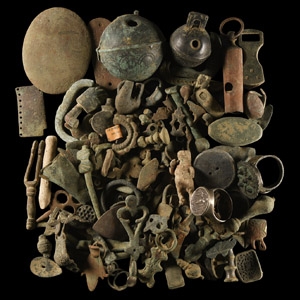
Medieval and Later Bronze Artefact Group
Circa 12th-20th century A.D.Sold for (Inc. bp): £98
Comprising complete and fragmentary artefacts including: crotal bells; clothes clasps; finger rings; heart-shaped mounts; furniture fittings; purse bars and other miscellaneous items, including gilt examples. 680 grams total, 14-60 mm
Found Berkshire, UK. -
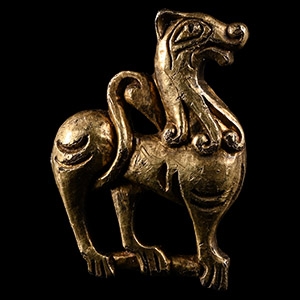
Norman Silver-Gilt Statant Beast Brooch
Circa 11th-12th century A.D.Sold for (Inc. bp): £2,106
Of Romanesque style with hollow reverse to the body, catch behind the neck and hinged pin to the reverse; modelled in the half-round. 8.3 grams, 28 mm
Acquired early 1990s. From an East Anglian private collection. -
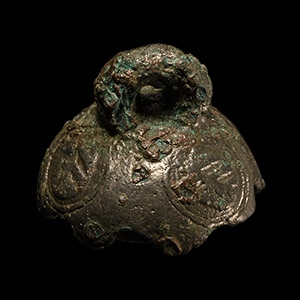
Medieval Bronze Steelyard Weight with Heraldic Shields
Circa 1260-1300 A.D.Estimate: £100 - 140 (+bp*)
Opening Bid: £50
Hemispherical with suspension loop at apex; three heraldic shields within roundels to the shoulder, scalloped lower edge. 70 grams, 32 mm
Ex Simmons Gallery, London E11, UK, in the 1990s. From a North London collection.
