
Loading, please wait...
LOT 1583
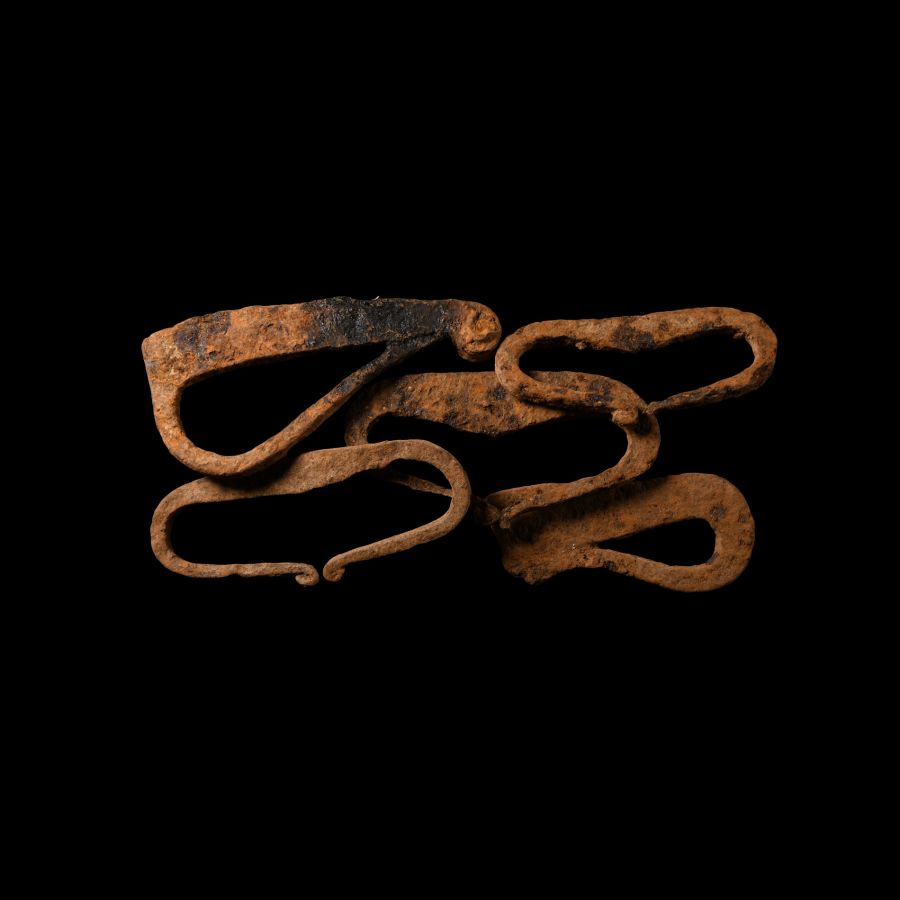
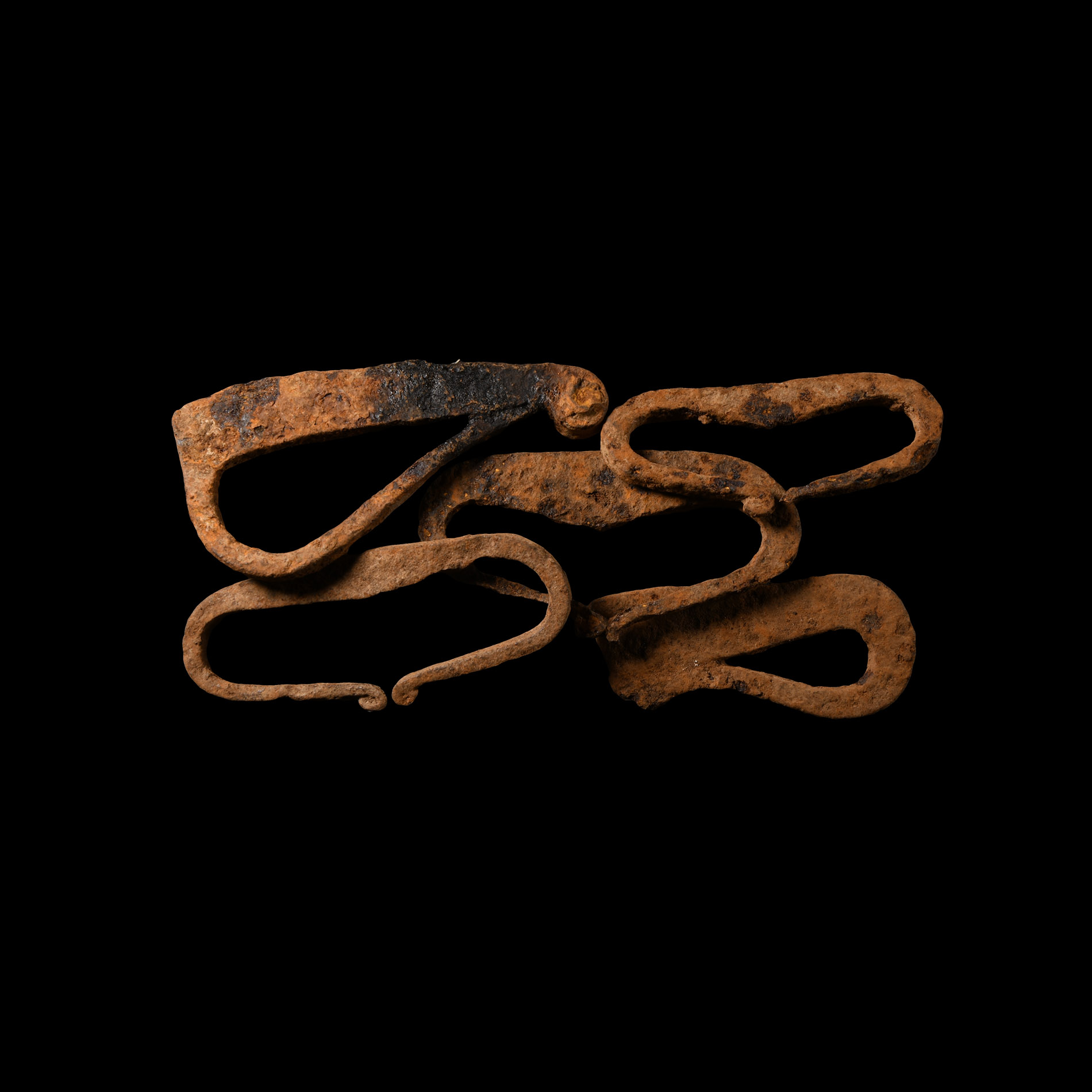
Medieval Iron Fire Starter Group
CIRCA 15TH CENTURY A.D.
2 1/4 - 3 in. (118 grams total, 56-75 mm).
Including fire steels of various types with ornamental shaping. [5]
ProvenanceAcquired 1990s-early 2000s.
East Anglian private collection.
TimeLine Auctions follows a vetting process to ensure the authenticity and legality of all items, reinforcing our commitment to integrity and responsible trading. Each antiquity, antique, and coin lot undergoes thorough examination by a vetting committee of at least ten external specialists, professional trade association members, scientists, and archaeologists: Our Vetting Process
AUCTIONS:
TimeLine is a leading auction house specialising in antiquities, ancient art, collectables, natural history, coins, medals, and books. Our auctions offer museums, collectors, historians, and enthusiasts the opportunity to acquire unique and historically significant pieces.
LOT 1583
Medieval Iron Fire Starter Group
Estimate £80 - 100€93 - 116 (for guidance only)$108 - 135 (for guidance only)
-
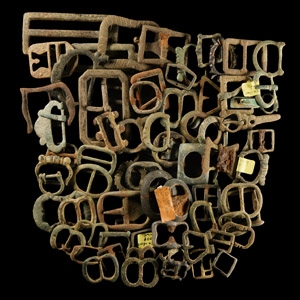
Medieval and Later Bronze Buckle Collection
Circa 12th-20th century A.D.Sold for (Inc. bp): £39
Comprising a variety buckle types and sizes from a broad range of time periods, including examples with trace remains of gilding; decoratively shaped and incised examples; together with a small number retaining their tongues or straps. 306 grams total, 13-61 mm
Found Berkshire, UK. -
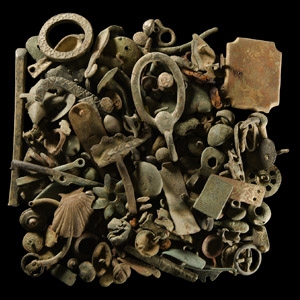
Medieval and Later Bronze Artefact Group
Circa 12th-20th century A.D.Sold for (Inc. bp): £52
Comprising: buttons; spur rowels; weights; jewellery items; furniture and clothes fittings, together with other miscellaneous items; including objects displaying decorative elements. 695 grams total, 0.9-10.4 cm
Found Berkshire, UK. -
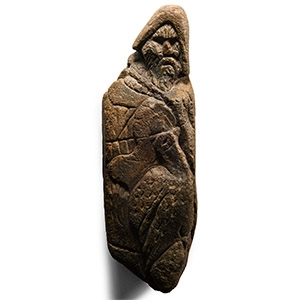
Medieval Stone Carving of Saint Francis with Bird
Circa 14th century A.D.Estimate: £400 - 600 (+bp*)
Opening Bid: £200
A water-worn stone carving depicting a robed Saint Francis standing beside a peahen or other bird. 848 grams, 20.3 cm
Found in the river Nene, Northamptonshire, UK. Ex Norfolk collection in the early 2000s.
