
Loading, please wait...
LOT 1698
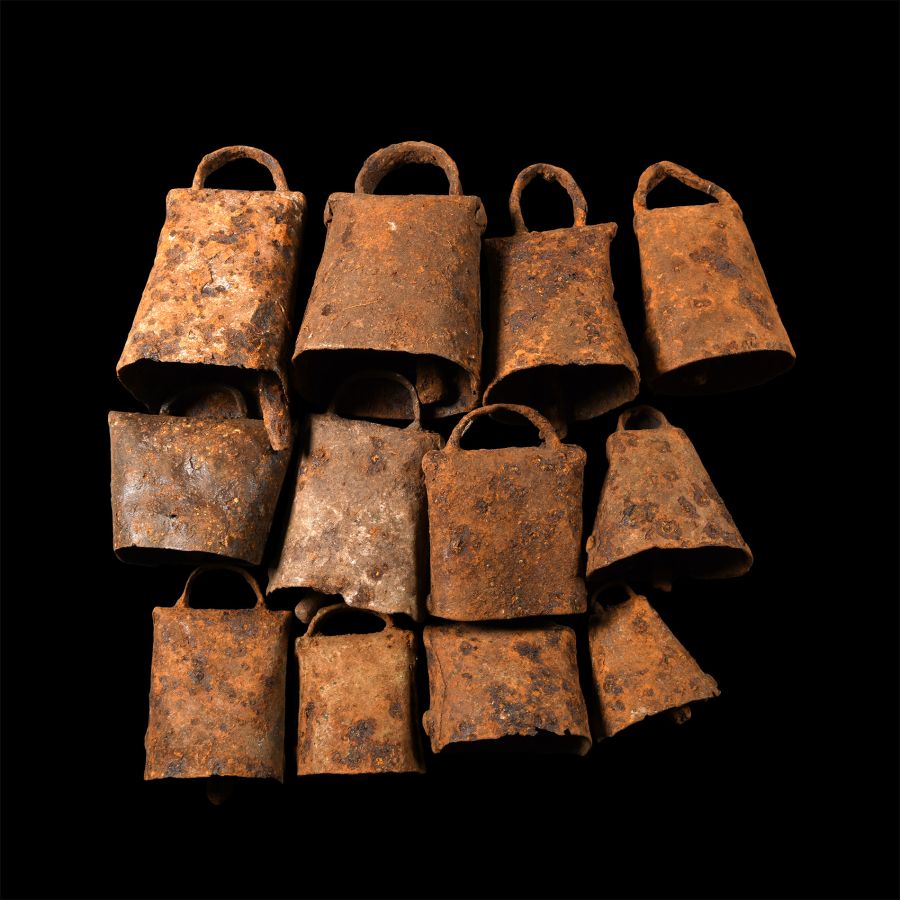
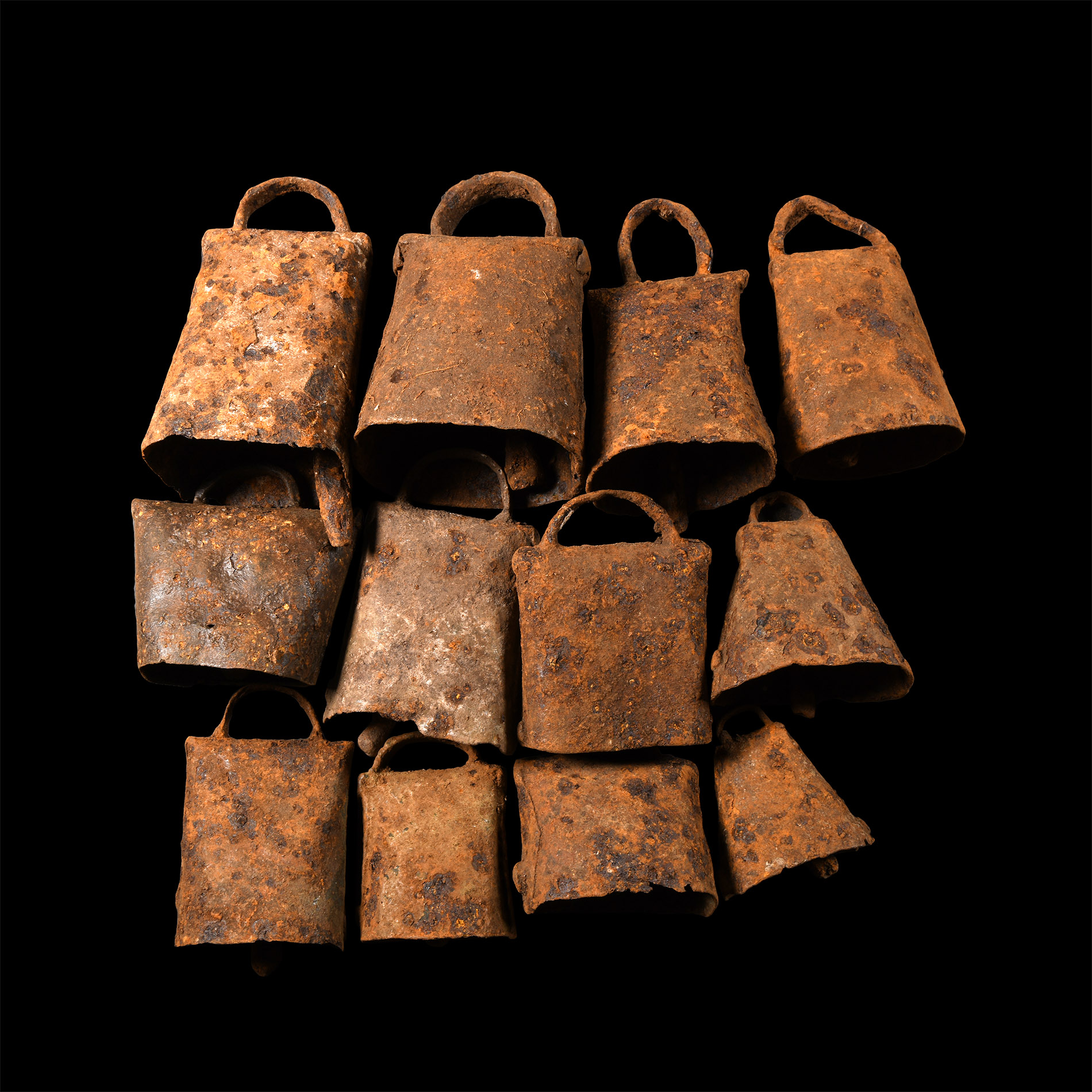
Medieval Iron Bell Group
17TH-18TH CENTURY A.D.
2 - 5 in. (1 kg total, 5-13 cm).
Comprising bells of various shapes and sizes, most retaining their suspension loop and clapper and producing a range of sounds. [12, No Reserve]
ProvenanceAcquired 1990s-early 2000s.
East Anglian private collection.
Cf. similar specimen in PAS OXON-B6021C, found in Oxfordshire.
FootnotesLike the bell found in Oxfordshire, these bells are quadrangular with sloping sides to a narrow rounded top, furnished of a hanging ring. While these bells are similar in overall shape to Roman and Middle Saxon examples, a post medieval date is perhaps more likely.
CONDITIONTimeLine Auctions follows a vetting process to ensure the authenticity and legality of all items, reinforcing our commitment to integrity and responsible trading. Each antiquity, antique, and coin lot undergoes thorough examination by a vetting committee of at least ten external specialists, professional trade association members, scientists, and archaeologists: Our Vetting Process
AUCTIONS:
TimeLine is a leading auction house specialising in antiquities, ancient art, collectables, natural history, coins, medals, and books. Our auctions offer museums, collectors, historians, and enthusiasts the opportunity to acquire unique and historically significant pieces.
-
.jpg)
Medieval 'Thames' St. Thomas Becket Lead-Alloy Pilgrim's Badge
Late 13th-14th century A.D.Sold for (Inc. bp): £156
Depicted standing on the back of a peacock with his right hand extended in a gesture of benediction, crozier in his left hand. 2.19 grams, 24 mm
Fine condition.
Found on the Thames foreshore at Chiswick, London, UK. Acquired on the UK antiques market between 1974-1985. Albert Ward collection, Essex, UK. -
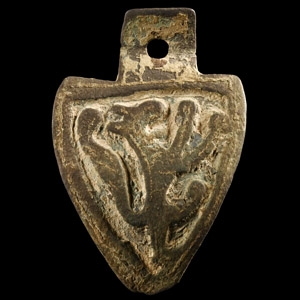
Medieval Knight's Bronze Heraldic Horse Harness Badge with Rampant Lion
14th-16th century A.D.Sold for (Inc. bp): £72
Heater-shaped with a pierced rectangular lug to the top edge, displaying a rampant lion right on a reserved field. 9.97 grams, 48 mm
Found Hampshire, UK. -
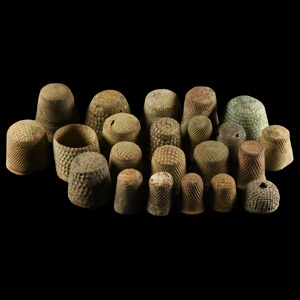
Medieval and Later Bronze Thimble Collection
Circa 15th-20th century A.D.Sold for (Inc. bp): £23
Composed of thimbles of various dates, types and sizes, including beehive and decorated examples. 77 grams total, 12-23 mm
Found Berkshire, UK.
