
Loading, please wait...
LOT 1154
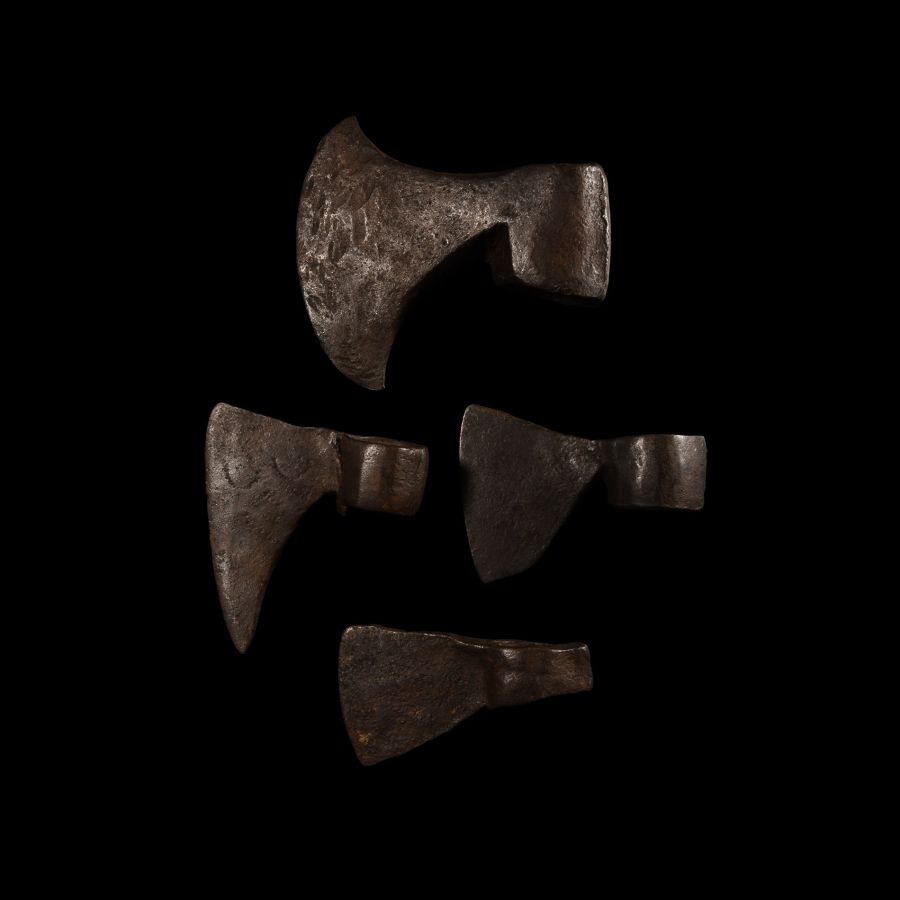
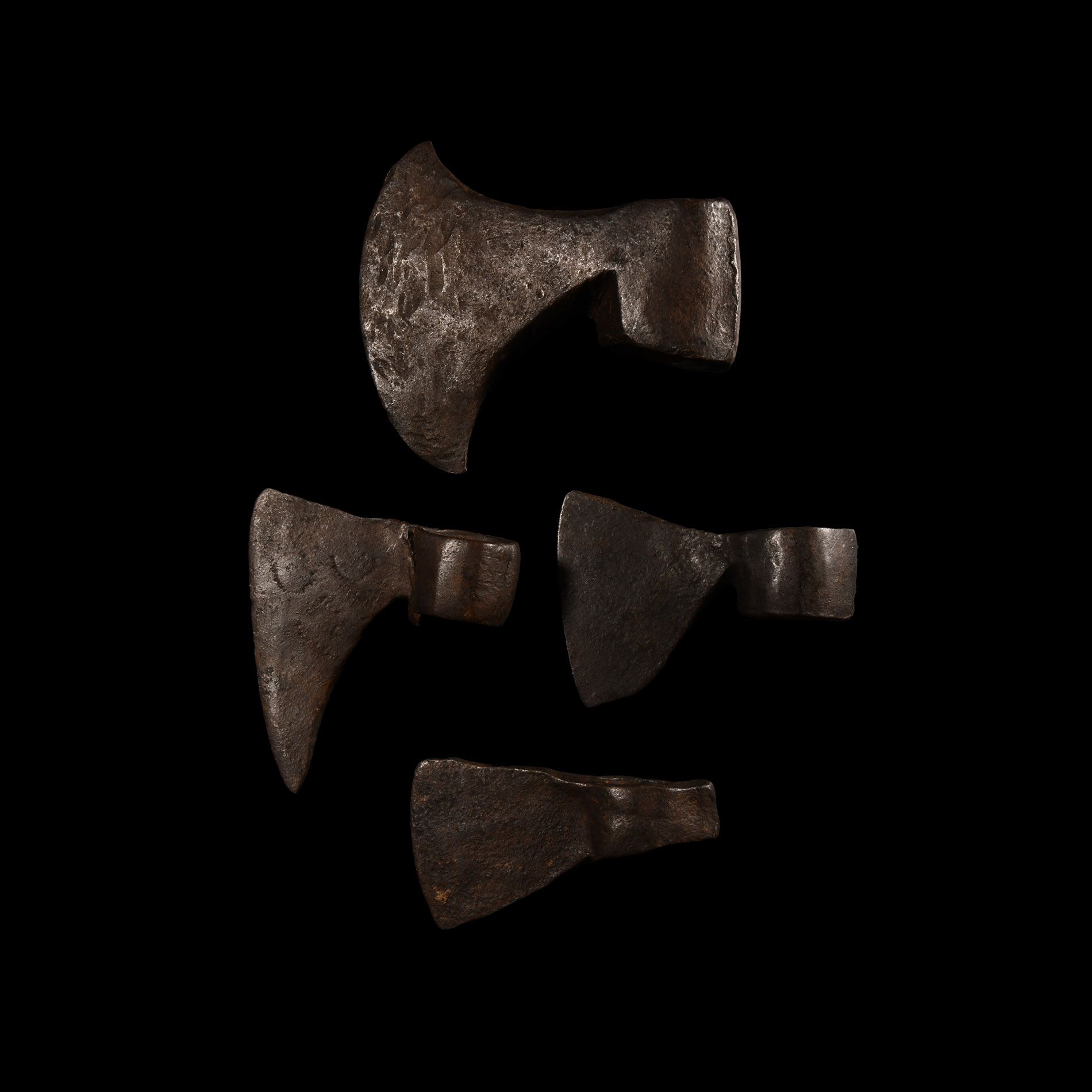
Medieval Iron Axehead Collection
CIRCA 14TH-16TH CENTURY A.D.
3 1/2 - 5 in. (1.5 kg total, 9.1 - 12.8 cm).
Composed of a variety of axehead types, each with a roughly circular socket, including one example with punched crescents to one face. [4, No Reserve]
ProvenanceEx property of B.C., previously in a 1970s collection.
Property of a Ruislip, UK, gentleman, by inheritance.
Accompanied by a previous dealer's certificate of authenticity.
TimeLine Auctions follows a vetting process to ensure the authenticity and legality of all items, reinforcing our commitment to integrity and responsible trading. Each antiquity, antique, and coin lot undergoes thorough examination by a vetting committee of at least ten external specialists, professional trade association members, scientists, and archaeologists: Our Vetting Process
AUCTIONS:
TimeLine is a leading auction house specialising in antiquities, ancient art, collectables, natural history, coins, medals, and books. Our auctions offer museums, collectors, historians, and enthusiasts the opportunity to acquire unique and historically significant pieces.
-
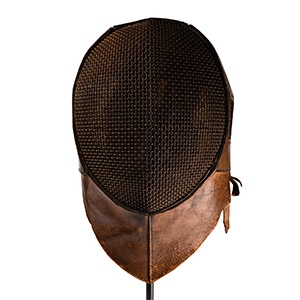
British Leather Fencing Helmet
Circa 1890-1920s A.D.Sold for (Inc. bp): £234
By Lillywhite Frowd Co of London, fitted with neck fringe, stamped buckled securing strap and wire mesh face and ear panels, padded lining internally marked 'broad arrow-over-67' so likely a military issue. 2.0 kg, 39 cm
Acquired from Manfred Schotten Antiques, 2016. The Kusmirek Collection, UK. Accompanied by a copy of Manfred Schotten invoice and listing.
Although masks/helmets of this general form are typically associated with sword fencing, this example is of very heavy construction so possibly for use in protecting while training with a heavier weapon than a foil or epee. -
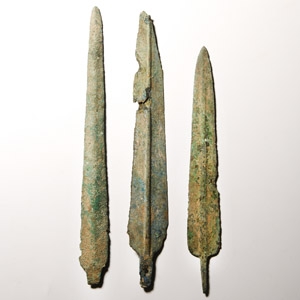
Luristan Bronze Arrowhead Group
2nd-1st millennium B.C.Estimate: £100 - 140 (+bp*)
Opening Bid: £50
Comprising three leaf-shaped tanged arrowhead types. 215 grams total, 19-21 cm
Acquired 1980-2015. Ex Abelita family collection. -
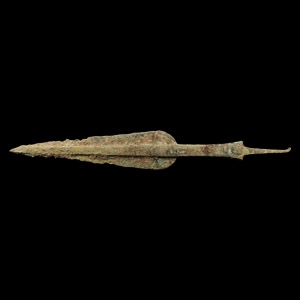
North-West Persian Bronze Spearhead
1200-1000 B.C.Estimate: £100 - 140 (+bp*)
Opening Bid: £50
With long tapering blade with rounded shoulders and prominent mid-rib, the tang bent at tip with round stud terminal. 295 grams, 34.5 cm
Acquired 1980-2015. Ex Abelita family collection.
The weapon belongs to the type 1 of the Khorasani spearhead classification, mainly from Marlik or Amlash areas. Similar pieces have been dated by Stutzinger to 1200-1100 B.C., but the period of use is attested to at least until the 1000 B.C.
