
Loading, please wait...
LOT 1624
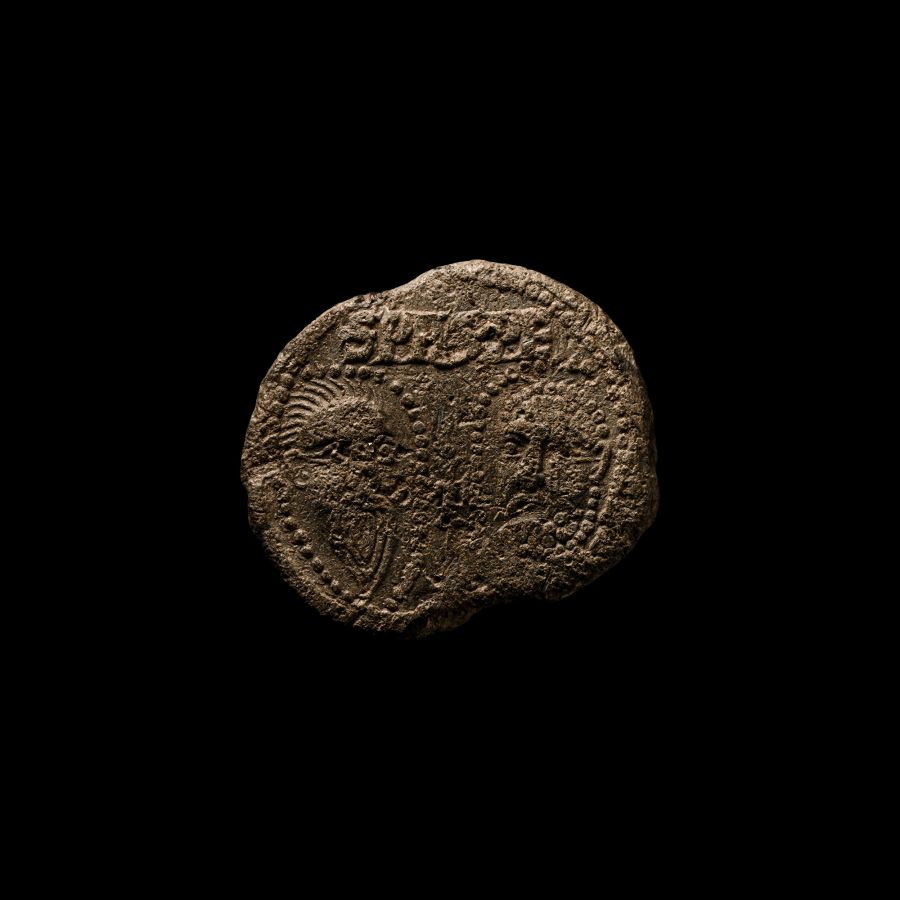
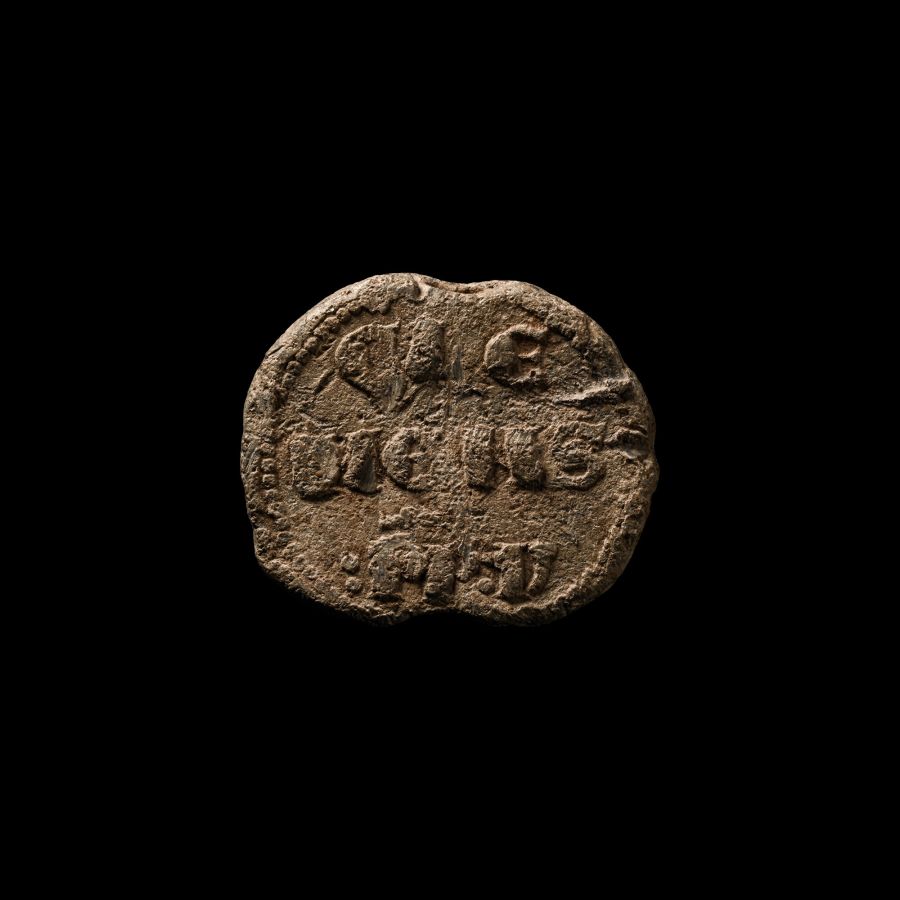
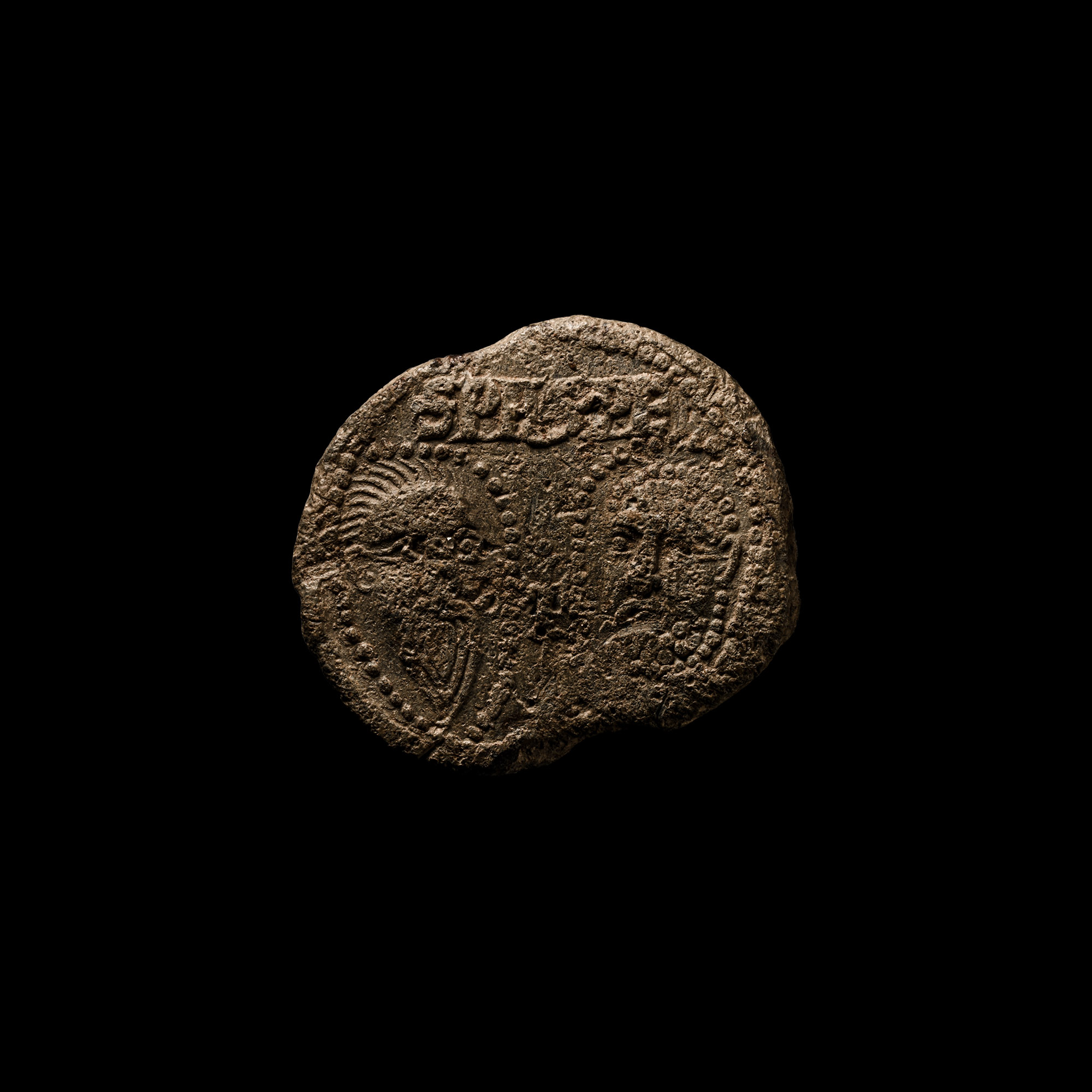
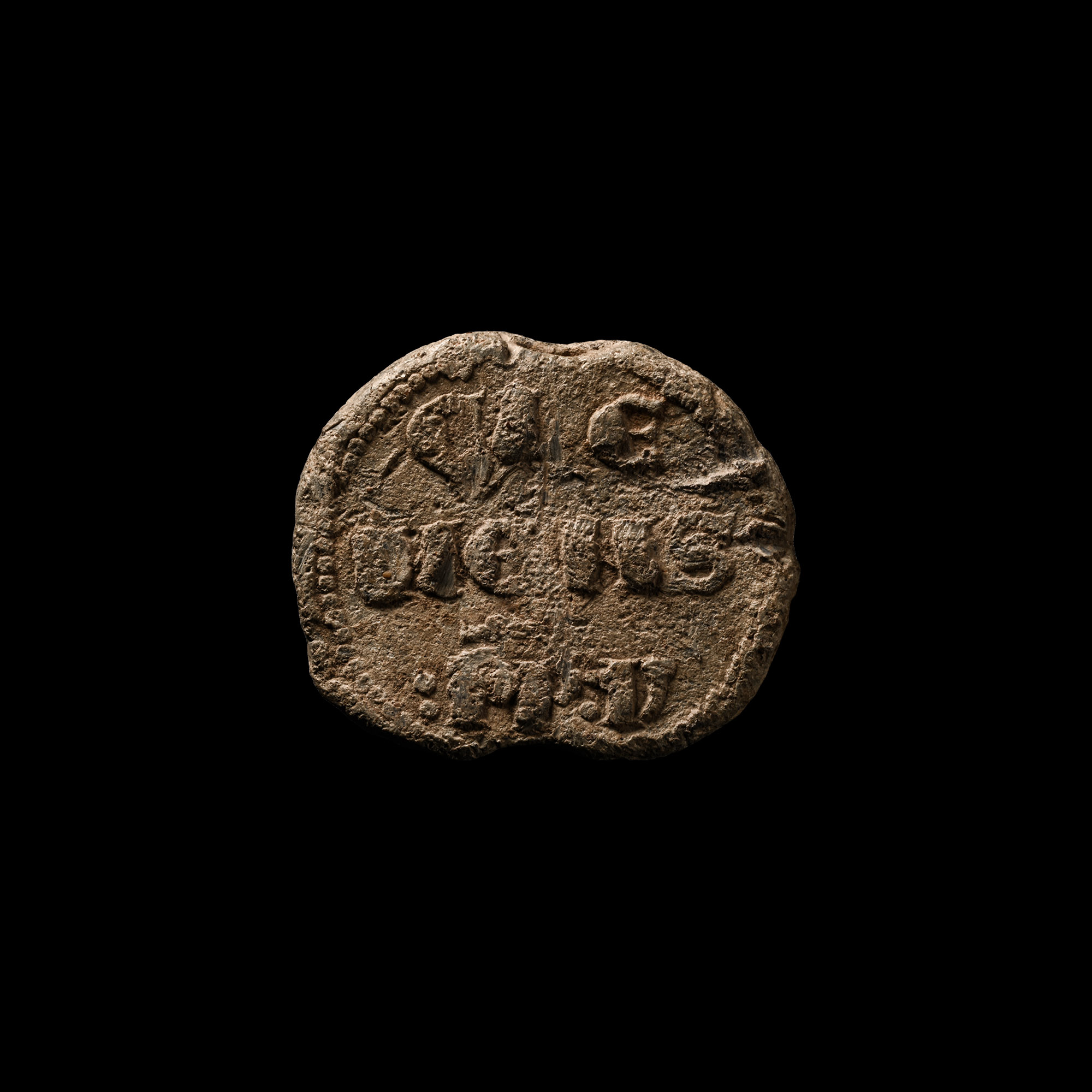
Medieval Clement V Papal Lead Bulla Seal
1305-1314 A.D.
1 1/2 in. (42 grams, 38 mm).
Obverse: 'CLE / MENS / PP . V' (Pastor Pastorum or shepherd of shepherds) over three lines; reverse: the facing and nimbate heads of saints Peter and Paul, possible crozier between, beneath 'SPASPE' (St. Peter and St. Paul). [No Reserve]
ProvenanceAcquired on the UK market, 1990s.
Property of a retired academic.
TimeLine Auctions follows a vetting process to ensure the authenticity and legality of all items, reinforcing our commitment to integrity and responsible trading. Each antiquity, antique, and coin lot undergoes thorough examination by a vetting committee of at least ten external specialists, professional trade association members, scientists, and archaeologists: Our Vetting Process
AUCTIONS:
TimeLine is a leading auction house specialising in antiquities, ancient art, collectables, natural history, coins, medals, and books. Our auctions offer museums, collectors, historians, and enthusiasts the opportunity to acquire unique and historically significant pieces.
-
Medieval Silver-Gilt Fitting Group
14th-15th century A.D.Sold for (Inc. bp): £52
Comprising: a lozengiform fitting with raised foliage and central rose, possibly a junction; remains of a buckle with a rose and slender scrolling ornament to the plate; remains of a ring brooch ornamented with pellets and possible animal heads; openwork plate formed as a head or skull between scrolling foliage, bar below and loop above. 11.6 grams total, 13-20 mm
Acquired on the UK market, 1990s. Property of a retired academic. -
Medieval Iron Folding Knife Group
Circa 13th-15th century A.D.Sold for (Inc. bp): £65
Including blades and handles of various types and dates, some with decorative elements. 1.29 kg total, 5-22 cm
Acquired 1990s-early 2000s. East Anglian private collection.
The folding knives are distinguished by the absence of a tang, which sometimes can be replaced by a thumb piece. Usually there is a hole piercing the blade for the pivot to fasten the blade to the handle. -
.jpg)
Medieval Limestone Finial with Scenes from the Nativity
12th-13th century A.D.Sold for (Inc. bp): £3,900
An architectural structural element, carved in two pieces: the upper section formed as a tulip with rounded base, the Nativity scene depicted on all sides comprising: the Virgin and Child seated on a throne, surrounded by divine light; the three wise men bearing gifts to her right, the foremost man kneeling next to the throne; behind the wise men a scene depicting Mary resting on a bed with Joseph beside her, the Child in his cradle with a donkey and an ox looking over him bathed in divine light; the last scene representing the meeting between Mary and Saint Elizabeth; the square base with spandrels. 812 grams total, 70-78 mm
Acquired in the early 2000s. Ex Norfolk, UK, collection. Accompanied by an academic report by Dr Raffaele D’Amato. This lot has been checked against the Interpol Database of stolen works of art and is accompanied by search certificate no.11782-205862.
The treatment of the faces is similar to various English Romanesque ecclesiastical sculpture; see for example Christ in Majesty in St Andrew's Church in Bugthorpe or a loose corbel from the St Bees Priory Church of Saint Mary and Saint Bega (Cumbria).
