
Loading, please wait...
LOT 1122
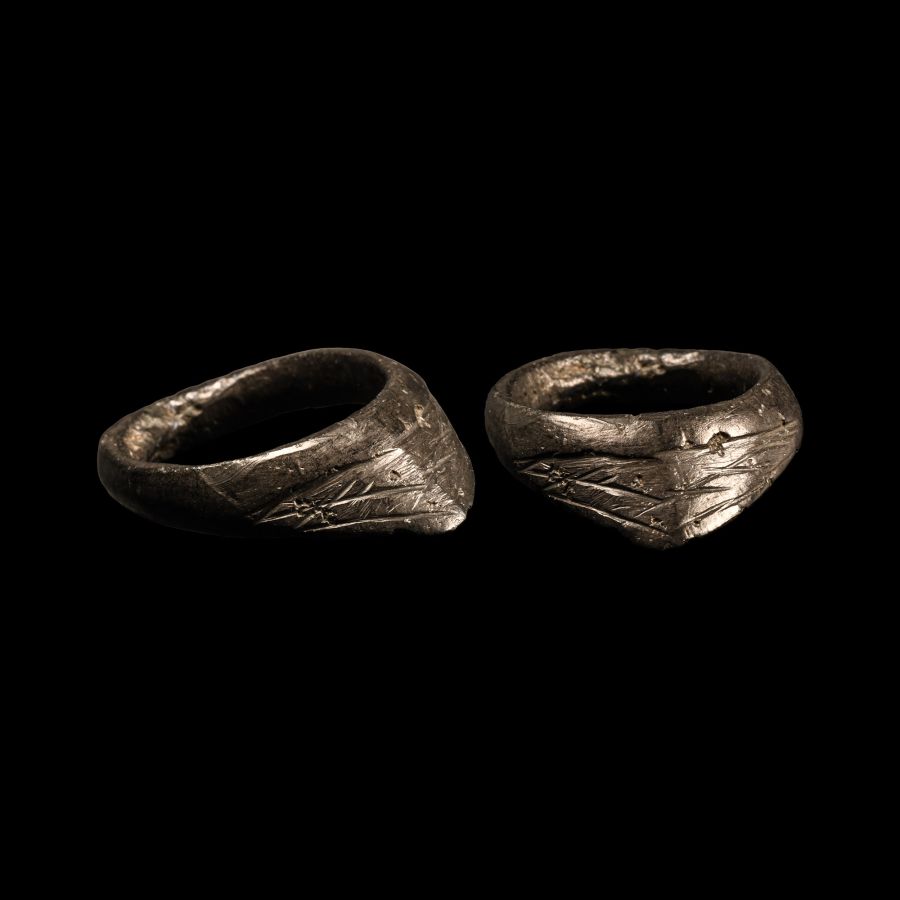
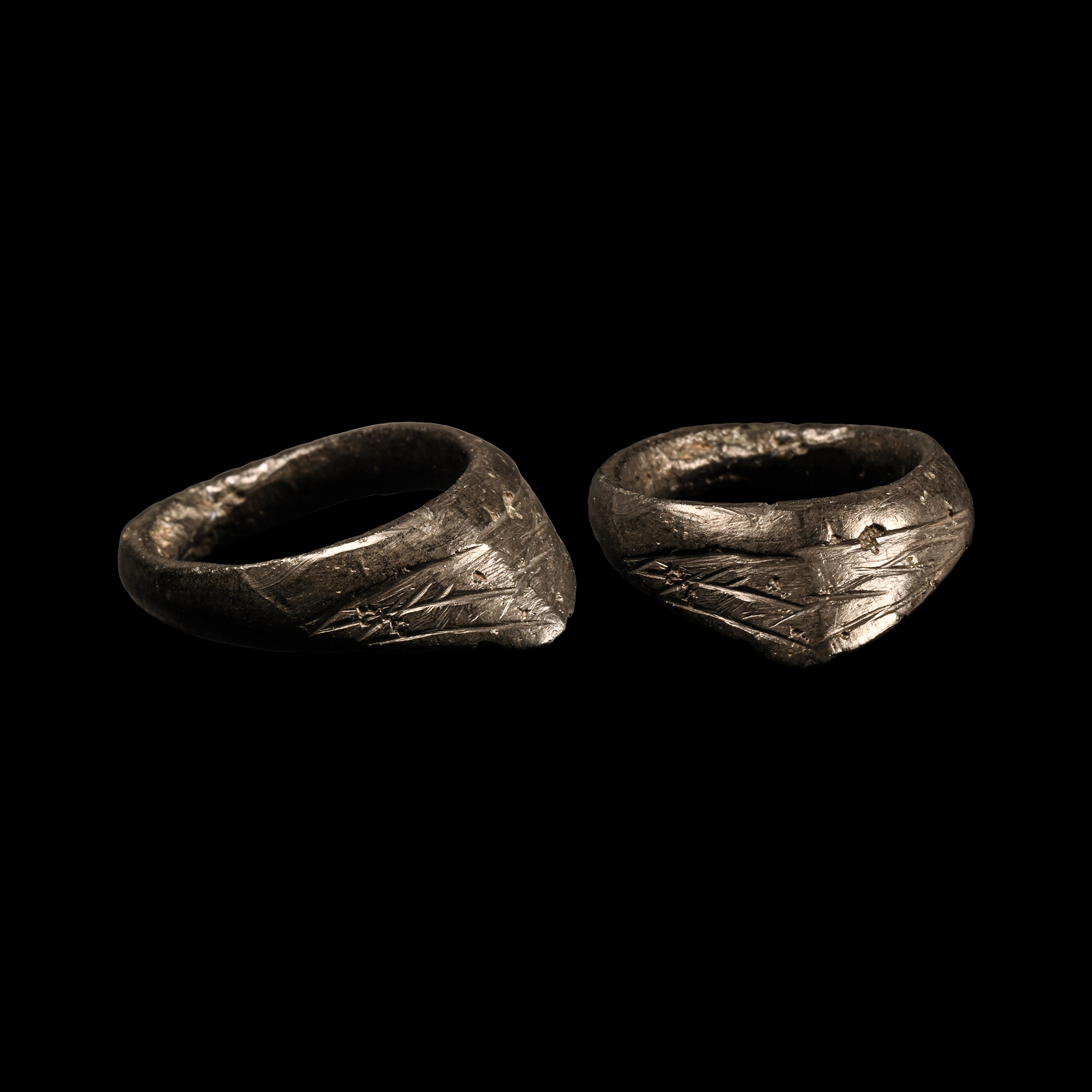
Medieval Child's Bronze Archer's Ring
14TH-16TH CENTURY A.D.
1 in. (3.19 grams, 23.87 mm overall, 14.01 mm internal diameter (approximate size British F 1/2, USA 3, Europe 4.3, Japan 4)).
Displaying incised dashed lines to the bezel. [No Reserve]
ProvenancePrivate collection formed since the 1940s.
UK art market.
Property of an Essex gentleman.
TimeLine Auctions follows a vetting process to ensure the authenticity and legality of all items, reinforcing our commitment to integrity and responsible trading. Each antiquity, antique, and coin lot undergoes thorough examination by a vetting committee of at least ten external specialists, professional trade association members, scientists, and archaeologists: Our Vetting Process
AUCTIONS:
TimeLine is a leading auction house specialising in antiquities, ancient art, collectables, natural history, coins, medals, and books. Our auctions offer museums, collectors, historians, and enthusiasts the opportunity to acquire unique and historically significant pieces.
-
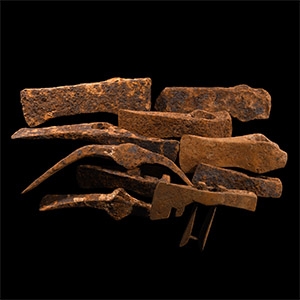
Viking Age and Later Iron Axehead Group
10th-18th century A.D.Estimate: £200 - 300 (+bp*)
Opening Bid: £88
Mainly comprising socketted axeheads and adzes, together with other items; including at least one stamped with maker's marks. 9.5 kg total, 14.5-28.5 cm
Acquired 1990s-early 2000s. East Anglian private collection. -
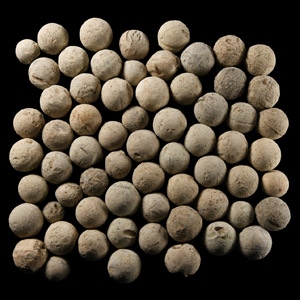
Post Medieval Lead Musket Ball Group
Circa 17th-18th century A.D.Sold for (Inc. bp): £9
Comprising examples with seams and of varying sizes. 1.8 kg total, 11-19 mm
Found Berkshire, UK. -
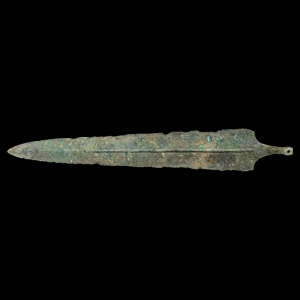
Luristan Bronze Spearhead Blade
2nd-1st millennium B.C.Sold for (Inc. bp): £117
With a short tang and long blade, raised midrib, a rivet to the base. 254 grams, 33 cm
Acquired 1980-2015. Ex Abelita family collection.
The spearhead belongs to type 2 according to the classification of Khorasani. A similar specimen was excavated by Negahban in Marlik.
