
Loading, please wait...
LOT 1895
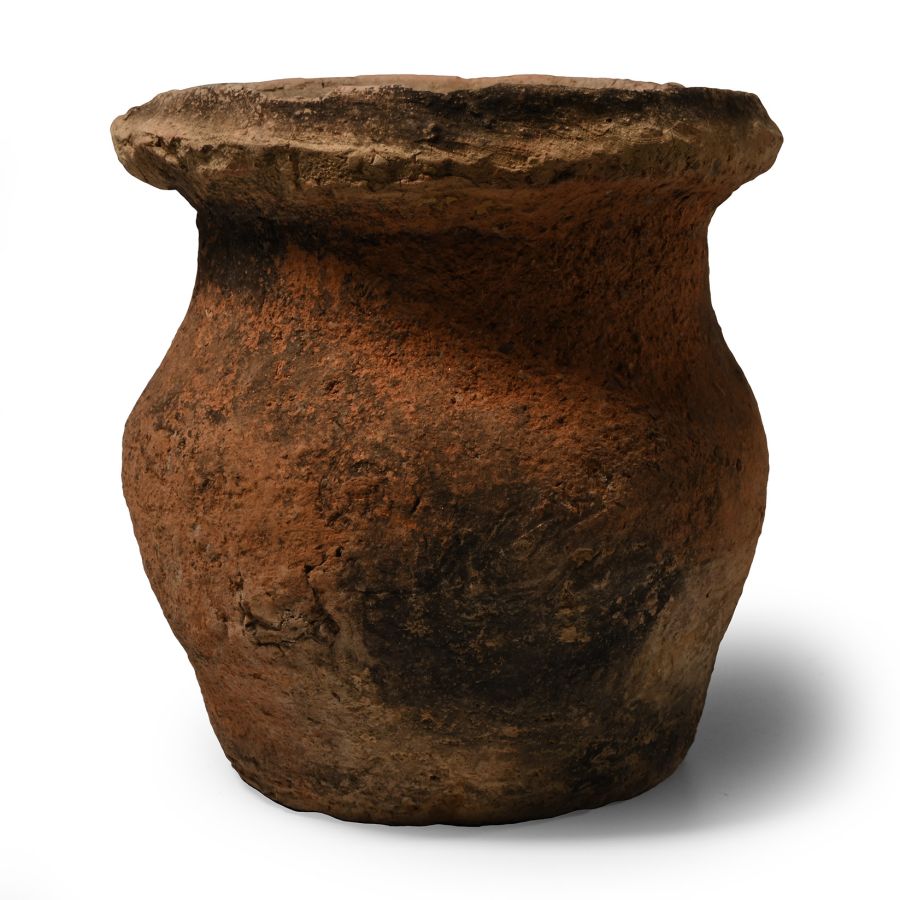
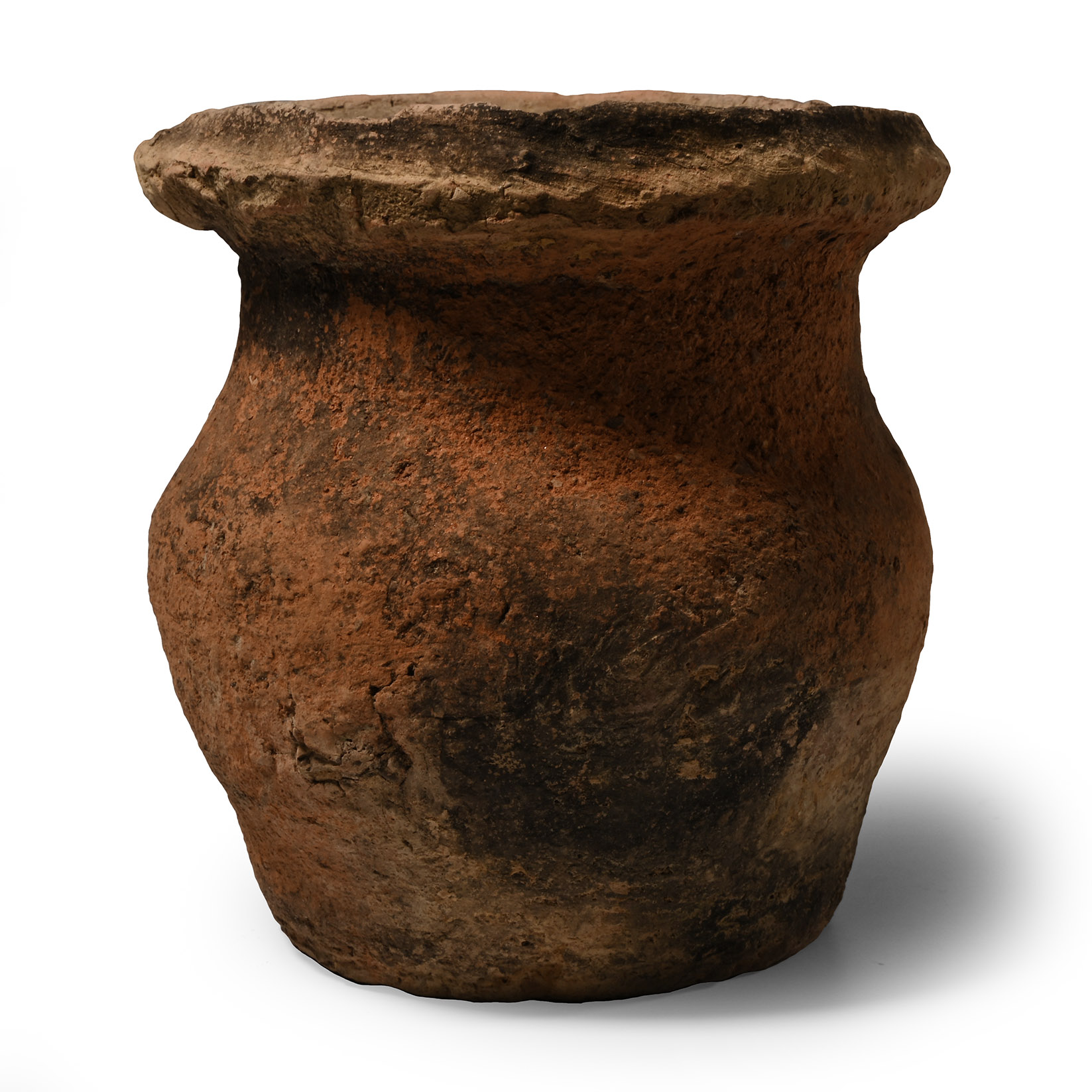
Medieval Ceramic Cooking Pot
11TH-15TH CENTURY A.D.
4 3/4 in. (590 grams, 12 cm).
Comprising concave base, shallow shoulder, and a thick chamfered rim. [No Reserve]
ProvenanceAcquired in 1950s-1960s.
From the collection of an East London gentleman; by inheritance.
TimeLine Auctions follows a vetting process to ensure the authenticity and legality of all items, reinforcing our commitment to integrity and responsible trading. Each antiquity, antique, and coin lot undergoes thorough examination by a vetting committee of at least ten external specialists, professional trade association members, scientists, and archaeologists: Our Vetting Process
AUCTIONS:
TimeLine is a leading auction house specialising in antiquities, ancient art, collectables, natural history, coins, medals, and books. Our auctions offer museums, collectors, historians, and enthusiasts the opportunity to acquire unique and historically significant pieces.
-
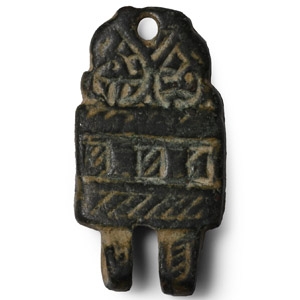
Medieval Hinged Tag
14th-15th century A.D.Sold for (Inc. bp): £33
Tongue-shaped in plan with two hinge knuckles to the upper edge, incised geometric patterns to obverse. 4.2 grams, 23 mm
From the collection of a gentleman, acquired on the London art market in the 1990s. -
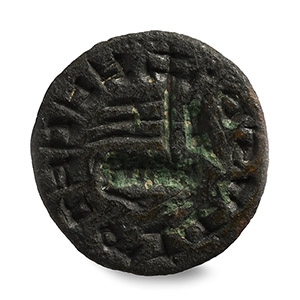
Medieval Bronze Seal Matrix with Lamb of God
12th-14th century A.D.Sold for (Inc. bp): £39
Chessman type matrix with central agnus dei motif and surrounding legend 'Ecce Agnus D[ei]' (here is the lamb of God'). 5.08 grams, 23 mm
Acquired from TimeLine Originals, Essex, UK, in 2004. Ex Stocker collection, Kent, UK, 1955-early 2000s. Accompanied by a copy of the on line listing. -
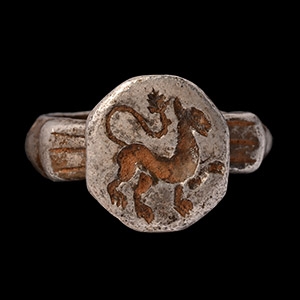
Medieval Silver Ring with Lion
14th-15th century A.D.Sold for (Inc. bp): £260
D-section hoop with raised ornamental band; scooped shoulders with trumpet-shaped bezel, intaglio lion passant motif. 8.93 grams, 26.71 mm overall, 16.90 mm internal diameter (approximate size British N, USA 6 1/2, Europe 13.72, Japan 13)
Acquired on the London art market in the late 1980s-1990s. From the family collection of an East London, UK, gentleman.
