
Loading, please wait...
LOT 1870
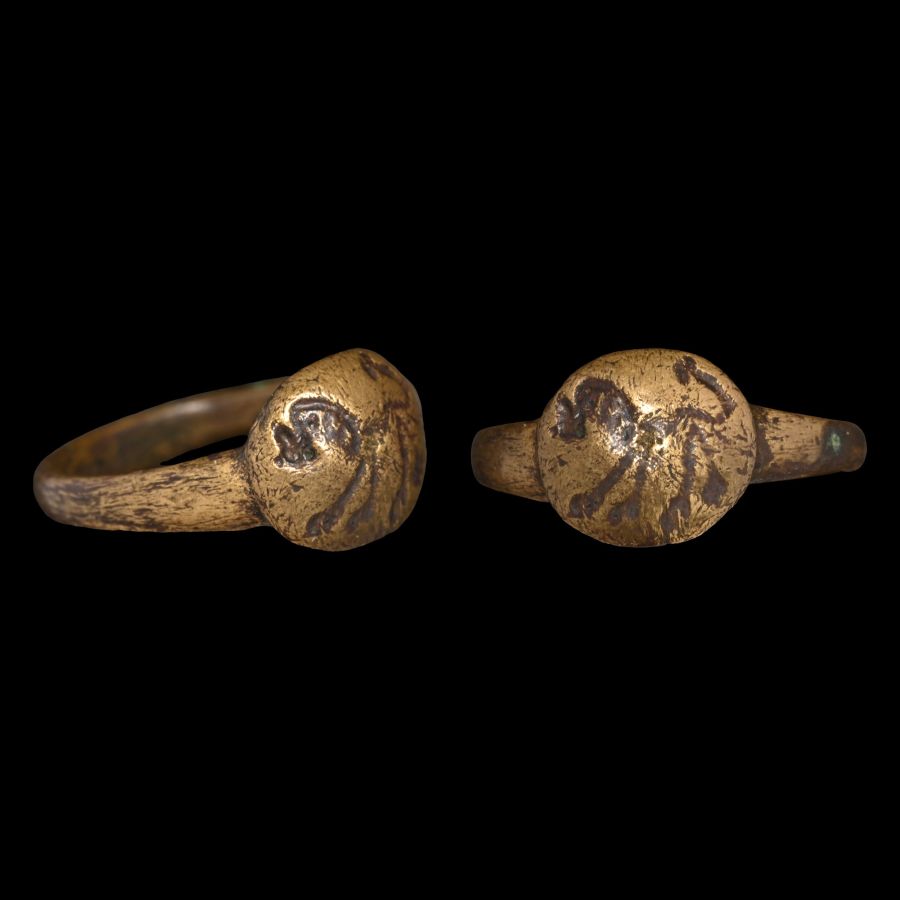
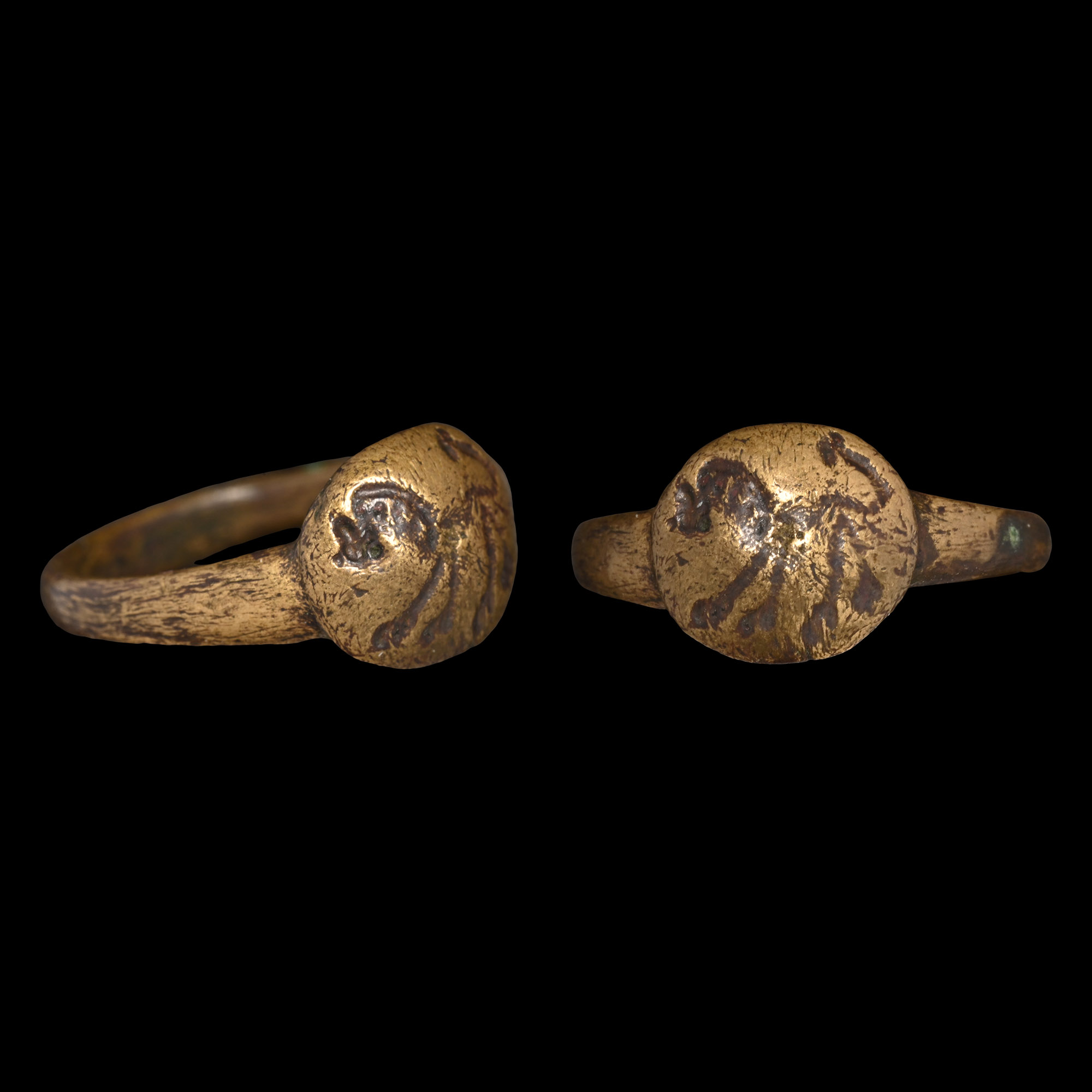
Medieval Bronze Ring with Standing Lion
CIRCA 14TH-15TH CENTURY A.D.
7/8 in. (3.27 grams, 22.14 mm overall, 17.46 mm internal diameter (approximate size British N 1/2, USA 6 3/4, Europe 14.35, Japan 13)).
Comprising a D-section hoop and a domed, circular bezel with a stylised lion. [No Reserve]
ProvenanceFrom the private collection of a European gentleman (1942-2024), formed since the 1970s.
CONDITIONTimeLine Auctions follows a vetting process to ensure the authenticity and legality of all items, reinforcing our commitment to integrity and responsible trading. Each antiquity, antique, and coin lot undergoes thorough examination by a vetting committee of at least ten external specialists, professional trade association members, scientists, and archaeologists: Our Vetting Process
AUCTIONS:
TimeLine is a leading auction house specialising in antiquities, ancient art, collectables, natural history, coins, medals, and books. Our auctions offer museums, collectors, historians, and enthusiasts the opportunity to acquire unique and historically significant pieces.
-
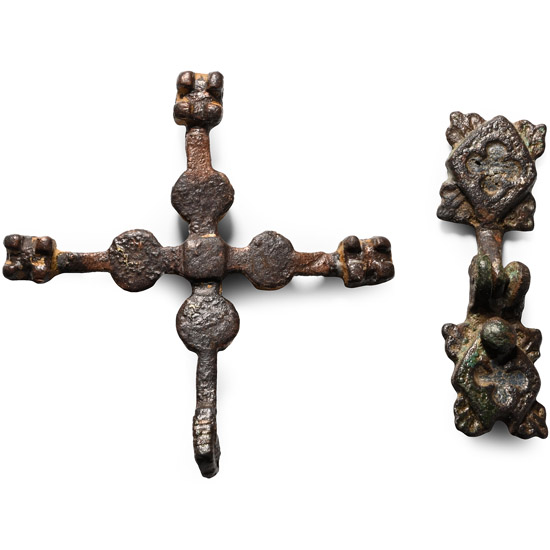
Medieval Knight's Enamelled Bronze Heraldic Horse Harness Pendant Group
Circa 13th-15th century A.D.Sold for (Inc. bp): £59
Comprising a cross-shaped pendant with a turreted extension on three arms; a rectangular pendant with a quatrefoil within a lozenge with a hinged plaque bearing the same motif above. 24.49 grams total, 44-54 mm
Found Suffolk, UK. Property of a Suffolk, UK, gentleman. -
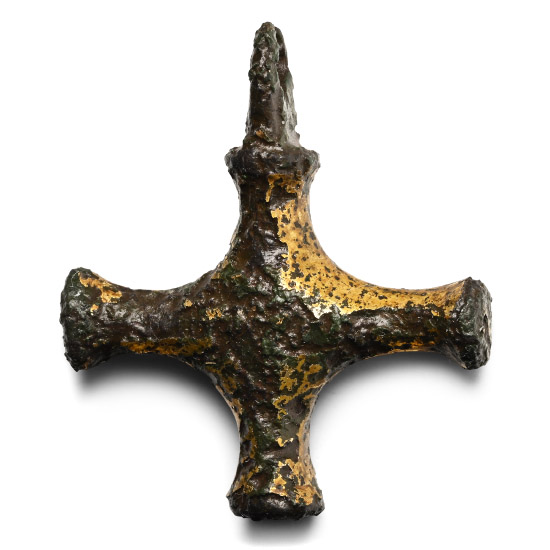
Medieval Gilt Bronze Cross Pendant
England, 1100-1300 A.D.Sold for (Inc. bp): £33
Formed as four radiating round-section arms with disc finials; integral loop above. 8.19 grams, 30 mm
Found Wilden, Bedfordshire, UK. Recorded with UKDFD no.54759. -
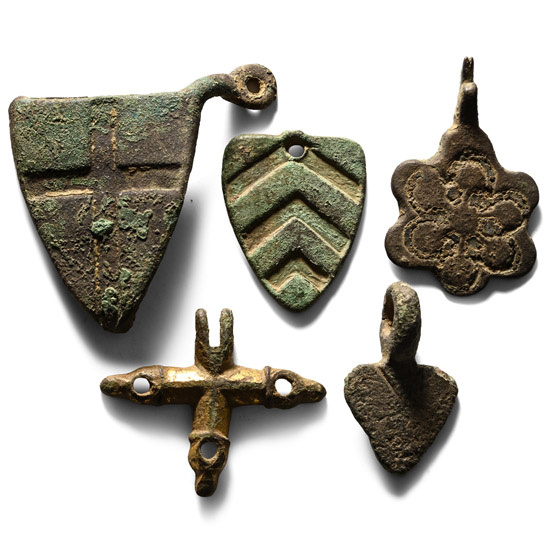
Medieval Knight's Bronze Heraldic Horse Harness Pendant Group
Circa 13th-15th century A.D.Sold for (Inc. bp): £91
Comprising: two shield-shaped pendants, a gilt pendant hanger, one a six-petalled pendant, and a triangular pendant with a large suspension loop. 31.2 grams total, 28-40 mm
Found Suffolk, UK.
