
Loading, please wait...
LOT 1659
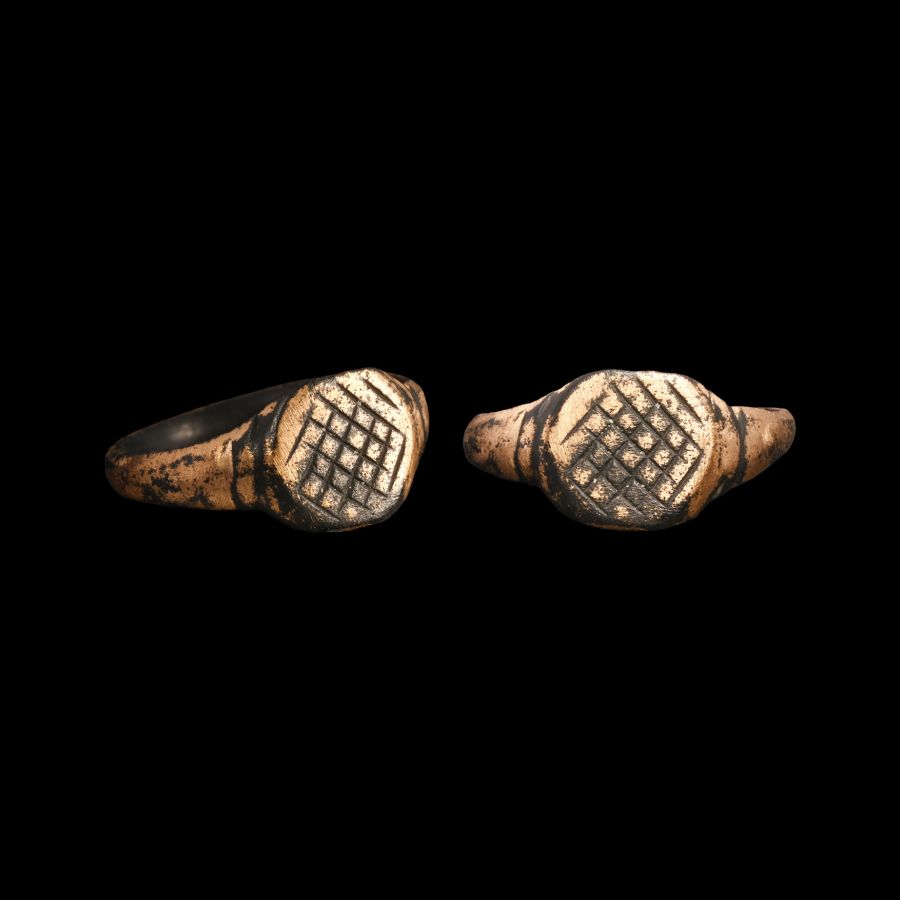
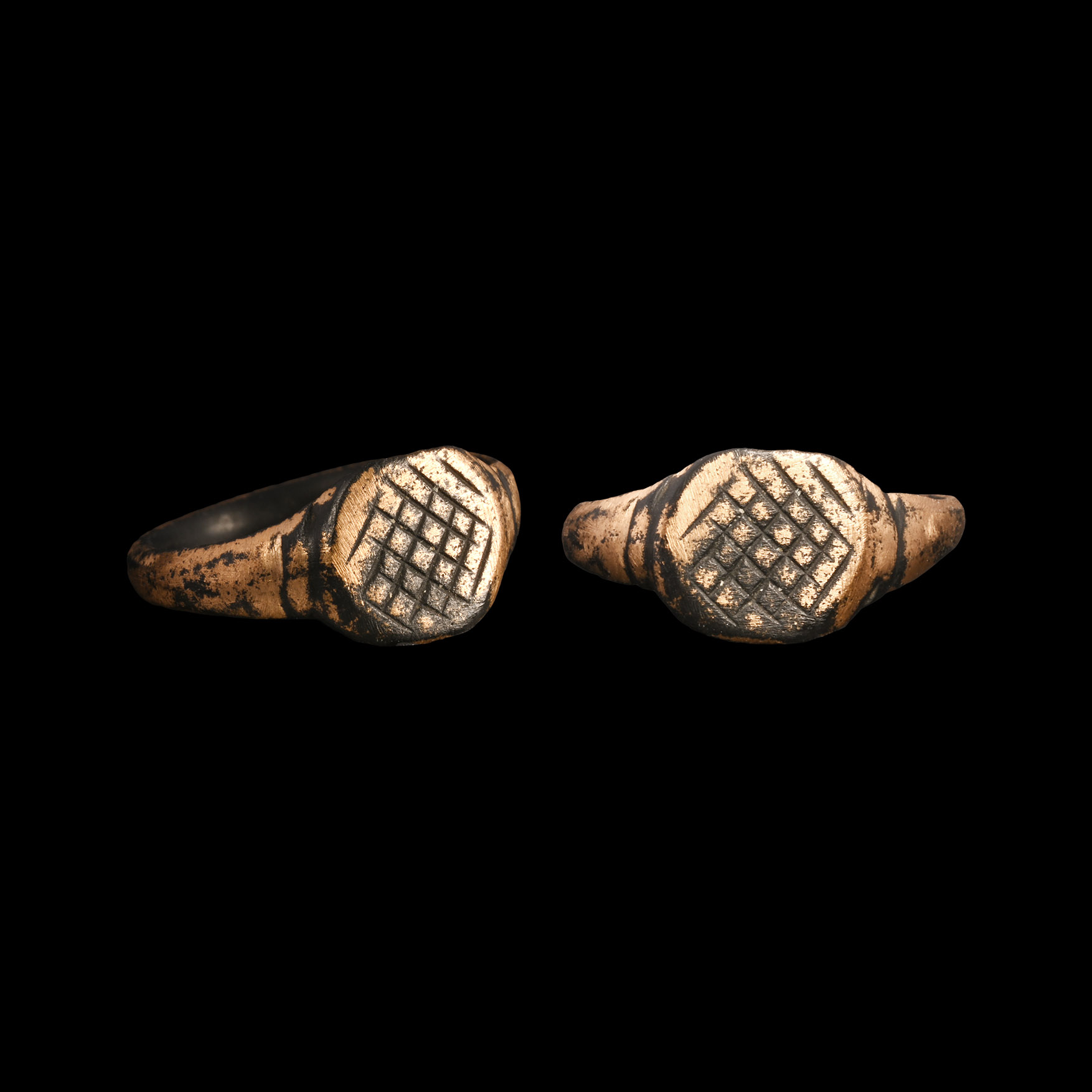
Medieval Bronze Ring with Hatched Bezel
CIRCA 15TH-16TH CENTURY A.D.
3/4 in. (2.60 grams, 20.87 mm overall, 17.95 mm internal diameter (approximate size British O 1/2, USA 7 1/4, Europe 15.61, Japan 15)).
With bands to the shoulders and hatching on the bezel. [No Reserve]
ProvenanceAcquired 1970s-1980s.
From the private collection of an Essex, UK, gentleman.
Ex private Merseyside, UK, collection.
Cf. Chadour, A.B., Rings. The Alice and Louis Koch Collection, volume I, Leeds, 1994, item 617, for type.
CONDITIONTimeLine Auctions follows a vetting process to ensure the authenticity and legality of all items, reinforcing our commitment to integrity and responsible trading. Each antiquity, antique, and coin lot undergoes thorough examination by a vetting committee of at least ten external specialists, professional trade association members, scientists, and archaeologists: Our Vetting Process
AUCTIONS:
TimeLine is a leading auction house specialising in antiquities, ancient art, collectables, natural history, coins, medals, and books. Our auctions offer museums, collectors, historians, and enthusiasts the opportunity to acquire unique and historically significant pieces.
-
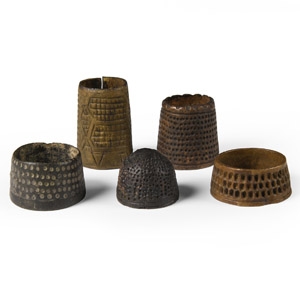
Medieval and Later 'Thames' Thimble Collection
Circa 15th-17th century A.D.Sold for (Inc. bp): £46
Comprising ring-type thimbles and a domed top thimble, four with dimples, one notched around the top edge; one 17th century ornate thimble with hatched strapwork design, enigmatic incised inscription around the bottom edge. 26 grams total, 16-23 mm
Found Billingsgate spoil from the Thames foreshore, London, UK. -
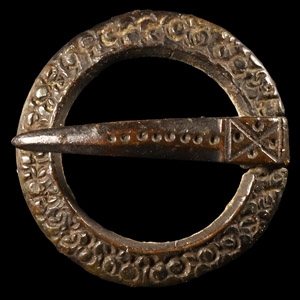
Medieval 'Thames' Bronze Ring Brooch
Circa 15th century A.D.Sold for (Inc. bp): £65
Complete with articulate tongue, chamfered circular body with punched ornament, X-motif and pellets to the tongue. 1.85 grams, 17 mm
Found Billingsgate spoil from the Thames foreshore, London, UK. -
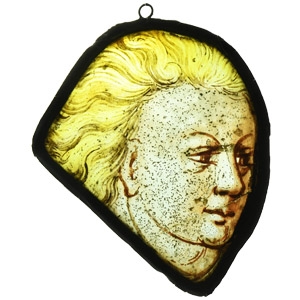
Medieval Stained Glass Panel with Head of a Boy
France, early 16th century A.D.Sold for (Inc. bp): £494
Irregular, with lead came frame and suspension loop; amber-coloured glass with sepia portrait of a fair-haired youth. 106 grams, 12.5 cm
Galerie de Chartres, 2009. Ex central London gallery.
