
Loading, please wait...
LOT 2227
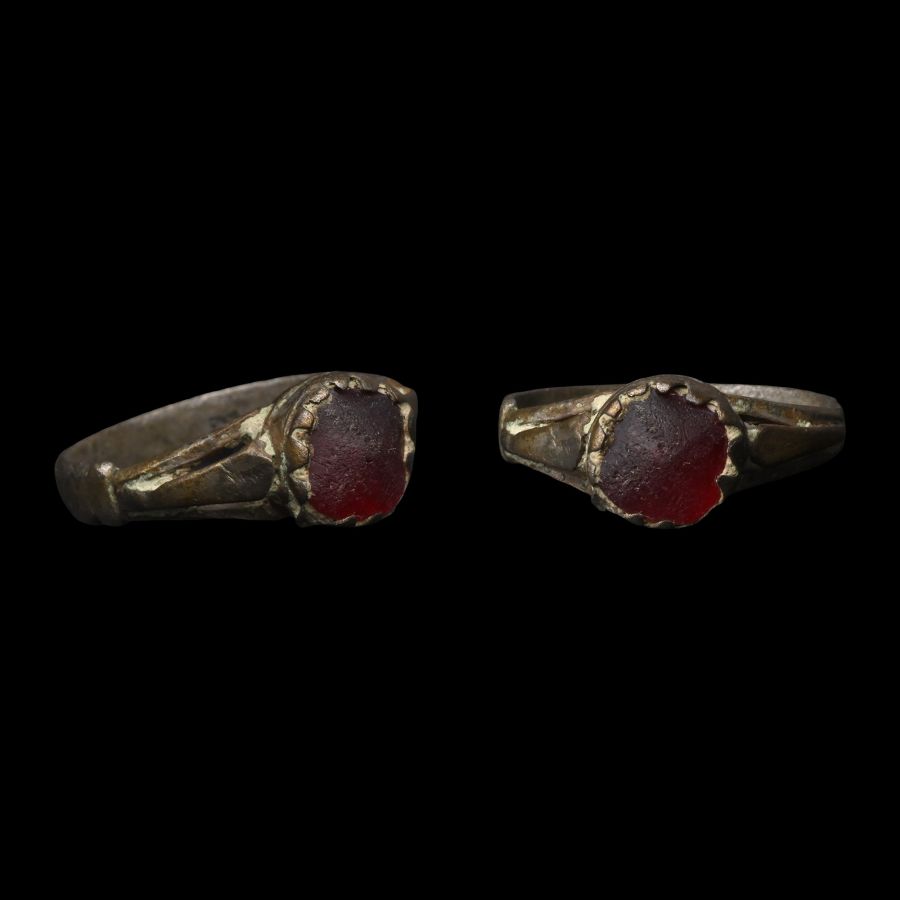
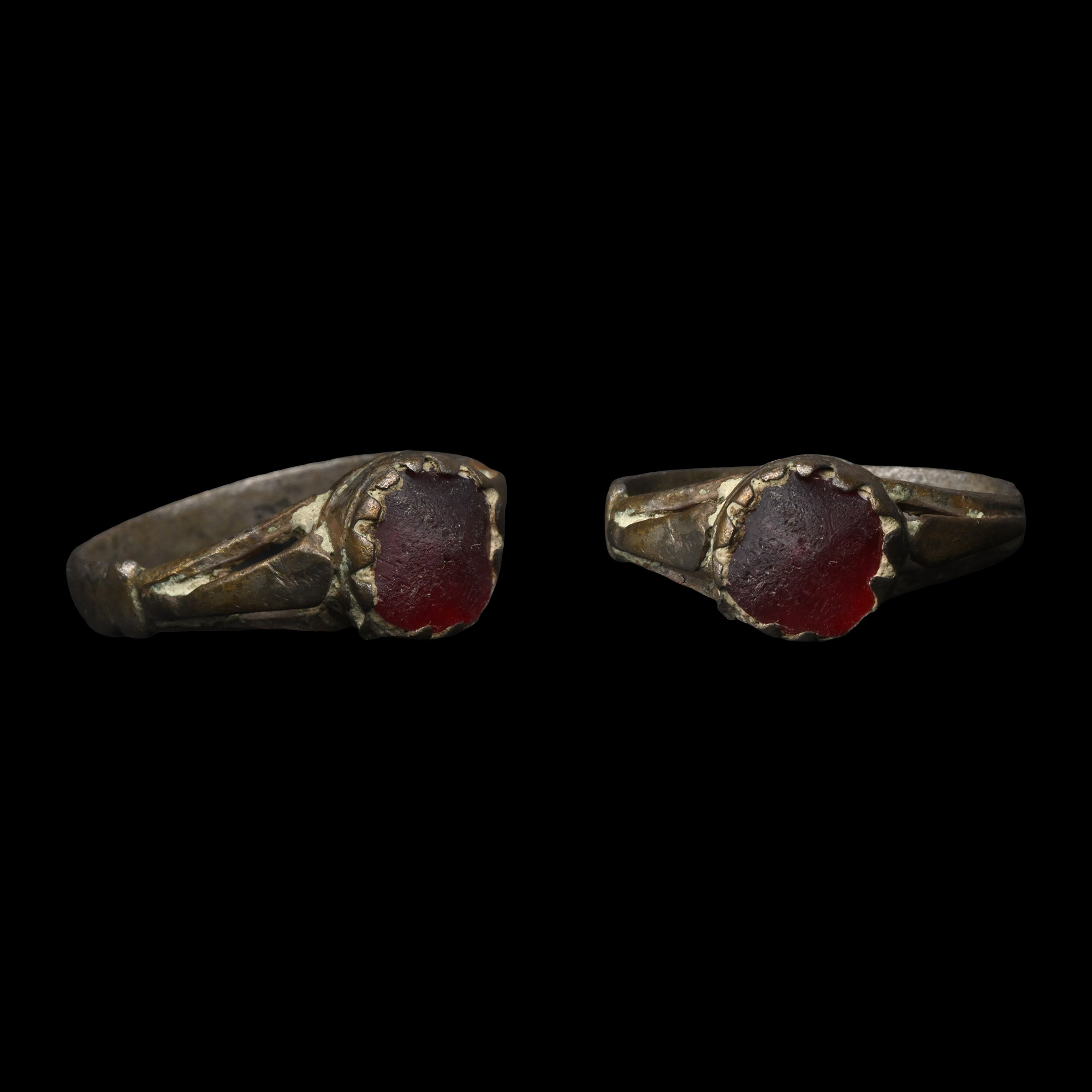
Medieval Bronze Ring with Glass Cabochon
CIRCA 15TH-16TH CENTURY A.D.
1 in. (3.70 grams, 27.31 mm overall, 19.54 mm internal diameter (approximate size British R 1/2, USA 8 3/4, Europe 19.38, Japan 18)).
With hatching to the outer face, openwork strapping to each shoulder supporting a discoid bezel with inset glass cabochon. [No Reserve]
ProvenanceFrom an old English collection, Bournemouth, UK.
Ex Parthenon Gallery, London, UK, 2001.
Property of a North London, UK, private collector.
TimeLine Auctions follows a vetting process to ensure the authenticity and legality of all items, reinforcing our commitment to integrity and responsible trading. Each antiquity, antique, and coin lot undergoes thorough examination by a vetting committee of at least ten external specialists, professional trade association members, scientists, and archaeologists: Our Vetting Process
AUCTIONS:
TimeLine is a leading auction house specialising in antiquities, ancient art, collectables, natural history, coins, medals, and books. Our auctions offer museums, collectors, historians, and enthusiasts the opportunity to acquire unique and historically significant pieces.
-
.jpg)
Medieval Pewter 'Our Lady of Willesden' Pilgrim's Badge
Circa 15th-16th century A.D.Sold for (Inc. bp): £13
Fragment with beaded rim and low-relief crowned mother and child motif. 1.63 grams, 23 mm
From a retired Lincolnshire, UK, gentleman's collection, a long time member of the Pewter Society. -
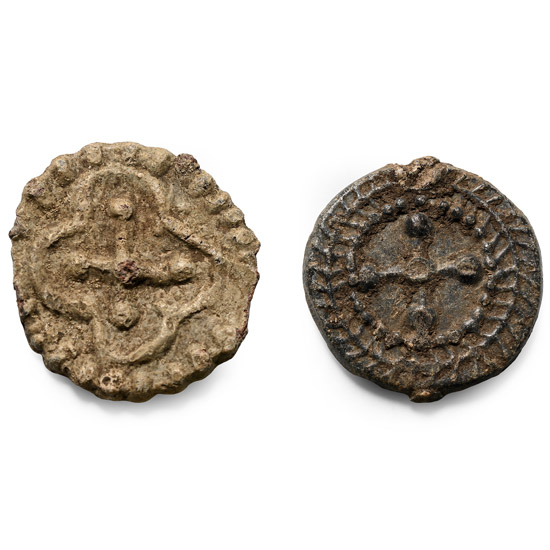
Medieval Pewter Pilgrim's Badge
Circa 14th-15th century A.D.Sold for (Inc. bp): £13
Comprising: disc with herringbone border, cross pommy to centre; disc with beaded border, voided cross with cross pommy to centre. 8.03 grams total, 19 - 21 mm
From a retired Lincolnshire, UK, gentleman's collection, a long time member of the Pewter Society. -
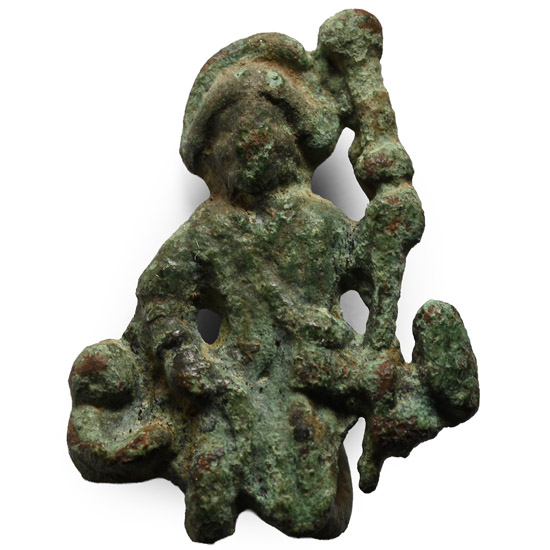
Medieval Pewter Saint Christopher Pilgrim's Badge
Circa 14th-15th century A.D.Sold for (Inc. bp): £26
Standing figure with staff in one hand, child at his side; attachment loop to reverse. 1.93 grams, 20 mm
From a retired Lincolnshire, UK, gentleman's collection, a long time member of the Pewter Society.
