
Loading, please wait...
LOT 1995
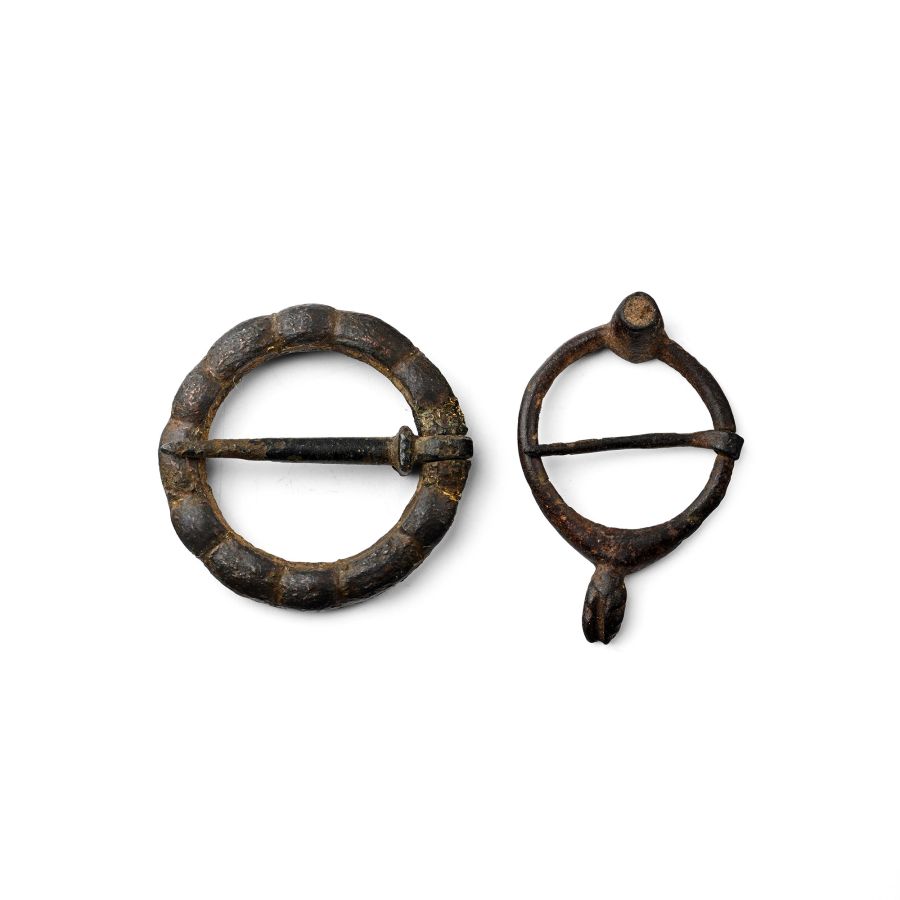
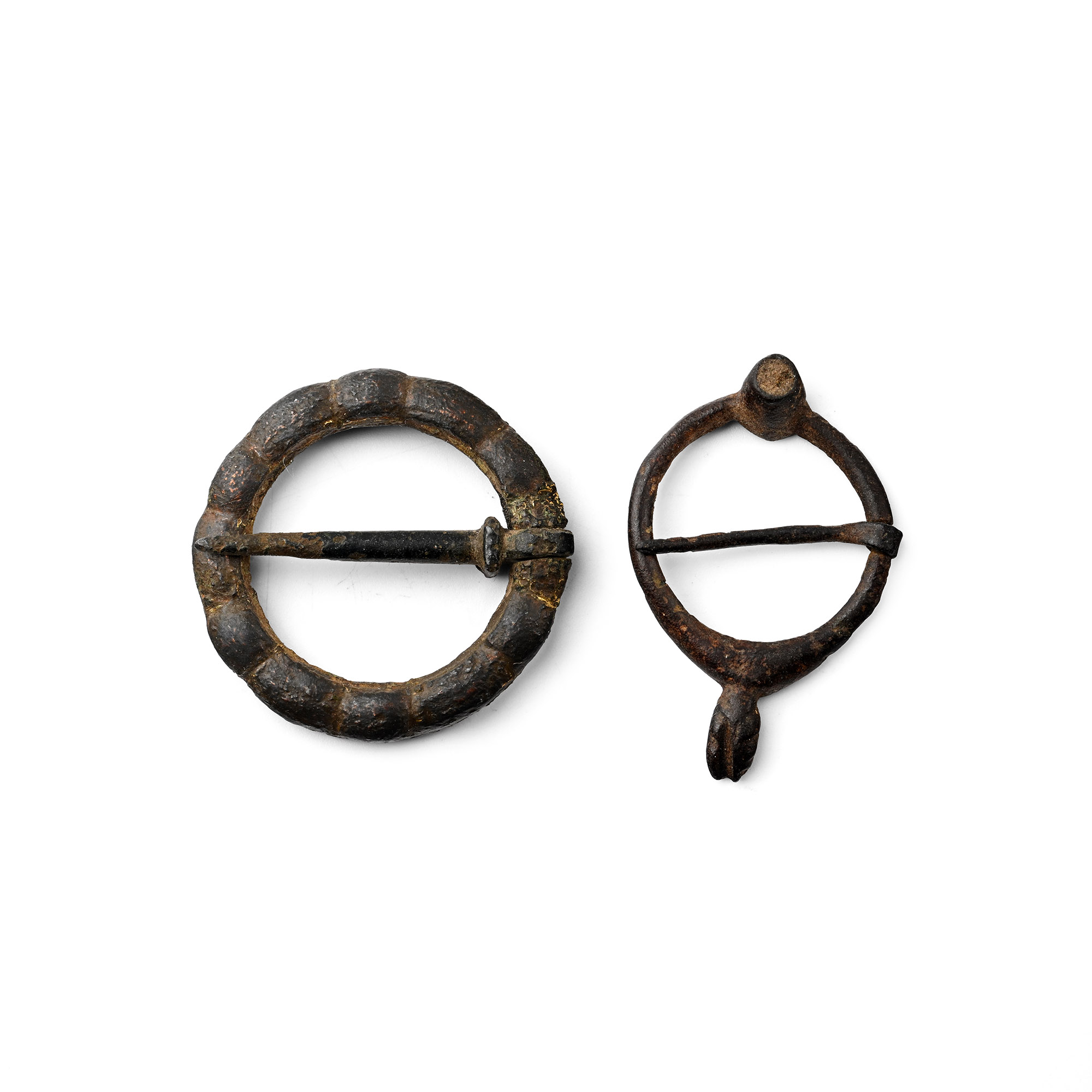
Medieval Bronze Ring Brooch Group
14TH-16TH CENTURY AD.
1 - 1 1/4 in. (7.84 grams total, 27-30 mm).
Comprising: one with slender hoop, hollow stud to rear and rosebud spur; the other with segmented hoop and sword-shaped pin. [2, No Reserve]
ProvenanceProperty of a gentleman; acquired in the 1970s.
This lot is accompanied by an illustrated lot declaration signed by the Head of the Antiquities Department, Dr Raffaele D'Amato.
TimeLine Auctions follows a vetting process to ensure the authenticity and legality of all items, reinforcing our commitment to integrity and responsible trading. Each antiquity, antique, and coin lot undergoes thorough examination by a vetting committee of at least ten external specialists, professional trade association members, scientists, and archaeologists: Our Vetting Process
AUCTIONS:
TimeLine is a leading auction house specialising in antiquities, ancient art, collectables, natural history, coins, medals, and books. Our auctions offer museums, collectors, historians, and enthusiasts the opportunity to acquire unique and historically significant pieces.
-
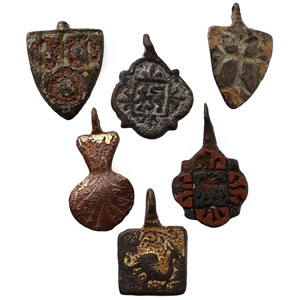
Medieval Knight's Bronze Heraldic Horse Harness Pendant Group
14th-15th century A.D.Sold for (Inc. bp): £130
Including heater-shaped with cross, square with a beast and remains of gilding, quatrefoil with lion passant on a square field with fleur-de-lys to each side; and others, some with enamel detailing. 24.8 grams total, 26-31 mm
Found East Anglia, UK. This lot is accompanied by an illustrated lot declaration signed by the Head of the Antiquities Department, Dr Raffaele D'Amato. -
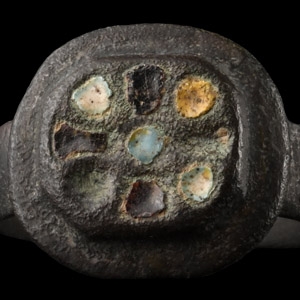
Medieval Enamelled Bronze Ring with Cross
14th-16th century A.D.Sold for (Inc. bp): £26
With discoid stepped bezel, enamelled cruciform design with pellets in the spandrels. 5.58 grams, 21.59 mm overall, 19.08 mm internal diameter (approximate size British P 1/2, USA 7 3/4, Europe 16.86, Japan 16)
Ex German art market, 2000s. Acquired from an EU collector living in London. From the collection of a Surrey, UK, gentleman. This lot is accompanied by an illustrated lot declaration signed by the Head of the Antiquities Department, Dr Raffaele D'Amato. -
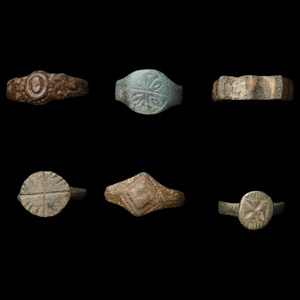
Medieval and Later Bronze Ring Group
15th-18th century A.D.Sold for (Inc. bp): £104
Including: stepped bezel with flanges, rosette bezel with flanking foliage and other types. 16.9 grams total, 19-25 mm
Acquired on the London art market in the late 1980s-1990s. From the family collection of an East London, UK, gentleman. This lot is accompanied by an illustrated lot declaration signed by the Head of the Antiquities Department, Dr Raffaele D'Amato.
