
Loading, please wait...
LOT 1792
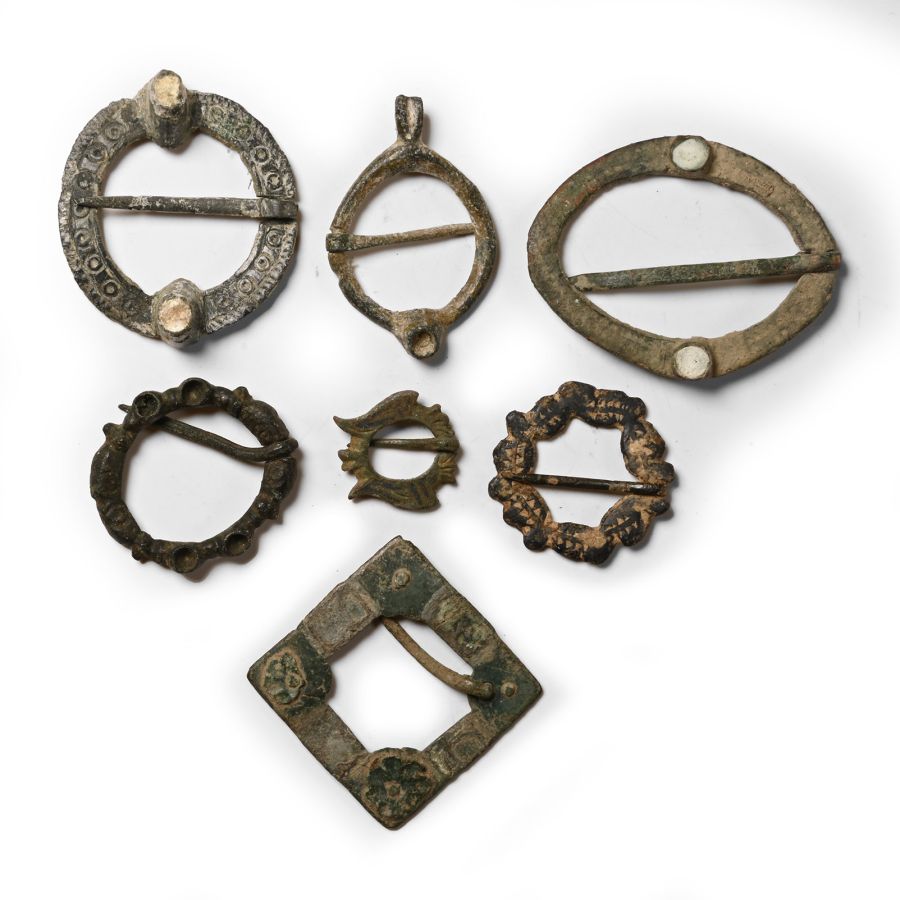
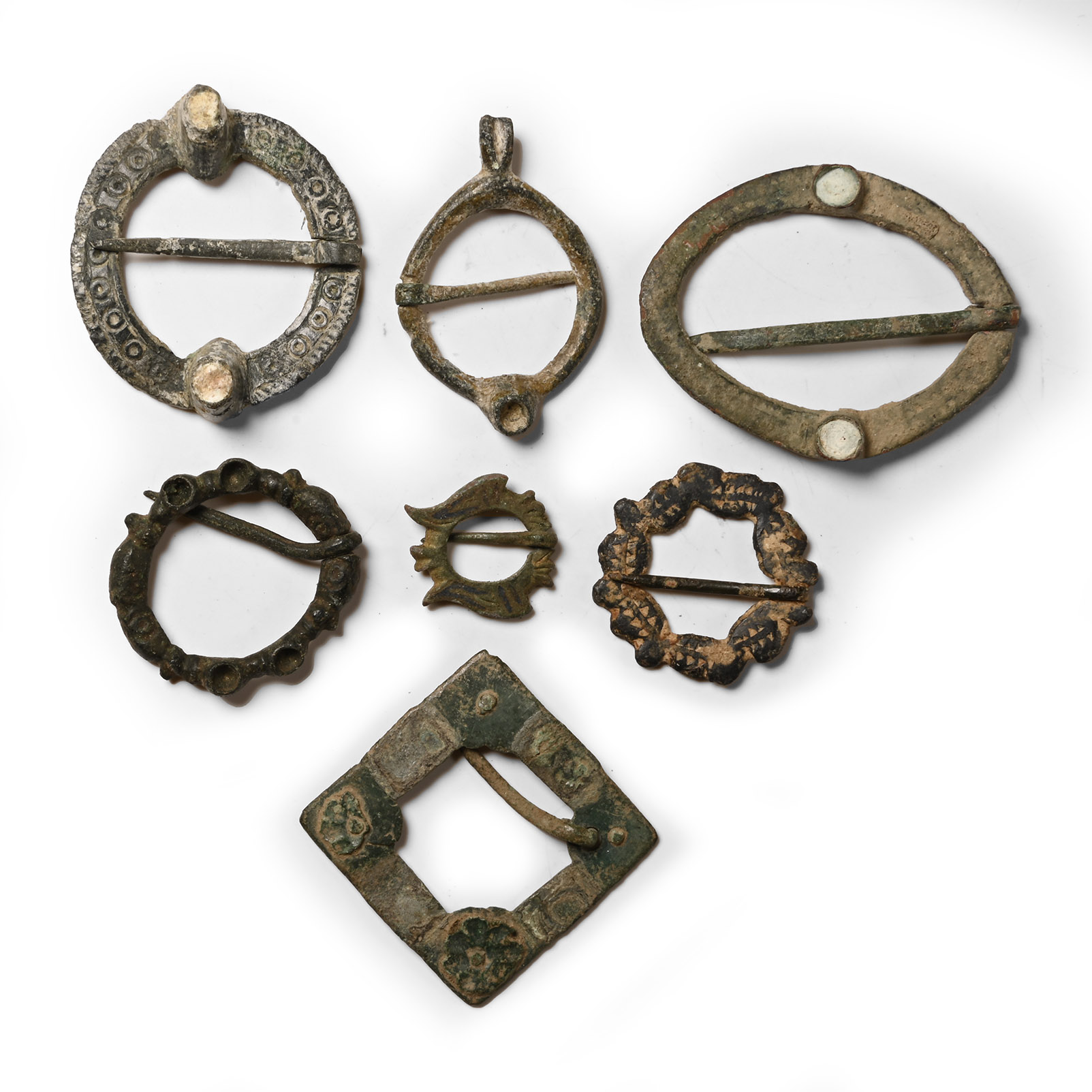
Medieval Bronze Ring Brooch Collection
13TH-15TH CENTURY A.D.
1/2 - 1 3/8 in. (19.8 grams total, 14-36 mm).
Including circular, lozengiform and scaphoid types some with cell mounts, pin, etc. [7, No Reserve]
ProvenanceAcquired on the European art market since the early 2000s.
From the private Northern Ireland collection of R.M.
TimeLine Auctions follows a vetting process to ensure the authenticity and legality of all items, reinforcing our commitment to integrity and responsible trading. Each antiquity, antique, and coin lot undergoes thorough examination by a vetting committee of at least ten external specialists, professional trade association members, scientists, and archaeologists: Our Vetting Process
AUCTIONS:
TimeLine is a leading auction house specialising in antiquities, ancient art, collectables, natural history, coins, medals, and books. Our auctions offer museums, collectors, historians, and enthusiasts the opportunity to acquire unique and historically significant pieces.
-
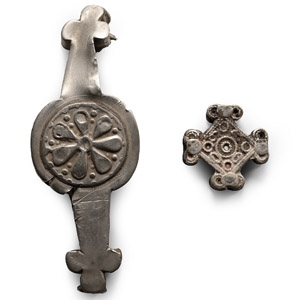
Medieval Silver Belt Mount Group
14th-16th century A.D.Sold for (Inc. bp): £39
Comprising: a strap junction formed as two lozengiform plates with lobed finial to each arm, enamel detailing; discoid plaque with rosette detailing, lateral arms with trefoil finials. 24.6 grams total, 22-75 mm
UK private collection before 2000. Acquired on the UK art market. Property of a London gentleman. -
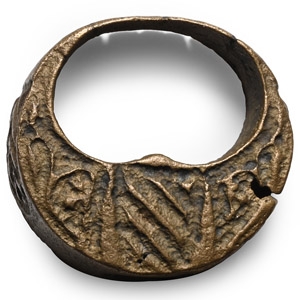
Medieval Bronze Heraldic Dagger Pommel
12th-14th century A.D.Sold for (Inc. bp): £130
Discoid with eccentric void, hollow-formed with repoussé heater shields and other ornament. 18.8 grams, 31 mm
Found on the Thames foreshore, London, UK, early 1990s. -
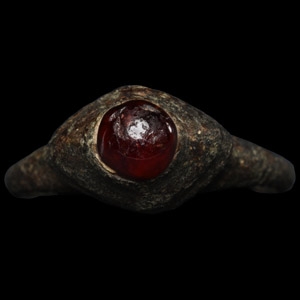
Medieval Silver Ring with Garnet
13th-15th century A.D.Sold for (Inc. bp): £52
With a slender hoop and a high lozengiform bezel set with a garnet cabochon. 4.51 grams, 28.19 mm overall, 17.07 mm internal diameter (approximate size British M 1/2, USA 6 1/4, Europe 13.09, Japan 12)
Ex German art market, 2000s. Acquired from an EU collector living in London. From the collection of Surrey, UK, gentleman.
