
Loading, please wait...
LOT 1922
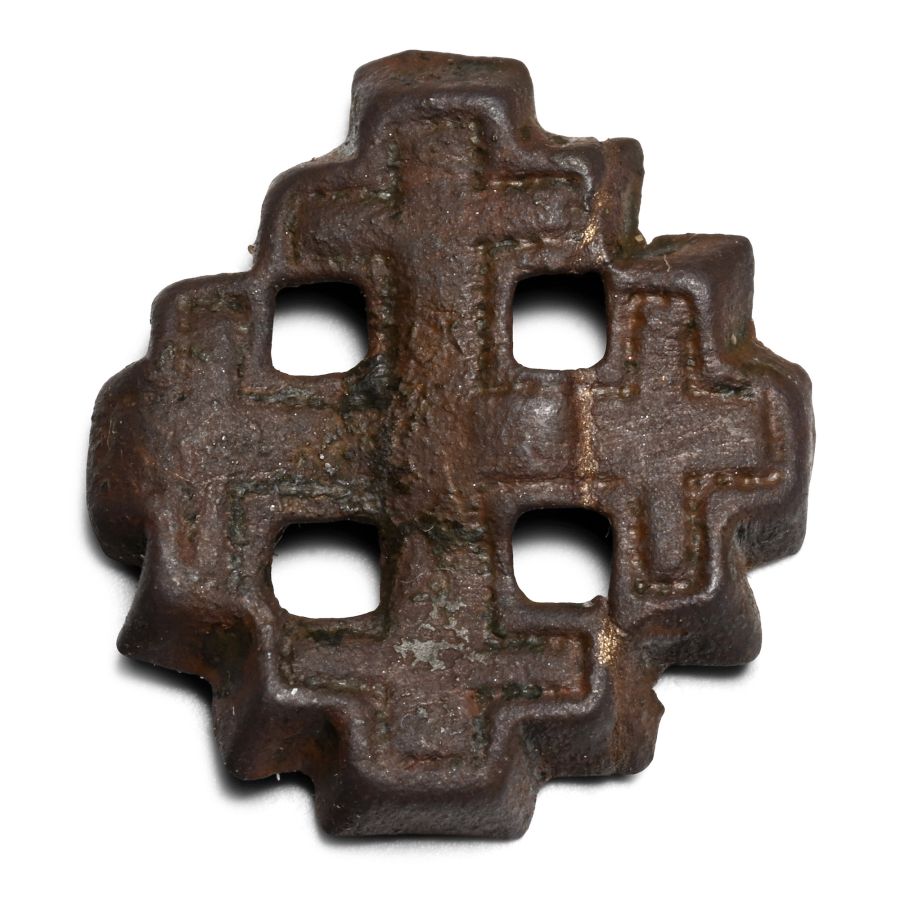
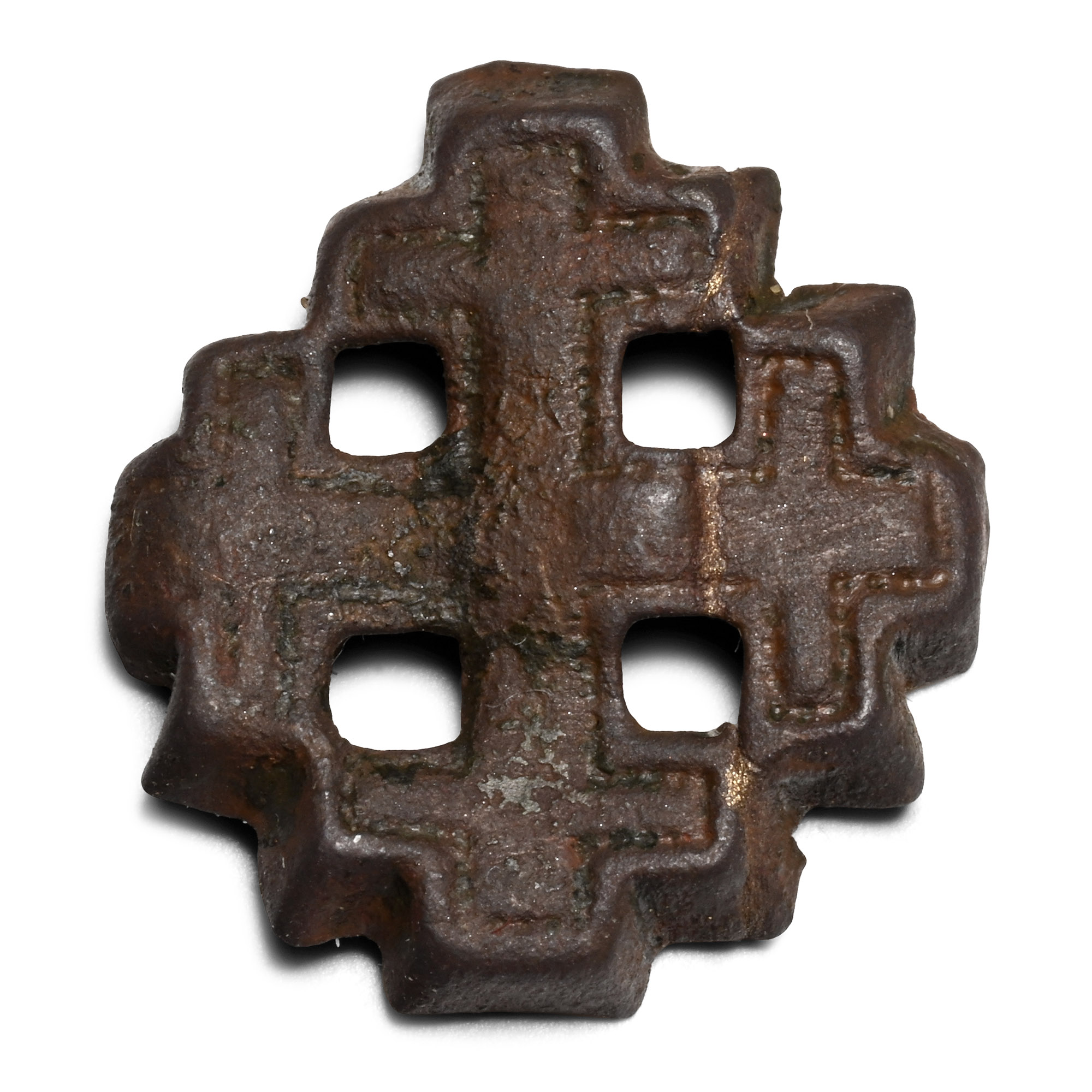
Medieval Bronze Knight's Holy Sepulchre Badge
CIRCA 13TH-14TH CENTURY A.D.
3/4 in. (0.66 grams, 19 mm).
Formed as a cross-crosslet, the symbol of the Knights of the Holy Sepulchre, with a punched-point border. [No Reserve]
ProvenanceFound Suffolk, UK.
Property of a Suffolk, UK, gentleman.
Cf. Mitchiner, M., Medieval Pilgrim & Secular Badges, London, 1986, items 939-41.
FootnotesThe 'Equestrian Order of the Holy Sepulchre of Jerusalem' was an order of knighthood under the protection of the Pope, formed around 1099 AD by Duke Godfrey of Bouillon, the leader of the First Crusade. It was established for the protection of pilgrims travelling to the Holy Land and was recognised by a Papal Bull in about 1113 AD.
CONDITIONTimeLine Auctions follows a vetting process to ensure the authenticity and legality of all items, reinforcing our commitment to integrity and responsible trading. Each antiquity, antique, and coin lot undergoes thorough examination by a vetting committee of at least ten external specialists, professional trade association members, scientists, and archaeologists: Our Vetting Process
AUCTIONS:
TimeLine is a leading auction house specialising in antiquities, ancient art, collectables, natural history, coins, medals, and books. Our auctions offer museums, collectors, historians, and enthusiasts the opportunity to acquire unique and historically significant pieces.
-
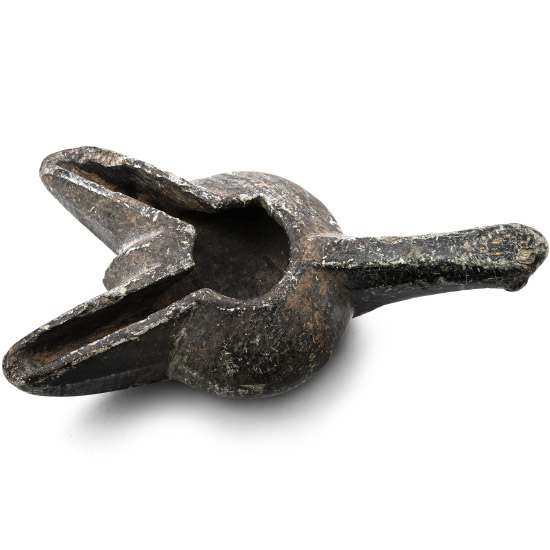
Large Medieval Stone Oil Lamp
9th-11th century A.D.Estimate: £300 - 400 (+bp*)
Opening Bid: £60
Spherical body with two U-shaped nozzles, a tapering handle to the rear. 840 grams, 21.5 cm
From an important collection of lamps, Germany, 1970s. -
.jpg)
Medieval Silver Ring Brooch
Circa 13th-14th century A.D.Sold for (Inc. bp): £26
Domed-section hoop with D-section tongue. 2.31 grams, 26.2 mm
Acquired from Essex Coin Auctions, Essex, UK. Ex Buckinghamshire, UK, collection. -
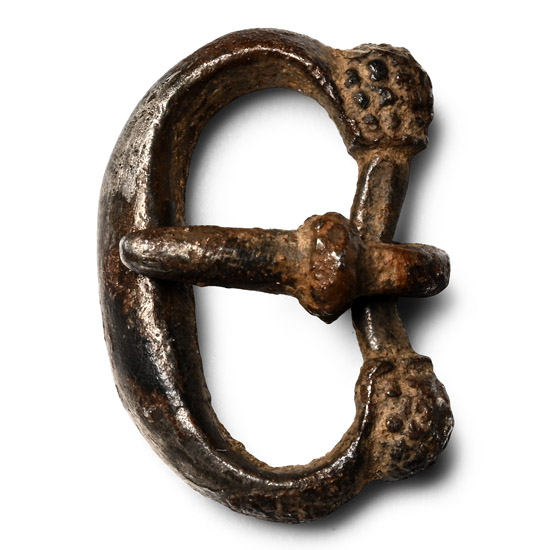
Medieval Silver Decorated Buckle
1250-1500 A.D.Sold for (Inc. bp): £26
With a D-shaped buckle frame with a narrowed and offset bar, moulded knops decorated with a series of covering raised pellets at each end of the bar; a D-section pin fitted around the bar by an open loop, with a raised circumferential collar present at the junction of the loop and shaft of the pin. 1.93 grams, 14 mm
Found by Jason Ashley whilst searching with a metal detector near Overton, Hambleton, North Yorkshire, UK, in 2025. Accompanied by a copy of the Report for H M Coroner on find of Potential Treasure with Treasure reference no.2025T1065. Accompanied by a copy of a letter from the British Museum disclaiming the Crown's interest in the find. Accompanied by a copy of the British Museum's Portable Antiquities Scheme (PAS) report no.YORYM-EF238A.
