
Loading, please wait...
LOT 1844
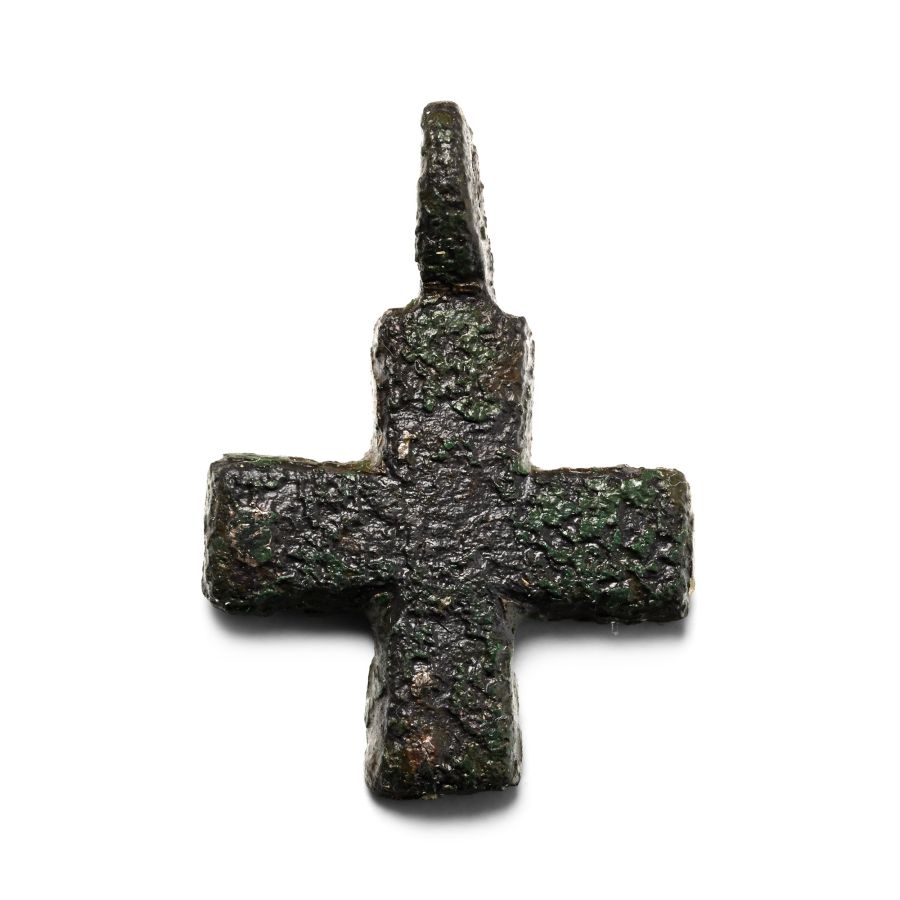
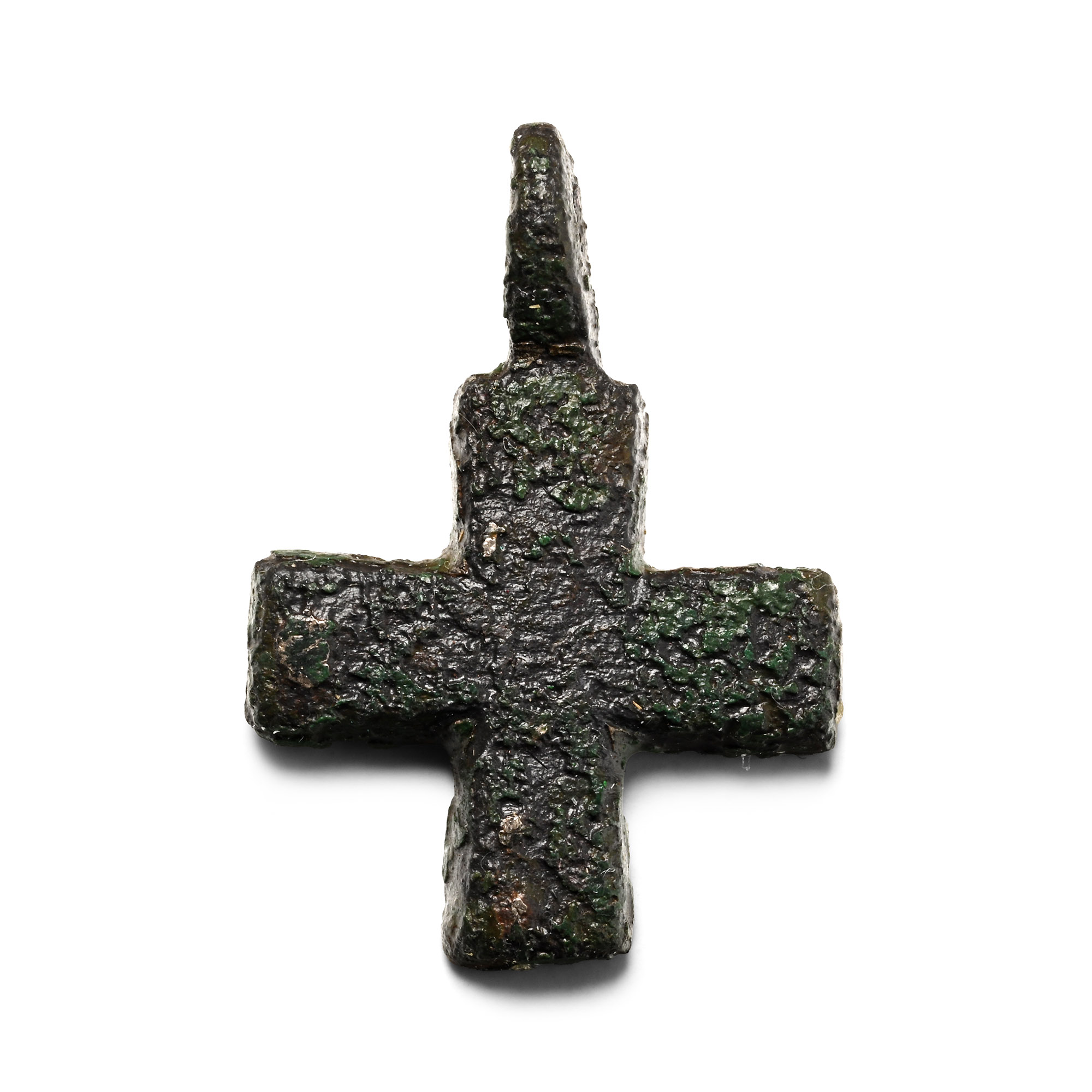
Medieval Bronze Cross Pendant
ENGLAND, 1100-1300 A.D.
1 1/8 in. (5.78 grams, 29 mm).
Rectangular-section equal-arm cross with integral pierced lug above. [No Reserve]
ProvenanceFound Brigstock, Northamptonshire, UK.
Recorded with UKDFD no.53488.
TimeLine Auctions follows a vetting process to ensure the authenticity and legality of all items, reinforcing our commitment to integrity and responsible trading. Each antiquity, antique, and coin lot undergoes thorough examination by a vetting committee of at least ten external specialists, professional trade association members, scientists, and archaeologists: Our Vetting Process
AUCTIONS:
TimeLine is a leading auction house specialising in antiquities, ancient art, collectables, natural history, coins, medals, and books. Our auctions offer museums, collectors, historians, and enthusiasts the opportunity to acquire unique and historically significant pieces.
-
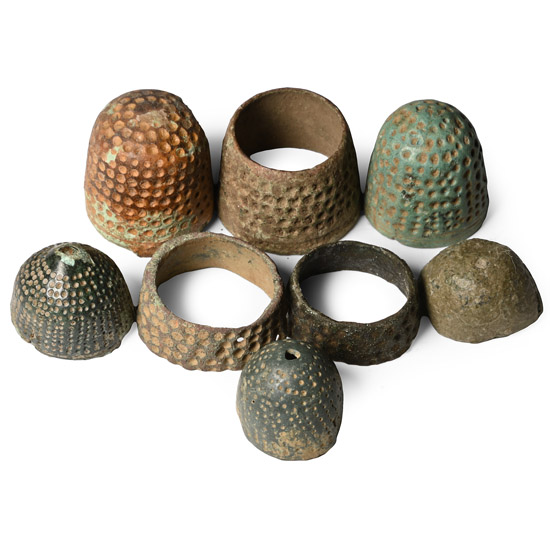
Medieval Bronze Beehive and Other Thimble Collection
Circa 14th-16th century A.D.Sold for (Inc. bp): £78
Comprising five beehive-type thimbles and three ring-type thimbles. 33 grams total, 16-22 mm
From the private collection of a Sussex, UK, gentleman. -
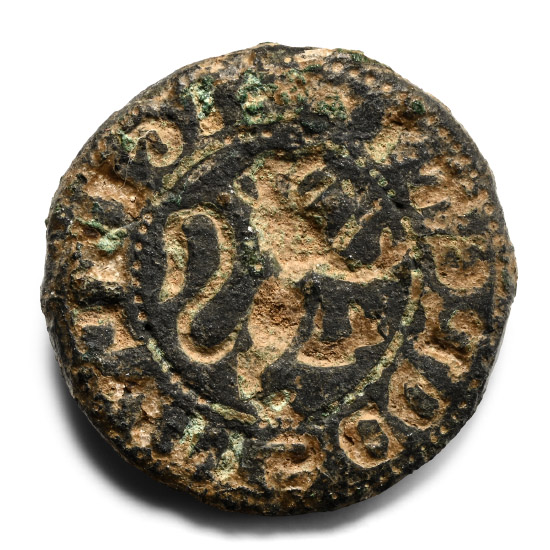
Medieval Bronze Secret Seal Matrix with Lion
England, 1300-1400 A.D.Sold for (Inc. bp): £52
Discoid type with central lion rampant inside Lombardic style inscription '+ SIGILLVM SECRETI' (Private Seal); remains of loop to reverse. 4.62 grams, 20 mm
Found Gosberton, Lincolnshire, UK. Recorded with UKDFD no.56115. -
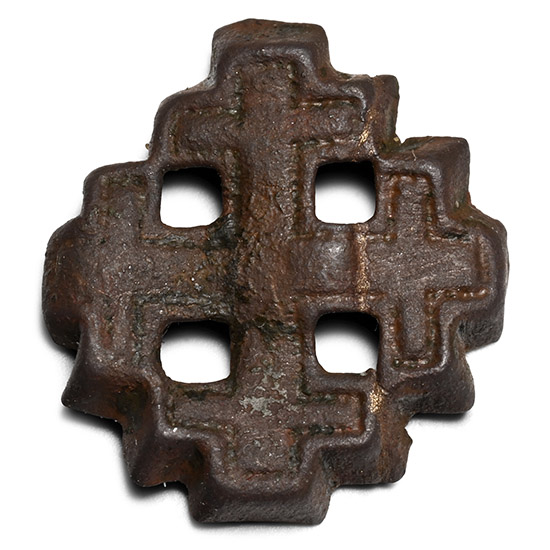
Medieval Bronze Knight's Holy Sepulchre Badge
Circa 13th-14th century A.D.Sold for (Inc. bp): £65
Formed as a cross-crosslet, the symbol of the Knights of the Holy Sepulchre, with a punched-point border. 0.66 grams, 19 mm
Found Suffolk, UK. Property of a Suffolk, UK, gentleman.
The 'Equestrian Order of the Holy Sepulchre of Jerusalem' was an order of knighthood under the protection of the Pope, formed around 1099 AD by Duke Godfrey of Bouillon, the leader of the First Crusade. It was established for the protection of pilgrims travelling to the Holy Land and was recognised by a Papal Bull in about 1113 AD.
