
Loading, please wait...
LOT 1733
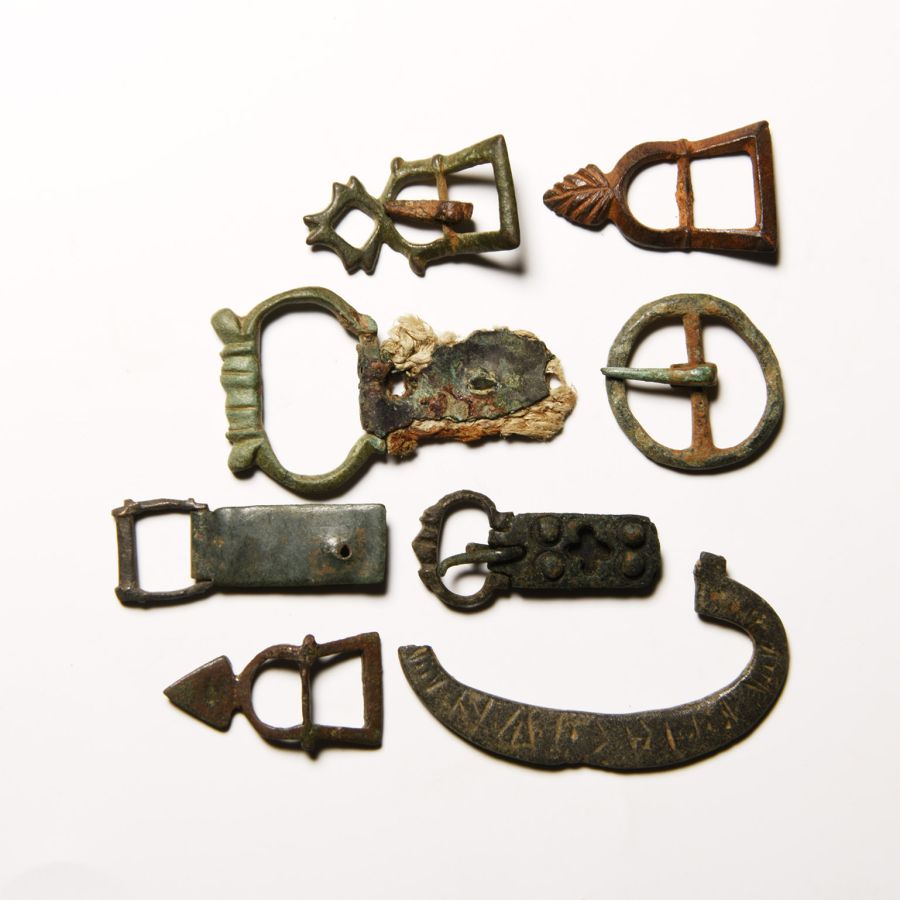
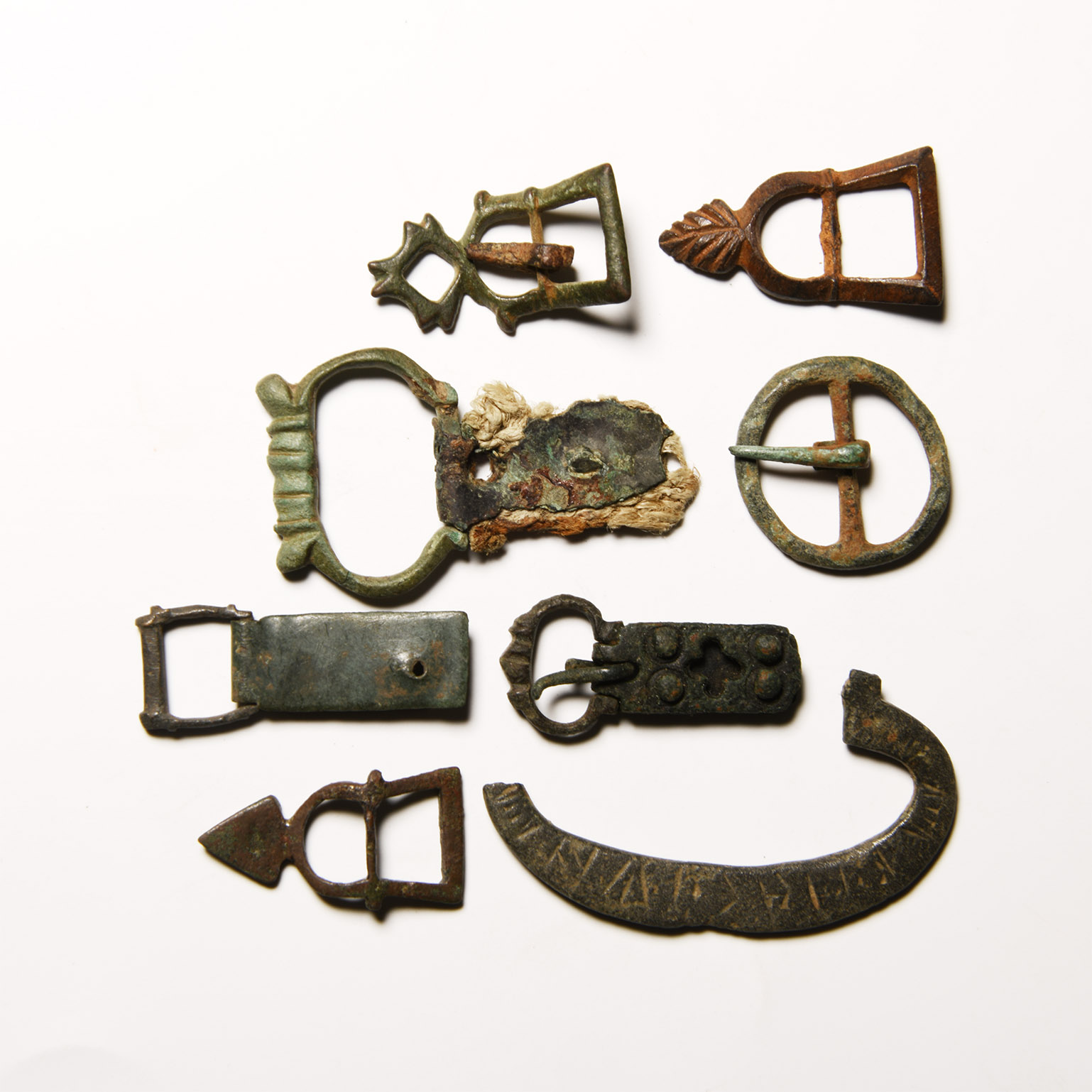
Medieval Bronze Buckle Group
14TH-15TH CENTURY A.D.
1 1/8 - 2 in. (32 grams total, 28-51 mm).
Of various types, including examples retaining rivets and articulate tongues, with decorative designs including foliage, openwork geometric forms and pierced quatrefoils; one example with textile within the buckle plate; a fragmentary buckle head with enigmatic incised inscription. [8, No Reserve]
ProvenanceAcquired on the UK market, 1990s.
Property of a retired academic.
TimeLine Auctions follows a vetting process to ensure the authenticity and legality of all items, reinforcing our commitment to integrity and responsible trading. Each antiquity, antique, and coin lot undergoes thorough examination by a vetting committee of at least ten external specialists, professional trade association members, scientists, and archaeologists: Our Vetting Process
AUCTIONS:
TimeLine is a leading auction house specialising in antiquities, ancient art, collectables, natural history, coins, medals, and books. Our auctions offer museums, collectors, historians, and enthusiasts the opportunity to acquire unique and historically significant pieces.
-
.jpg)
Medieval Bronze Architectural Ring
Circa 15th-16th century A.D.Sold for (Inc. bp): £39
With D-section hoop and domed bezel with pellets. 9.63 grams, 24.50 mm overall, 16.04 mm internal diameter (approximate size British I 1/2, USA 4 1/2, Europe 7.44, Japan 7)
From the collection of a Northern Ireland gentleman. Ex private Merseyside, UK, collection. -
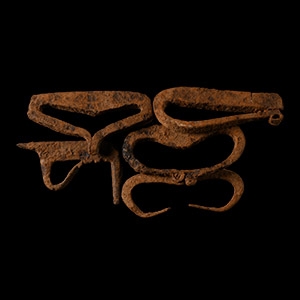
Medieval Iron Fire Starter Group
Circa 15th century A.D.Estimate: £80 - 100 (+bp*)
Opening Bid: £40
Including fire steels of various types with ornamental shaping. 148 grams total, 52-62 mm
Acquired 1990s-early 2000s. East Anglian private collection. -
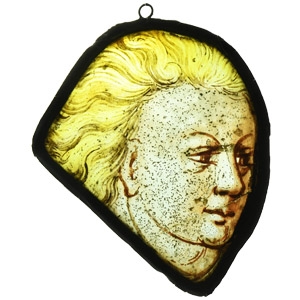
Medieval Stained Glass Panel with Head of a Boy
France, early 16th century A.D.Sold for (Inc. bp): £494
Irregular, with lead came frame and suspension loop; amber-coloured glass with sepia portrait of a fair-haired youth. 106 grams, 12.5 cm
Galerie de Chartres, 2009. Ex central London gallery.
