
Loading, please wait...
LOT 1848
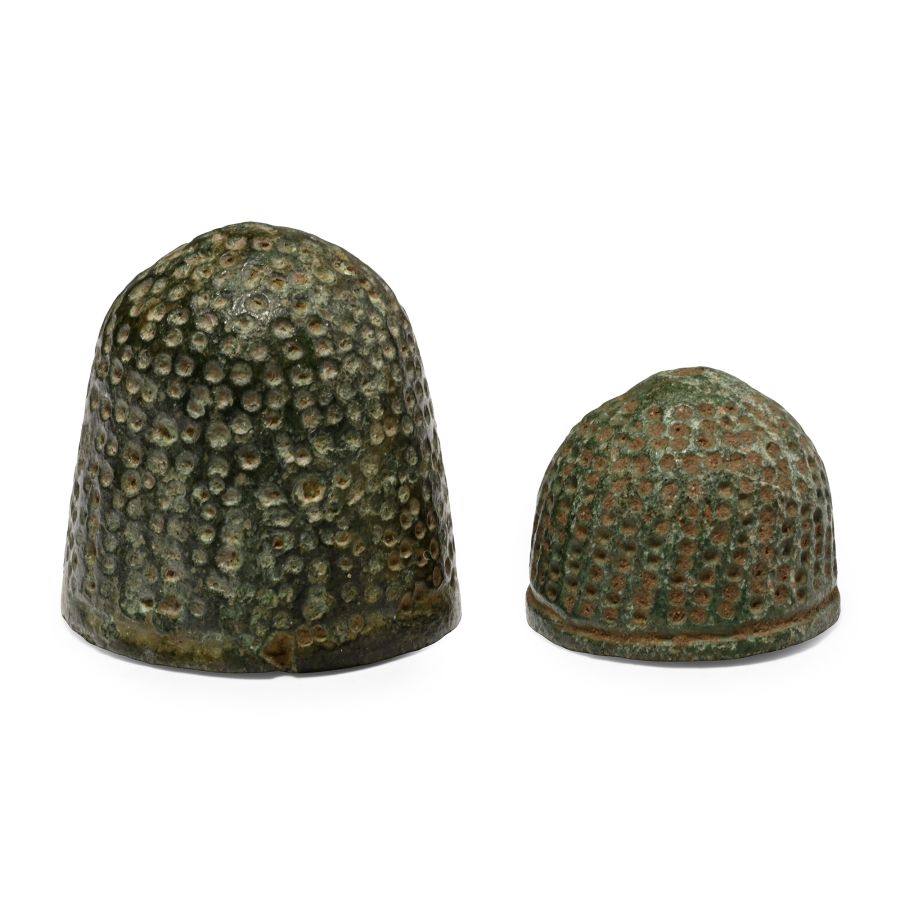
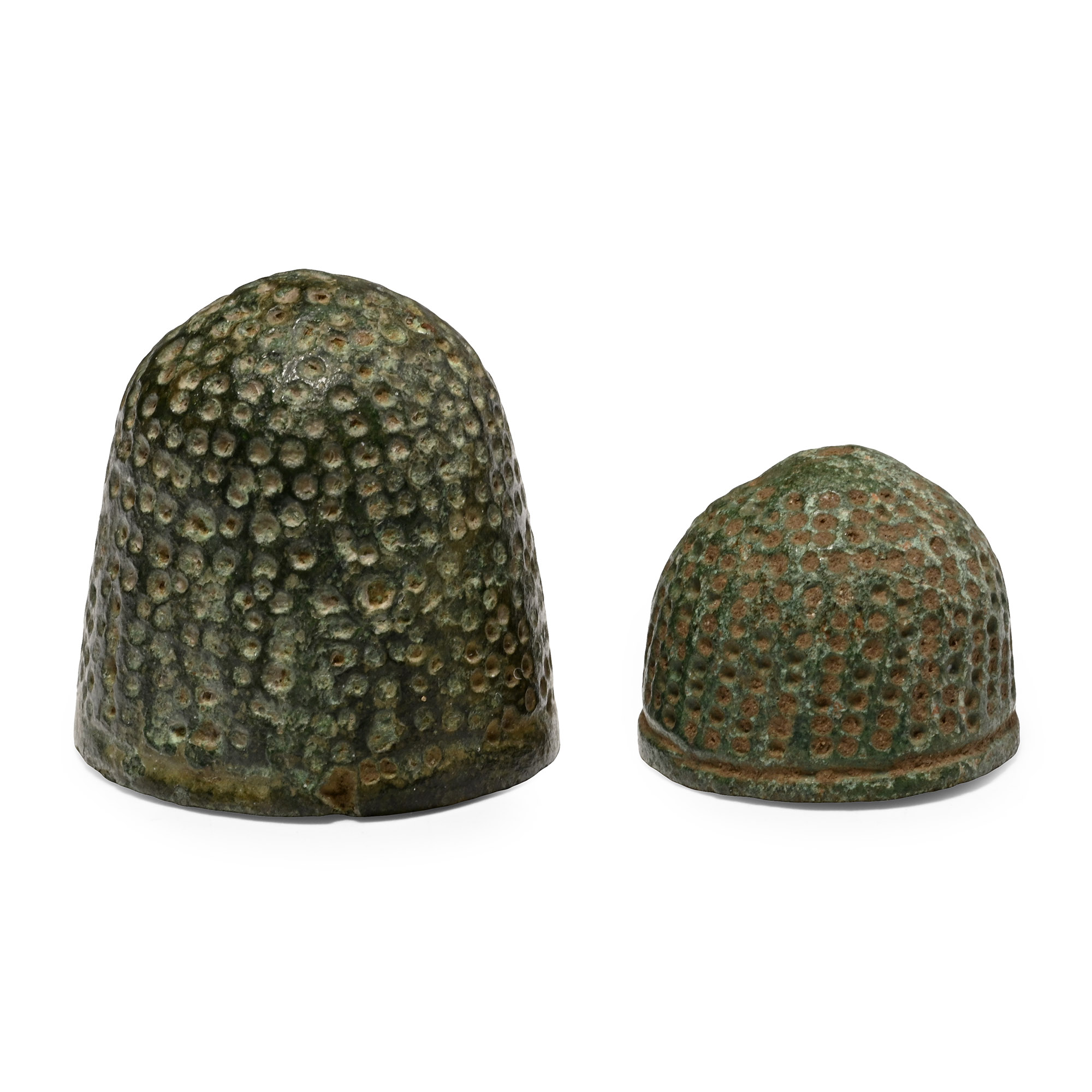
Medieval Bronze 'Beehive' Thimble Group
CIRCA 14TH-15TH CENTURY A.D.
5/8 - 7/8 in. (13.4 grams total, 16-21 mm).
Pair of thimbles with pellet decoration, and a narrow plain band to the lower edge. [2, No Reserve]
ProvenanceAcquired on the UK art market.
Property of a Lancashire, UK, collector.
TimeLine Auctions follows a vetting process to ensure the authenticity and legality of all items, reinforcing our commitment to integrity and responsible trading. Each antiquity, antique, and coin lot undergoes thorough examination by a vetting committee of at least ten external specialists, professional trade association members, scientists, and archaeologists: Our Vetting Process
AUCTIONS:
TimeLine is a leading auction house specialising in antiquities, ancient art, collectables, natural history, coins, medals, and books. Our auctions offer museums, collectors, historians, and enthusiasts the opportunity to acquire unique and historically significant pieces.
-
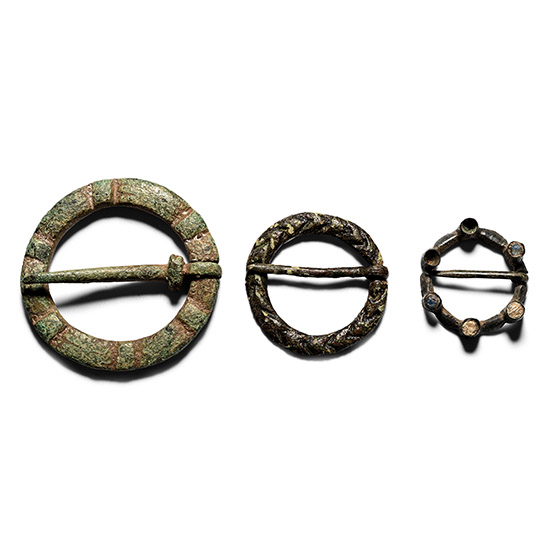
Medieval Bronze Ring Brooch Group
Circa 13th-15th century A.D.Sold for (Inc. bp): £65
Comprising three annular brooches: one with a raised wreath decoration; one with parallel notches; one with six raised cells, four with blue and white glass inserts. 9.03 grams total, 16-28 mm
From the private collection of Graham Slater (1927-2024), Cambridge, UK; formed 1980s-1990s. -
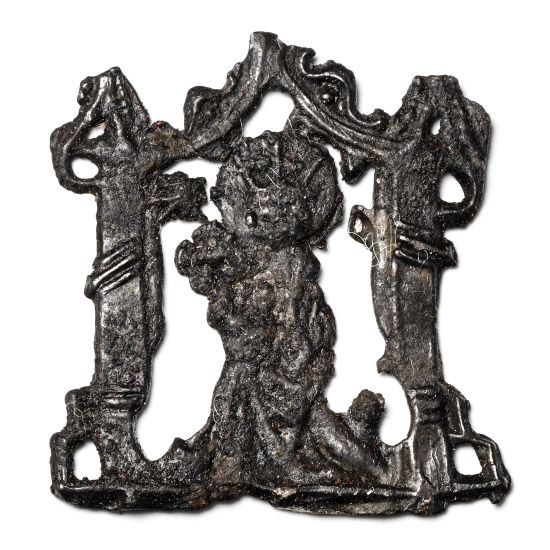
Medieval Pewter 'Our Lady's Shrine' Pilgrim's Badge
Circa 15th century A.D.Sold for (Inc. bp): £111
Comprising Madonna and Child beneath an architectural frame. 3.7 grams, 33 mm
From a European collection, 1990s. Accompanied by a previous dealer's sales ticket. -
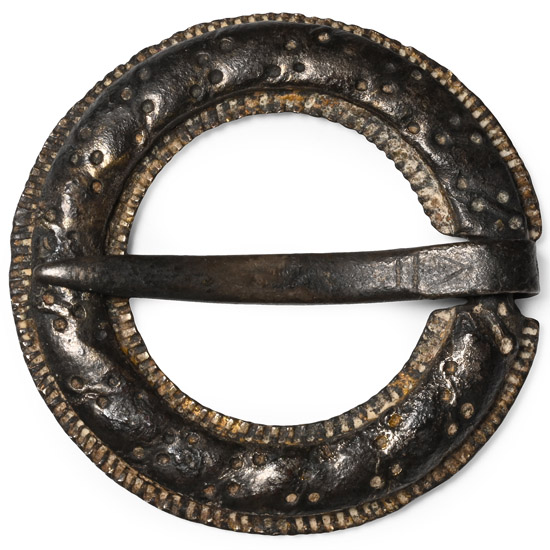
Medieval Silver-Gilt Annular Brooch
Circa 13th-14th century A.D.Sold for (Inc. bp): £65
With billeted inner and outer rims and D-section central panel decorated with punched-point wreath detail, the ring waisted to accommodate a flat-section triangular tongue. 7.49 grams, 32 mm
Ex Horton collection; previously in a Buckinghamshire, UK, collection since the 1980s. Private collection, Suffolk, UK.
