
Loading, please wait...
LOT 1603
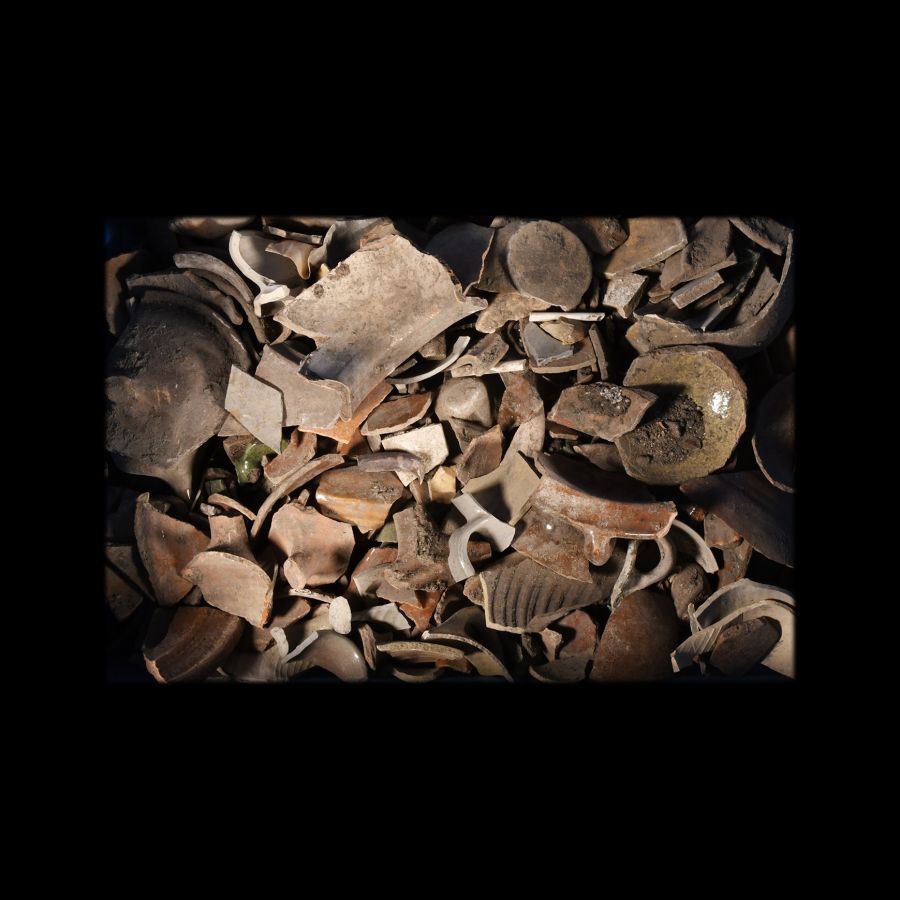
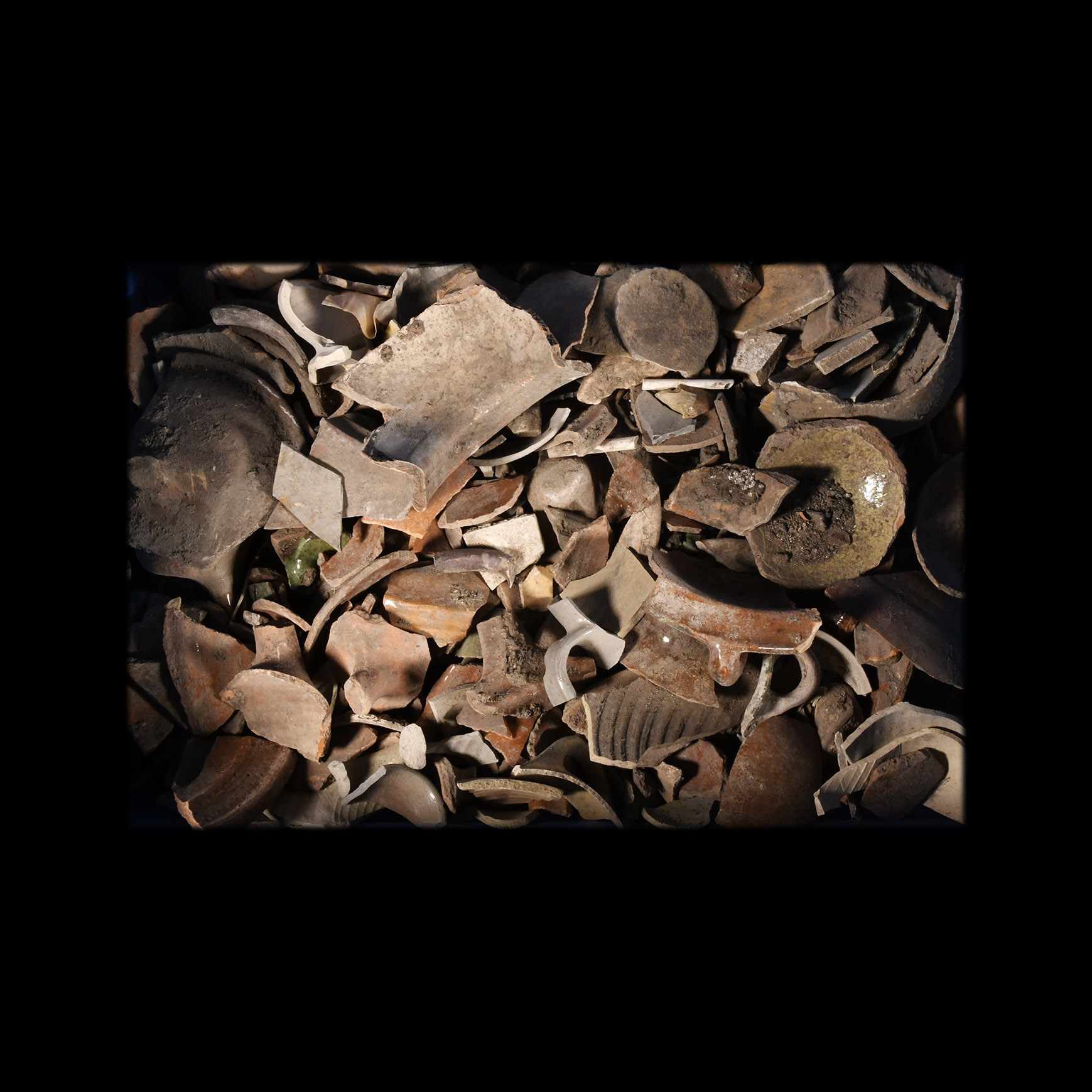
Medieval and Later Dutch Pottery Pit Dug Fragment Group
CIRCA 15TH-17TH CENTURY A.D.
1/2 - 5 in. (23.5 kg total, 1.5-13 cm).
Most glazed and from various vessel types, including examples with decoration. [No Reserve]
ProvenanceAcquired 1990s-early 2000s.
East Anglian private collection.
TimeLine Auctions follows a vetting process to ensure the authenticity and legality of all items, reinforcing our commitment to integrity and responsible trading. Each antiquity, antique, and coin lot undergoes thorough examination by a vetting committee of at least ten external specialists, professional trade association members, scientists, and archaeologists: Our Vetting Process
AUCTIONS:
TimeLine is a leading auction house specialising in antiquities, ancient art, collectables, natural history, coins, medals, and books. Our auctions offer museums, collectors, historians, and enthusiasts the opportunity to acquire unique and historically significant pieces.
-
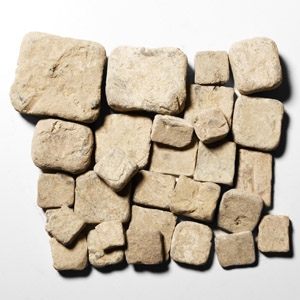
Medieval and Other Lead Tabular Weight Collection
Circa 15th century A.D. and laterSold for (Inc. bp): £20
Weights of various sizes of mainly square, rectangular and cuboid form. 1.16 kg total, 12-47 mm
Acquired on the UK art market. Property of a Ruislip, UK, gentleman, by inheritance. -
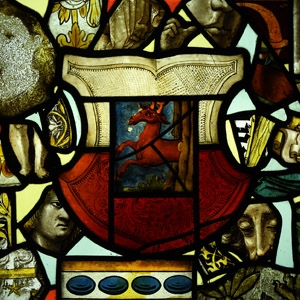
Medieval Stained Glass Panel with Various Elements
Circa 15th-17th century A.D.Sold for (Inc. bp): £1,105
Rectangular with lead came framing; composition from elements of various designs including a female bust with ornate collared gown; two lower legs; a right hand; various facial details; heater shields with heraldic designs; goat emerging from woodland; architectural elements; and other types. 2.09 kg, 48.5 x 42.5 cm
Ex central London gallery. -
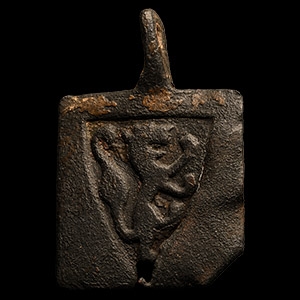
Medieval Knight's Bronze Heraldic Horse Harness Pendant
14th-15th century A.D.Sold for (Inc. bp): £111
Square with a suspension loop to the top edge; recessed heater-shield displaying a rampant lion facing right in relief. 11.05 grams, 45 mm
From the Sullivan family collection, UK; acquired since 2003.
