
Loading, please wait...
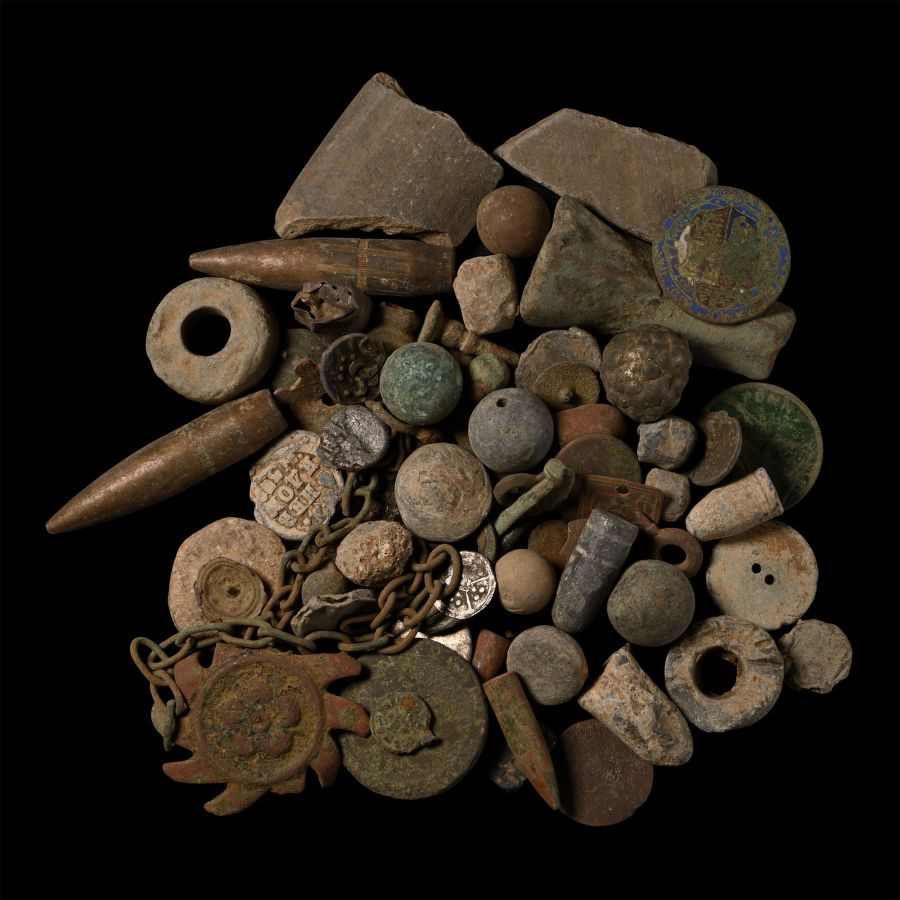
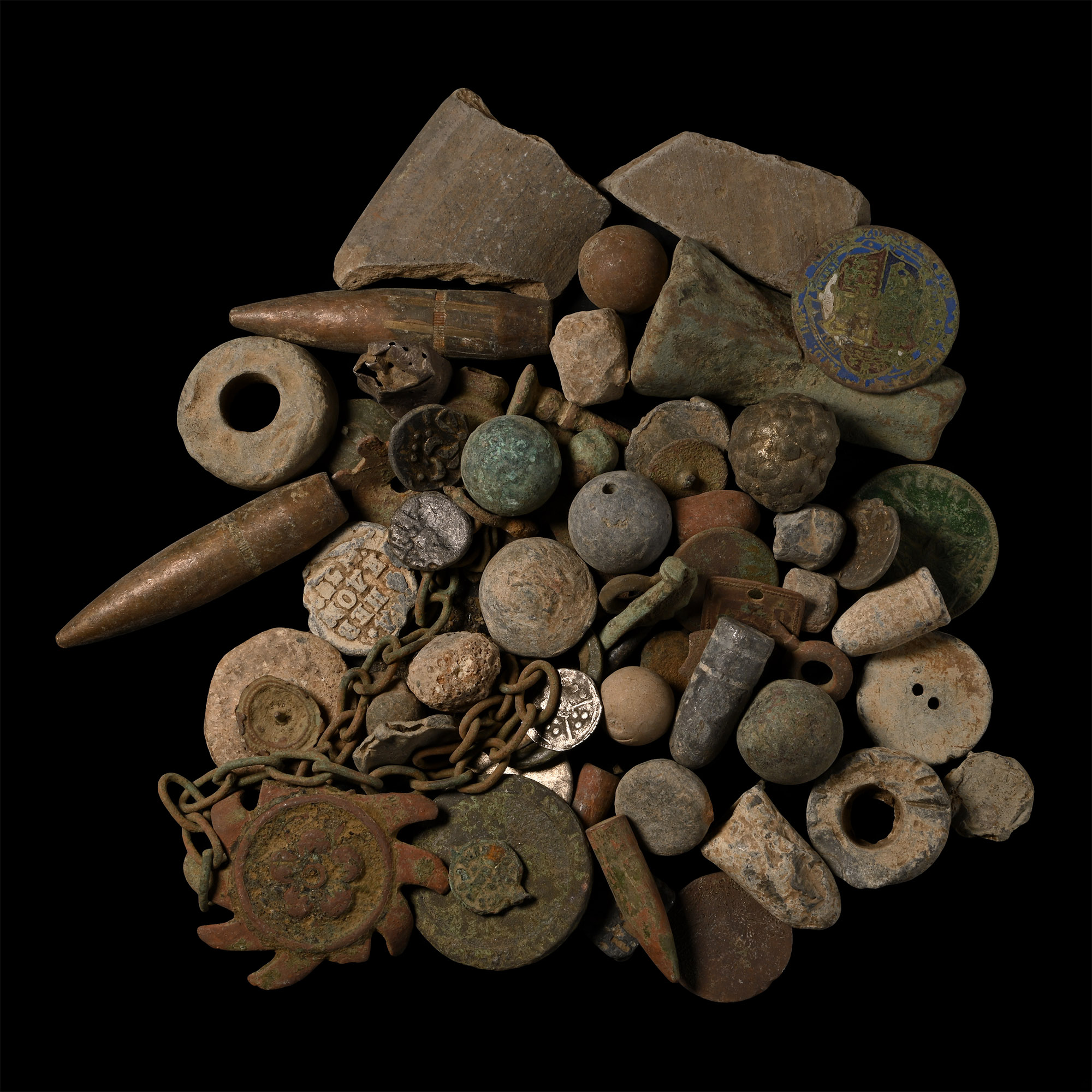
LOT 1819
Medieval and Later Artefacts and Coins
15TH-20TH CENTURY A.D.
3/8 - 2 3/8 in. (884 grams total, 10-60 mm).
Including musket balls, mounts, ceramic fragments, coins, projectiles, and other items. [70, No Reserve]
ProvenanceFound Suffolk, UK.
Property of a Suffolk, UK, gentleman.
(UK buyers only, not for export)
TimeLine Auctions follows a vetting process to ensure the authenticity and legality of all items, reinforcing our commitment to integrity and responsible trading. Each antiquity, antique, and coin lot undergoes thorough examination by a vetting committee of at least ten external specialists, professional trade association members, scientists, and archaeologists: Our Vetting Process
AUCTIONS:
TimeLine is a leading auction house specialising in antiquities, ancient art, collectables, natural history, coins, medals, and books. Our auctions offer museums, collectors, historians, and enthusiasts the opportunity to acquire unique and historically significant pieces.
-
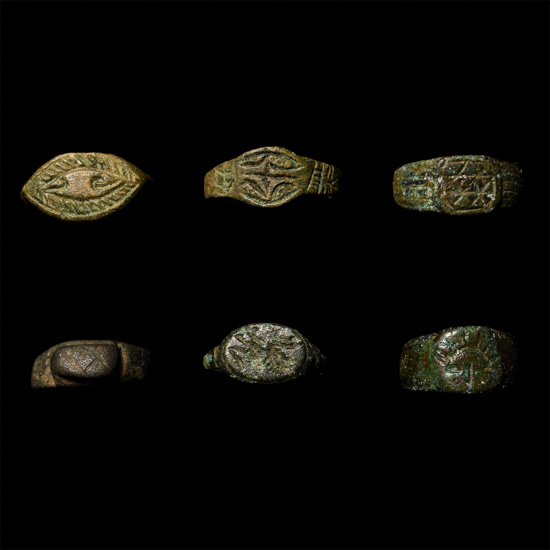
Celtic to Medieval Bronze Ring Collection
1st century B.C.-16th century A.D.Sold for (Inc. bp): £124
Comprising six rings with decorative bezels, one with a split hoop. 20.86 grams total, 17-22 mm
Acquired on the UK and EU art market before 2000. From the private collection of a Surrey, UK, gentleman.
One of the rings in this collection is a Medieval signet ring. Signet rings in the Middle Ages were often made entirely of metal – gold for the wealthiest individuals and silver or bronze for those with lesser means. -
.jpg)
Large Medieval Bronze Signet Ring with Crowned I
15th-16th century A.D.Sold for (Inc. bp): £65
D-section hoop and ellipsoid bezel with 'I' beneath a crown. 5.92 grams, 24.90 mm overall, 19.97 mm internal diameter (approximate size British T 1/2, USA 9 3/4, Europe 21.89, Japan 21 )
From the collection of a late Gloucestershire, UK, collector. -
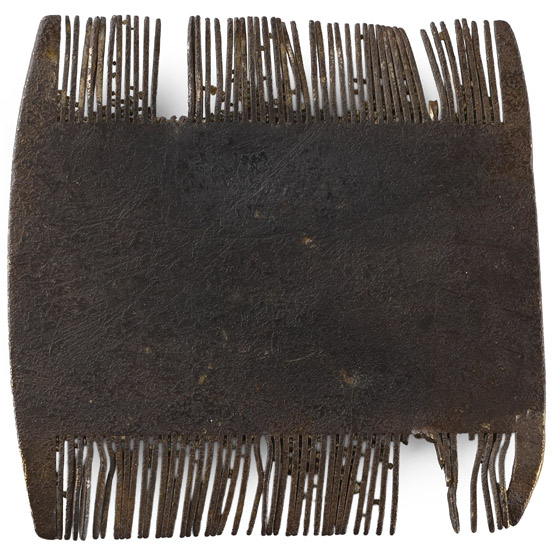
Medieval Bronze Comb
15th-16th century A.D.Sold for (Inc. bp): £46
Square in plan and flat in section with saw-cut teeth to two edges. 22.9 grams, 59 mm
Ex German art market, 2000s. Acquired from an EU collector living in London. From the collection of a Surrey, UK, gentleman.
