
Loading, please wait...


LOT 2176
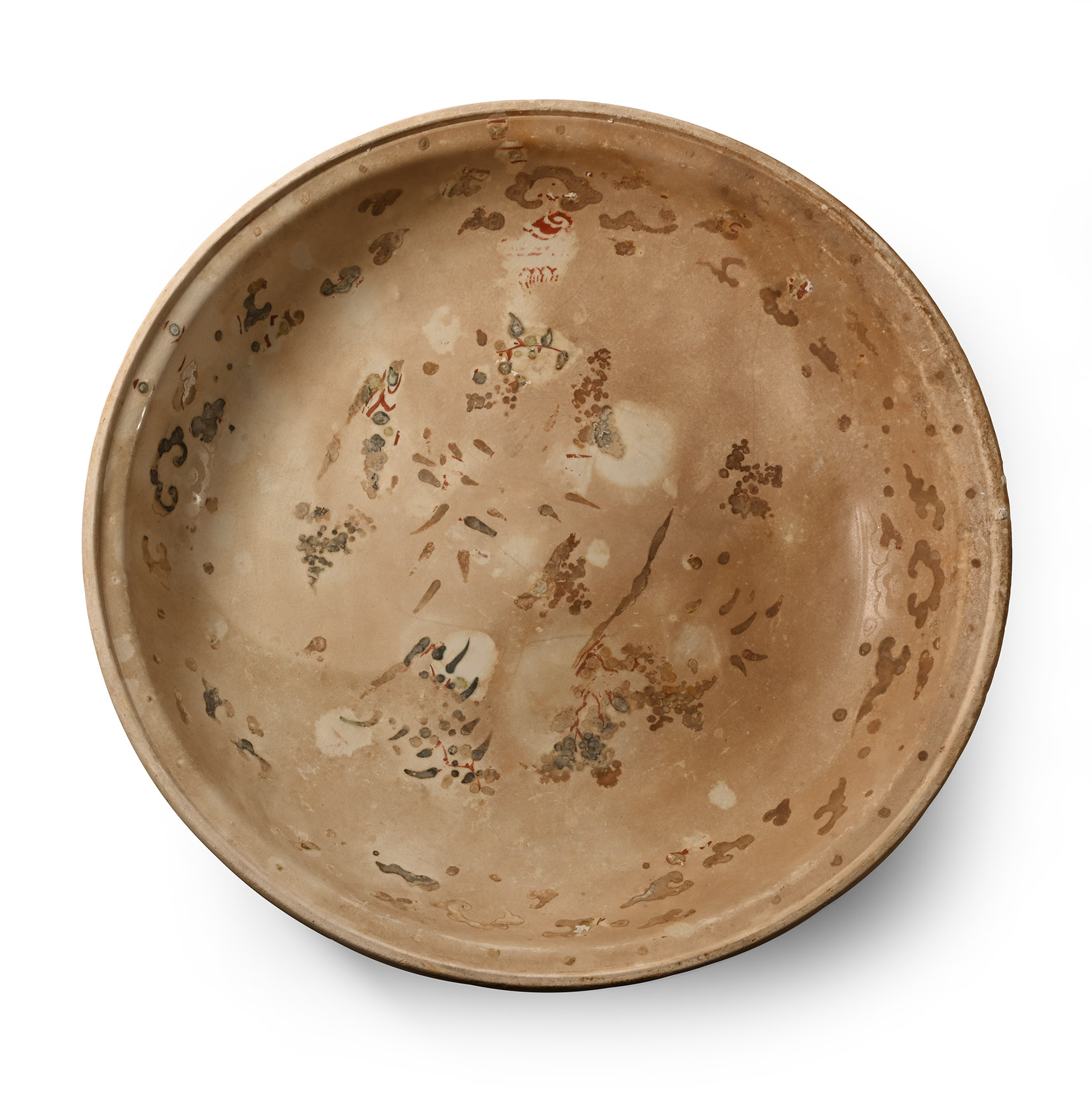
Massive Hoi An Shipwreck Glazed Blue and White Dish
15TH CENTURY A.D.
13 3/8 in. (1.98 kg, 34 cm).
Broad glazed bowl with substantial basal ring and rounded rim, band of cloud pattern motifs and floral motifs to the centre. [No Reserve]
ProvenanceEx Butterfield and Butterfield auction with official Hoi An Hoard labels.
Accompanied by an illustrated information sheet about the Hoi An shipwreck.
In the mid 15th century a freighting junk loaded with fine Vietnamese pottery sank in an area of the South China Sea called the 'Dragon’s Embrace.' This vessel is part of the shipwreck cargo recovered off the coast of Vietnam at Hoi An. The ceramics themselves were probably made in the area of Chu Dau.
CONDITIONTimeLine Auctions follows a vetting process to ensure the authenticity and legality of all items, reinforcing our commitment to integrity and responsible trading. Each antiquity, antique, and coin lot undergoes thorough examination by a vetting committee of at least ten external specialists, professional trade association members, scientists, and archaeologists: Our Vetting Process
AUCTIONS:
TimeLine is a leading auction house specialising in antiquities, ancient art, collectables, natural history, coins, medals, and books. Our auctions offer museums, collectors, historians, and enthusiasts the opportunity to acquire unique and historically significant pieces.
-
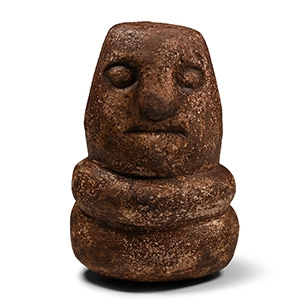
South East Asian Rhyolite Demon Funerary Idol
4th-3rd century B.C. or laterSold for (Inc. bp): £52
Comprising bulbous head and body, low-relief facial features, arms forming a horizontal band; traces of red pigment. 1.35 kg, 15 cm
Acquired on the Asian art market. Ex property of a gentleman collector since before 2017. -
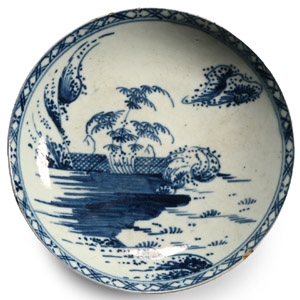
Chinese Blue and White Dish
Circa 1750 A.D.Sold for (Inc. bp): £39
Tin-glazed shallow dish with dark blue landscape details in a lattice border. 86 grams, 11.8 cm
Ex Scott family collection by descent. -
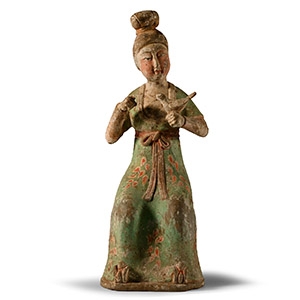
Chinese Tang Terracotta Seated Court Lady Figure with Bird
Tang Dynasty, 618-907 A.D. or laterSold for (Inc. bp): £1,950
Dressed in floor-length courtly dress with floral decoration, sash with a bow to the waist, cloud slippers emerging from beneath the hem; holding a dove in her left hand with herm right hand raised and reaching towards the bird. 1.48 kg, 30.5 cm
From a West Country, UK, collection, 1990s.
