
Loading, please wait...
LOT 2519
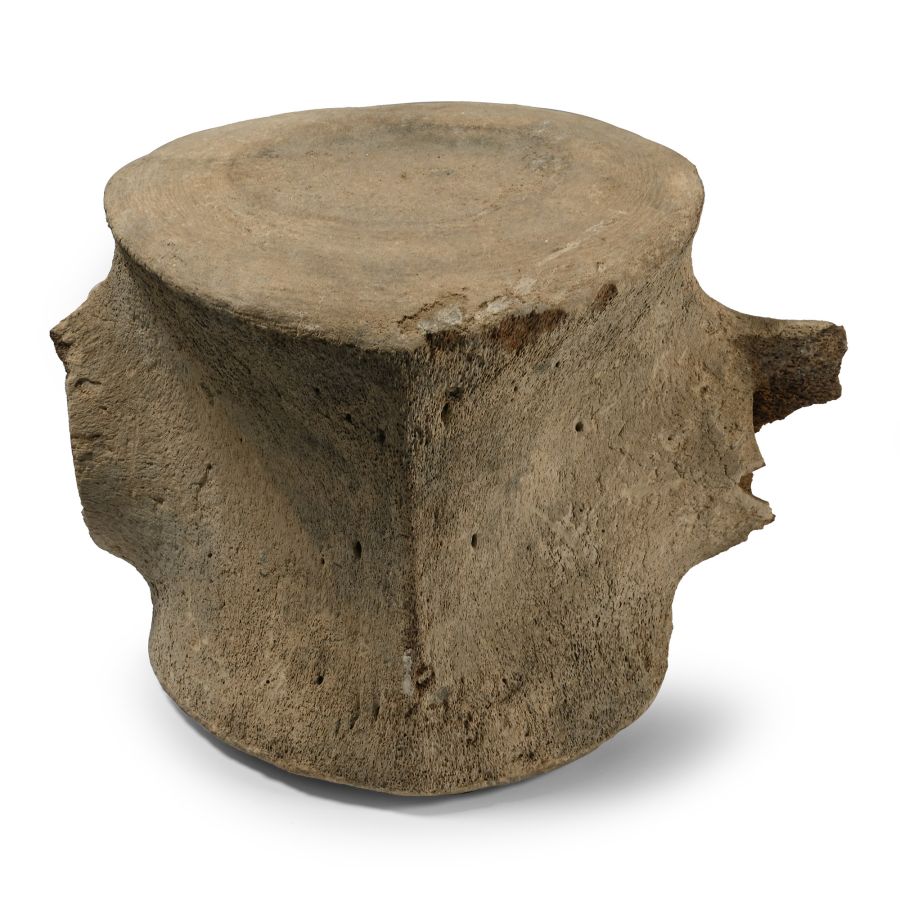
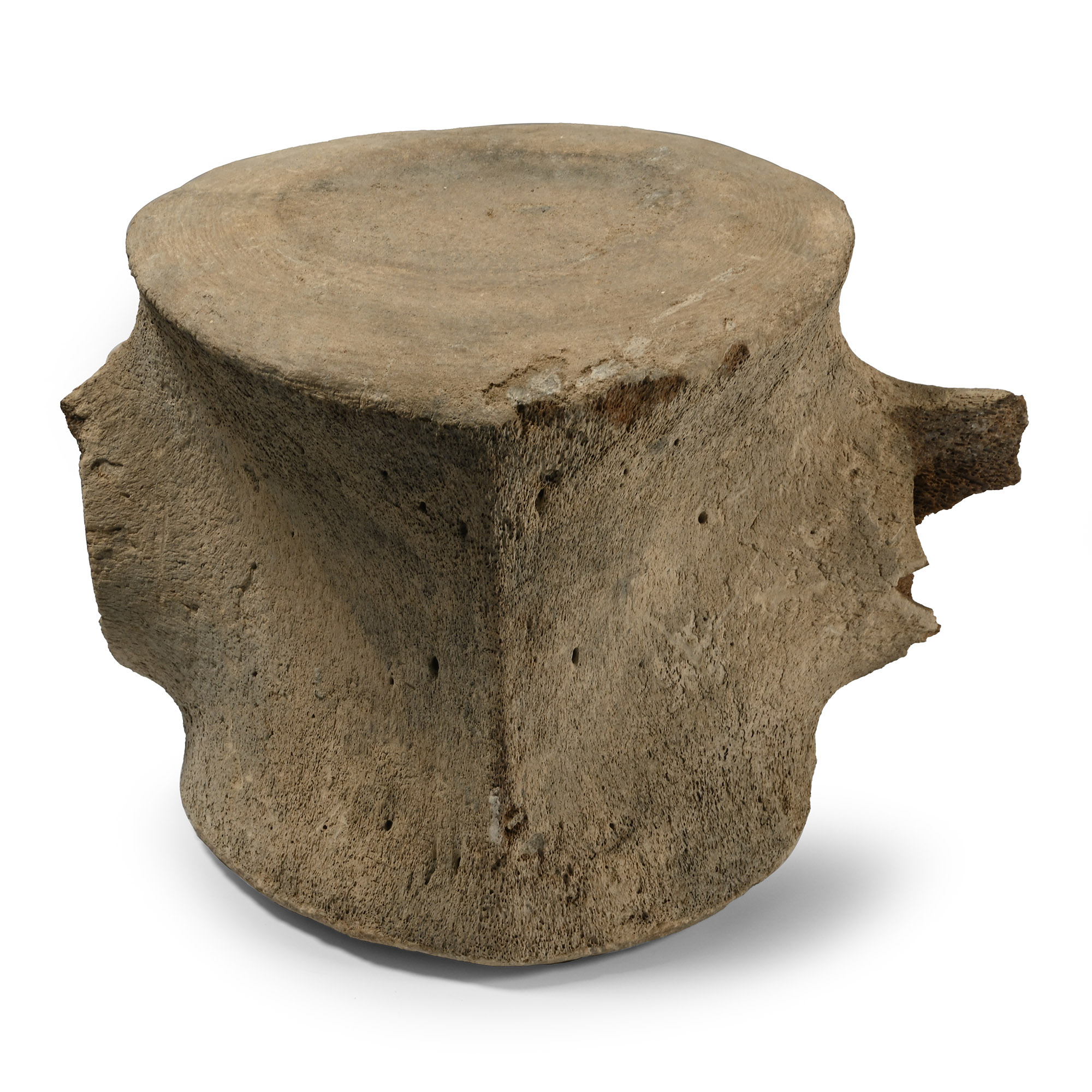
Massive Fossil Whale Vertebra
MIOCENE PERIOD, YORKTOWN FORMATION, CIRCA 23-5.3 MILLION YEARS B.P.
8 5/8 in. (2.43 kg, 22 cm wide).
Showing the edges of the neural arch and the base of transverse processes. [No Reserve]
ProvenanceFrom Beaufort County, North Carolina, USA.
From the private collection of Kenneth Machin (1936-2020), Buckinghamshire, UK; with collection no.VM3; his collection of antiquities and natural history was formed since 1948; thence by descent.
TimeLine Auctions follows a vetting process to ensure the authenticity and legality of all items, reinforcing our commitment to integrity and responsible trading. Each antiquity, antique, and coin lot undergoes thorough examination by a vetting committee of at least ten external specialists, professional trade association members, scientists, and archaeologists: Our Vetting Process
AUCTIONS:
TimeLine is a leading auction house specialising in antiquities, ancient art, collectables, natural history, coins, medals, and books. Our auctions offer museums, collectors, historians, and enthusiasts the opportunity to acquire unique and historically significant pieces.
-
![Polished Citrine Crystal Specimen Group [47]](https://timelineauctions.com/upload/images/items/small/227902-s.jpg)
Polished Citrine Crystal Specimen Group [47]
Sold for (Inc. bp): £20
A large group of light coloured citrine pebbles. 514 grams total, 18-34 mm
Ex Mineral Imports, London, UK. Gregory, Bottley & Lloyd (Gregory's), Harwich, UK. -
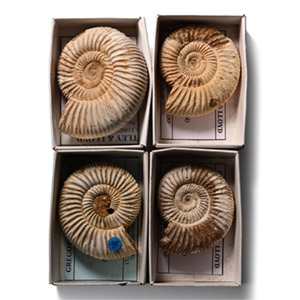
Boxed and Labelled Fossil Ammonite Collection
Middle Jurassic Period, circa 170 million years B.P.Sold for (Inc. bp): £85
Comprising four Perisphinctes sp. specimens in labelled specimen boxes. 320 grams total, 56-66 mm
From Madagascar. Ex Gregory, Bottley & Lloyd (Gregory's), Harwich, UK. -

Fossil Petraster Starfish Group
Ordovician Period, circa 485-444 million years B.P.Sold for (Inc. bp): £7
Comprising two matrices with a Petraster sp. specimen on each with some other fossil remains. 660 grams total, 13-13.6 cm
From a Cambridgeshire, UK, collection.
