
Loading, please wait...
_900x900.jpg "Massive Cave Stalagmite Section")
_200x200.jpg "Massive Cave Stalagmite Section")
.jpg "Massive Cave Stalagmite Section")
LOT 2805
Massive Cave Stalagmite Section
41 1/2 in. (76 kg, 105 cm).
A colossal cut section of cream-coloured stalagmite showing natural ripples. [No Reserve]
ProvenancePreviously from a Hong Kong collection.
Ex property of a London, UK, gentleman, 1990s.
A stalagmite is an upward-growing mound of mineral deposits growing on the floor of a cave due to the accumulation of material deposited from ceiling drippings. They are typically formed by the deposition of calcium carbonate and other minerals, which are precipitated from mineralised water solutions. Limestone is the chief form of calcium carbonate rock, which is dissolved by water that contains carbon dioxide, forming a calcium bicarbonate solution in underground caverns.
CONDITIONTimeLine Auctions follows a vetting process to ensure the authenticity and legality of all items, reinforcing our commitment to integrity and responsible trading. Each antiquity, antique, and coin lot undergoes thorough examination by a vetting committee of at least ten external specialists, professional trade association members, scientists, and archaeologists: Our Vetting Process
AUCTIONS:
TimeLine is a leading auction house specialising in antiquities, ancient art, collectables, natural history, coins, medals, and books. Our auctions offer museums, collectors, historians, and enthusiasts the opportunity to acquire unique and historically significant pieces.
-
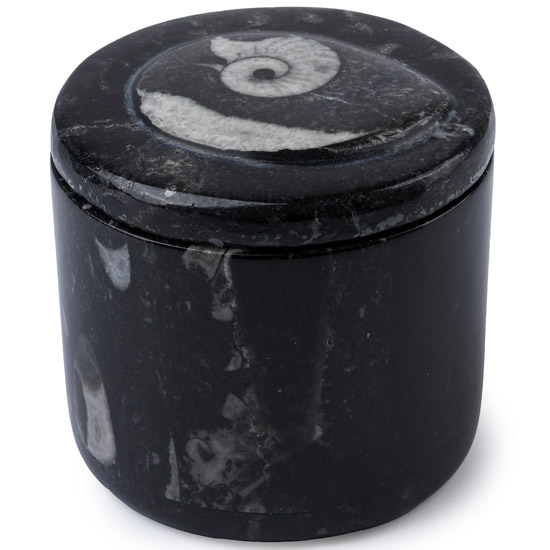
Polished Fossil Goniatite Lidded Pot
Devonian Period, circa 400 million years B.P.Sold for (Inc. bp): £46
A cylindrical body carved from fossiliferous stone, the lid set with a large Goniatite sp. 242 grams, 56 mm
From Morocco, North Africa. From a Cambridgeshire, UK, collection. -
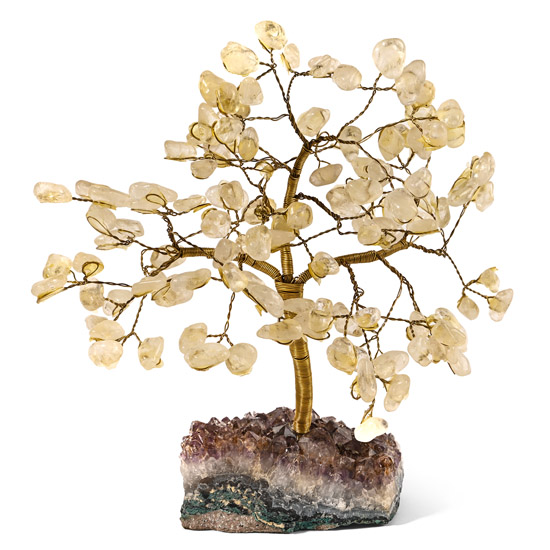
Quartz Gem Tree on Amethyst Crystal Geode Section
Sold for (Inc. bp): £13
Irregular geode matrix with light purple amethyst crystals; the metal branches tipped with polished quartz pebbles. 520 grams, 19.5 cm
From Brazil. Ex Mineral Imports, London, UK. Gregory, Bottley & Lloyd (Gregory's), Harwich, UK. -
![Group of Twenty [20] Mixed Mineral Specimens](https://timelineauctions.com/upload/images/items/small/250979-s.jpg)
Group of Twenty [20] Mixed Mineral Specimens
Sold for (Inc. bp): £59
A boxed group of minerals comprising: amethyst specimens; red jasper; blue lace agate; a cut and polished agate geode half; sulphur; hematite; rock crystal; light blue topaz pebble; calcite, and others. 2.12 kg total including box, 3.8-14.5 cm
Ex Mineral Imports, London, UK. Gregory, Bottley & Lloyd (Gregory's), Harwich, UK.
