
Loading, please wait...
LOT 0236
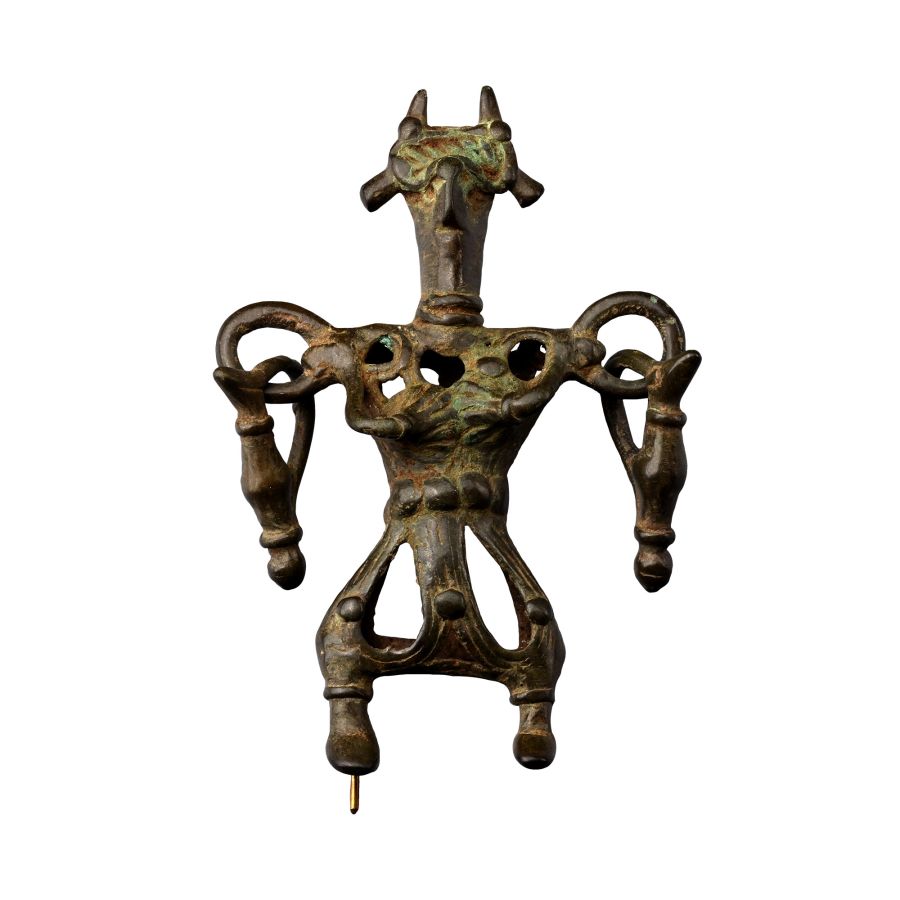
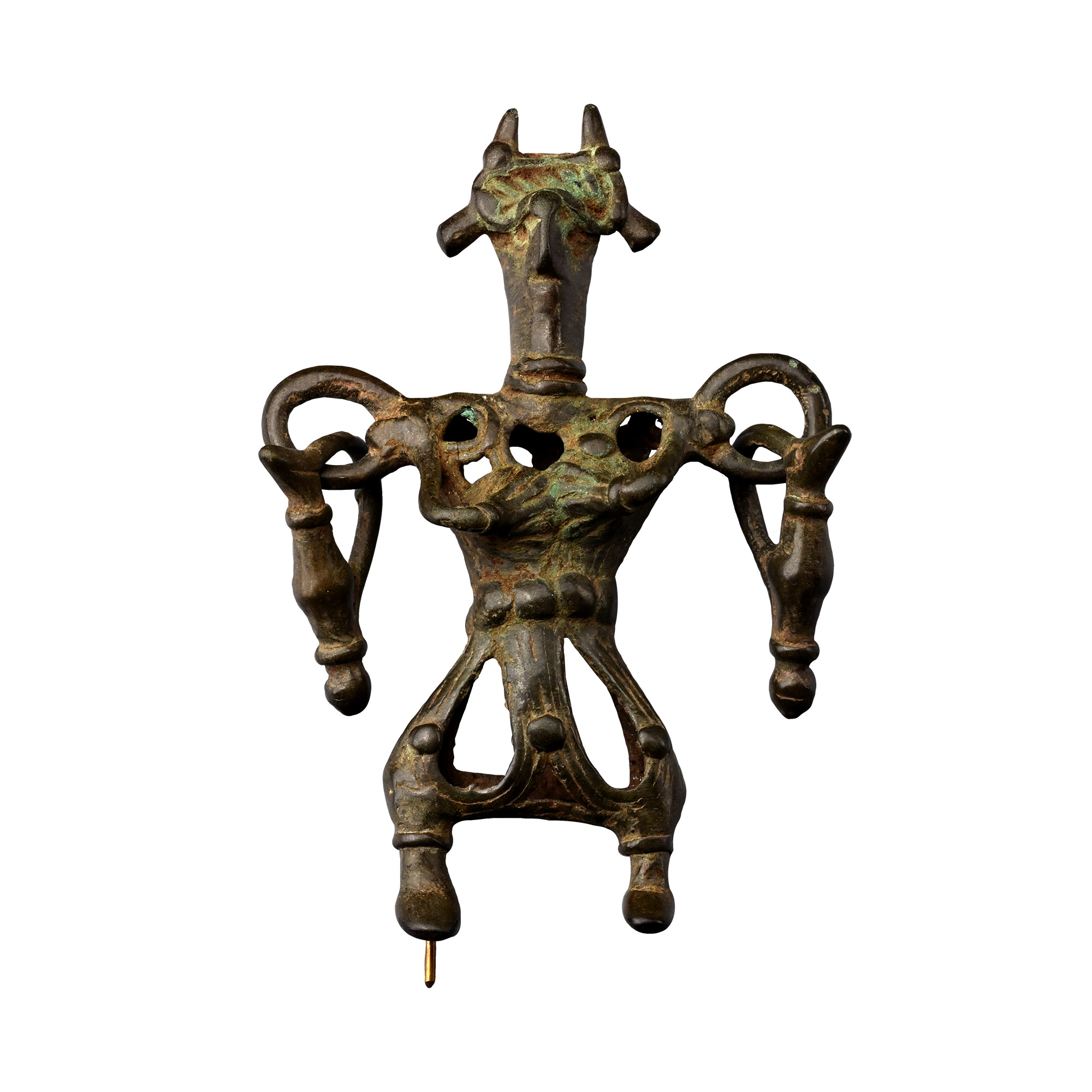
Marlik Bronze Maternity Figure
9TH-8TH CENTURY B.C.
3 in. (40 grams, 77 mm).
Openwork body with integral horned head, loops to the shoulders and breasts; separate arms mounted in the shoulder-rings, applied pellets and braid detailing.
ProvenanceAcquired in the 1980s.
Private collection, Switzerland, thence by descent.
Private collection, since the late 1990s.
This lot has been checked against the Interpol Database of stolen works of art and is accompanied by a search certificate number no.12698-234680.
Cf. The Profane and the Divine. Art of Antiquity from Europe to Southeast Asia. Fleurons du Musee Barbier-Mueller, Geneva, 2008, pp.386 and 505.
CONDITIONTimeLine Auctions follows a vetting process to ensure the authenticity and legality of all items, reinforcing our commitment to integrity and responsible trading. Each antiquity, antique, and coin lot undergoes thorough examination by a vetting committee of at least ten external specialists, professional trade association members, scientists, and archaeologists: Our Vetting Process
AUCTIONS:
TimeLine is a leading auction house specialising in antiquities, ancient art, collectables, natural history, coins, medals, and books. Our auctions offer museums, collectors, historians, and enthusiasts the opportunity to acquire unique and historically significant pieces.
-
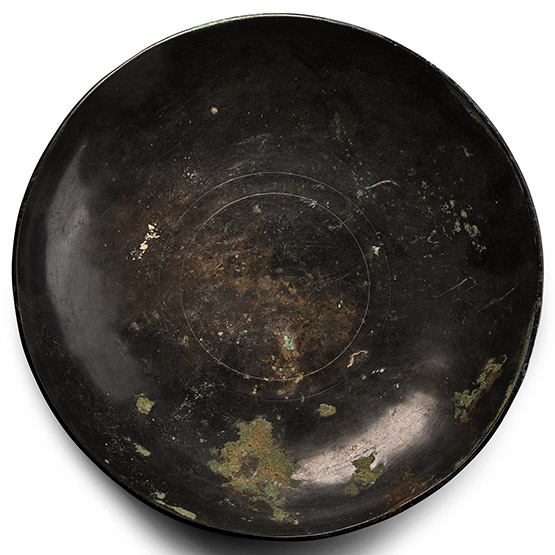
Western Asiatic Bronze Bowl
Late 1st millennium B.C.Sold for (Inc. bp): £85
Broad and shallow with incised concentric rings to the inner face. 220 grams, 19 cm
Ex 1990s collection and with a central London gallery. -
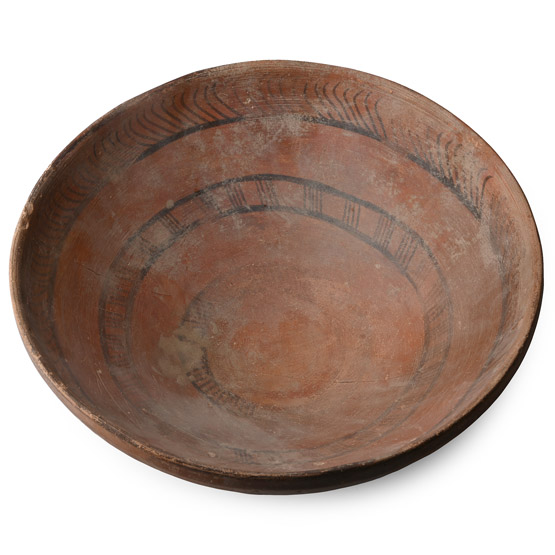
Large Western Decorated Asiatic Pottery Bowl
1st millennium B.C.Sold for (Inc. bp): £117
Hemispherical in profile with low discoid foot, rounded rim, painted detailing to inner face of concentric hatched rings; repaired. 1.59 kg, 29 cm wide
From the collection of a gentleman, 1988-2000s. -
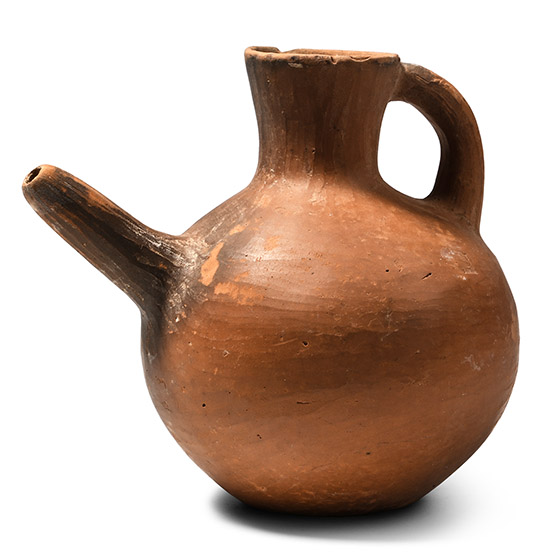
Western Asiatic Pottery Pouring Vessel
1st millennium B.C.Estimate: £100 - 140 (+bp*)
Opening Bid: £50
Globular in profile with slender angled spout, conical mouth and strap handle. 188 grams, 10 cm
From the collection of a gentleman, 1988-2000s.
