
Loading, please wait...
LOT 1572
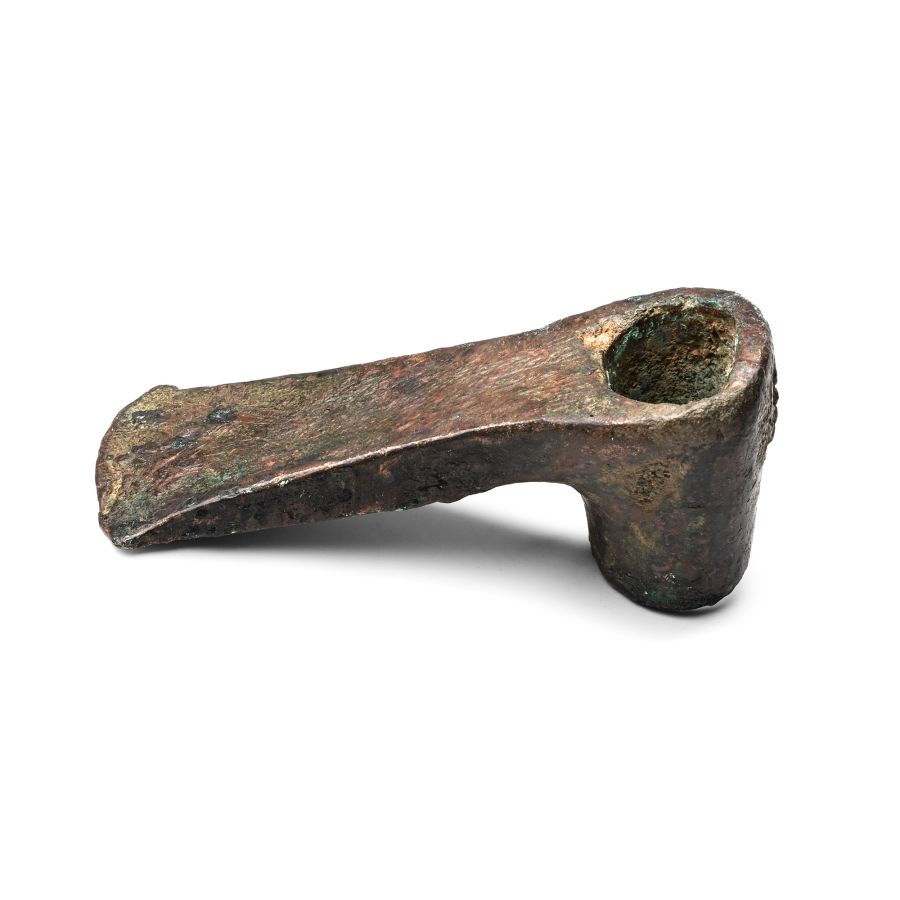
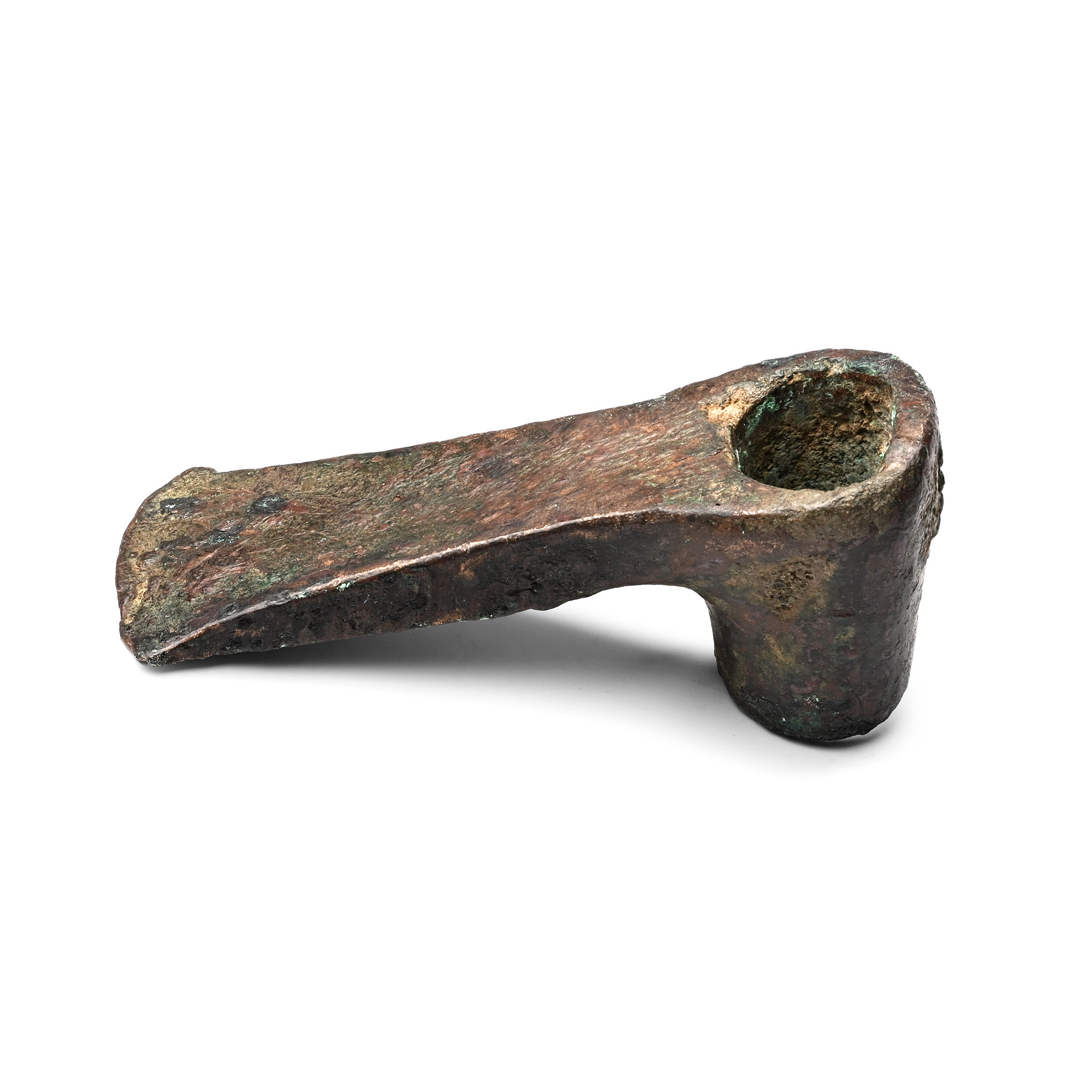
Luristan Socketted Bronze Adze
2ND-1ST MILLENNIUM B.C.
4 3/8 in. (326 grams, 11.1 cm).
Short tubular socket, perpendicular rectangular-section blade with convex cutting edge. [No Reserve]
ProvenanceFrom an old English collection, 1980s.
LiteratureCf. Calmeyer, P., Datierbare Bronzen aus Luristan und Kirmanshah II. Datierbare Gruppen (chronologisch geordnet), De Gruyter, 1969, fig.6, p.10, group 2, type A3 a, of the Calmeyer classification.
CONDITIONTimeLine Auctions follows a vetting process to ensure the authenticity and legality of all items, reinforcing our commitment to integrity and responsible trading. Each antiquity, antique, and coin lot undergoes thorough examination by a vetting committee of at least ten external specialists, professional trade association members, scientists, and archaeologists: Our Vetting Process
AUCTIONS:
TimeLine is a leading auction house specialising in antiquities, ancient art, collectables, natural history, coins, medals, and books. Our auctions offer museums, collectors, historians, and enthusiasts the opportunity to acquire unique and historically significant pieces.
-
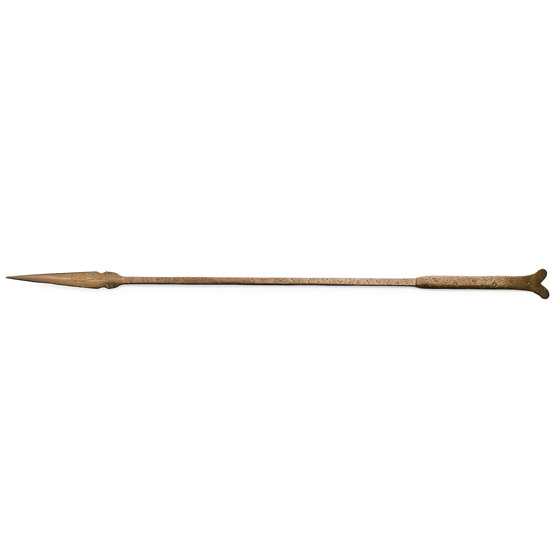
Indian Inscribed Ceremonial Brass Dart
Late 20th century A.D.Sold for (Inc. bp): £33
Comprising a rectangular-section shank with incised diagonal lines and punched pellets; narrow leaf-shaped blade with lateral flanches and notching; tail developing to lateral lobes with incised and punched ornament. 216 grsms, 60.5 cm
Property of a Berkshire, UK, gentleman collector. -
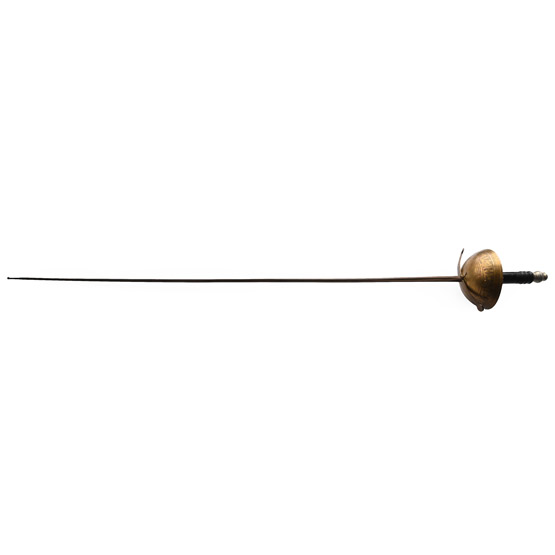
Fencing Épée with Engraved Brass Basket
20th century A.D.Sold for (Inc. bp): £52
Slender triangular-section blade with scooped quillons, bell guard with engraved foliage ornament, and inner fabric sleeve, turned grip with knop finial. 472 grams, 106 cm
Property of a Berkshire, UK, gentleman collector. -
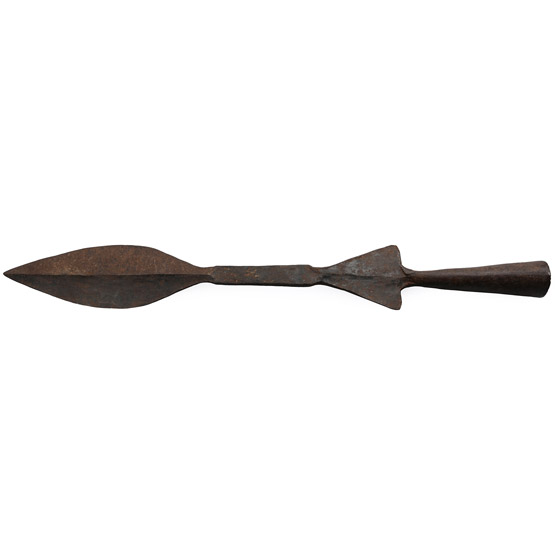
African Iron Socketted Spearhead
Late 20th century A.D.Sold for (Inc. bp): £26
Comprising a lentoid-section lanceolate head on a long flat-setion neck and triangular shoulder developing to a shallow conical socket. 200 grams, 36.3 cm
Property of a Berkshire, UK, gentleman collector.
