
Loading, please wait...


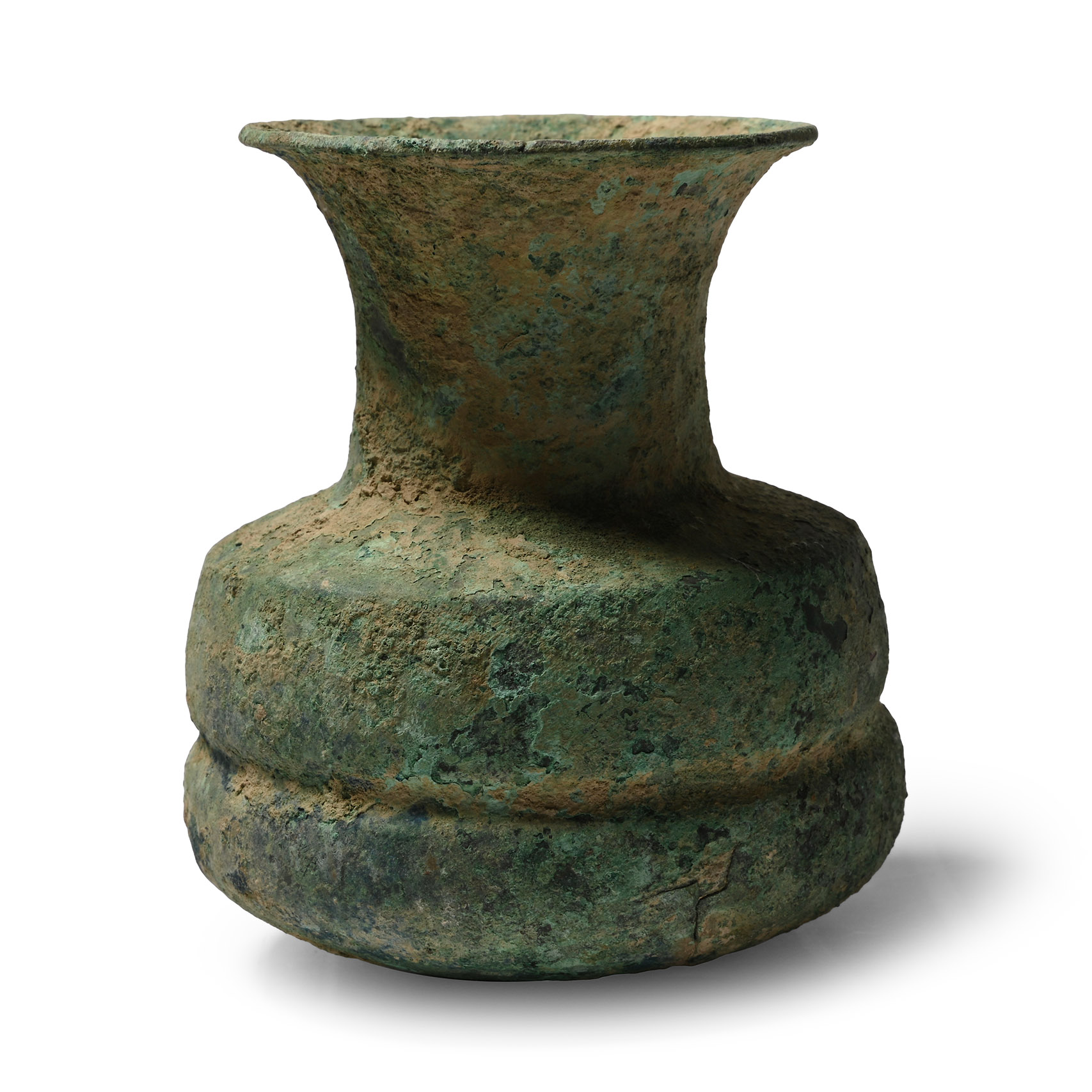
LOT 1376
Luristan Bronze Vase
13TH-7TH CENTURY B.C.
4 in. (165 grams, 10 cm).
With a waisted body and trumpet-shaped mouth.
ProvenanceAcquired 1980-2015.
Ex Abelita family collection.
This lot has been cleared against the Art Loss Register database, and is accompanied by an illustrated lot declaration signed by the Head of the Antiquities Department, Dr Raffaele D'Amato.
TimeLine Auctions follows a vetting process to ensure the authenticity and legality of all items, reinforcing our commitment to integrity and responsible trading. Each antiquity, antique, and coin lot undergoes thorough examination by a vetting committee of at least ten external specialists, professional trade association members, scientists, and archaeologists: Our Vetting Process
AUCTIONS:
TimeLine is a leading auction house specialising in antiquities, ancient art, collectables, natural history, coins, medals, and books. Our auctions offer museums, collectors, historians, and enthusiasts the opportunity to acquire unique and historically significant pieces.
-
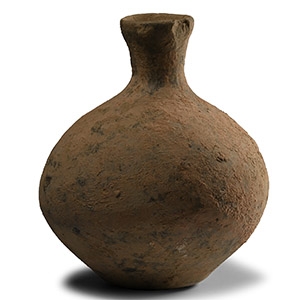
Amlash Terracotta Vase
1st millennium B.C.Estimate: £100 - 140 (+bp*)
Opening Bid: £50
Globular in profile with trumpet-shaped neck and mouth. 378 grams, 15.4 cm
From a London, UK, gentleman's collection of ancient pottery and artefacts, 1990s. This lot has been cleared against the Art Loss Register database, and is accompanied by an illustrated lot declaration signed by the Head of the Antiquities Department, Dr Raffaele D'Amato. -
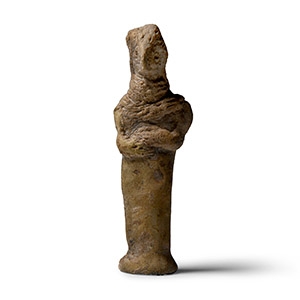
Western Asiatic Terracotta Standing Idol
3rd-2nd millennium B.C.Estimate: £400 - 600 (‡+bp*)
Opening Bid: £200
Free-standing; formed with a pinched face, hair held in a bun at the back of the head, arms folded across the waist, wearing a neck collar and possibly a headdress; splayed foot. 33 grams, 10.1 cm high
Acquired in the 1970s. Ex European private collection. This lot has been cleared against the Art Loss Register database, and is accompanied by an illustrated lot declaration signed by the Head of the Antiquities Department, Dr Raffaele D'Amato. -
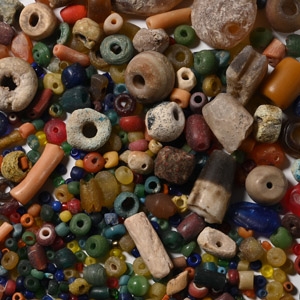
Western Asiatic and Other Mixed Bead Group
1st millennium B.C. and laterSold for (Inc. bp): £59
An assorted colourful mix of glass, stone and faience beads. 57 grams total, 1-22 cm
Ex London, UK, collection, 1990s. This lot has been cleared against the Art Loss Register database, and is accompanied by an illustrated lot declaration signed by the Head of the Antiquities Department, Dr Raffaele D'Amato.
