
Loading, please wait...
LOT 1519
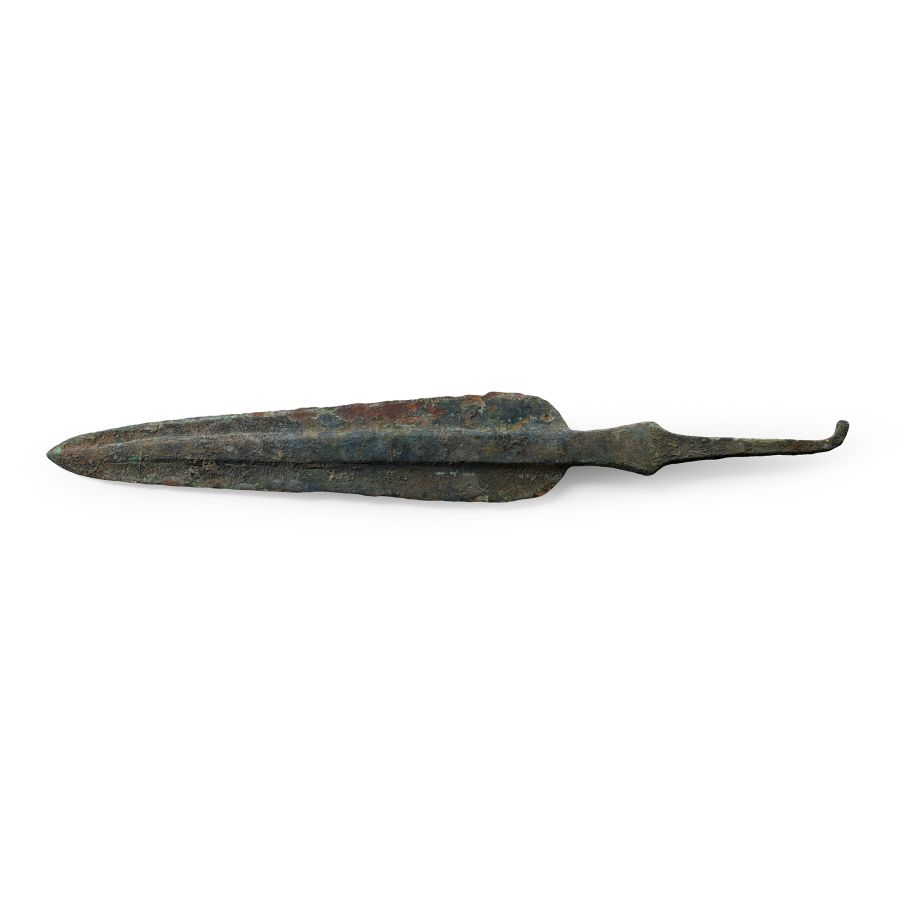
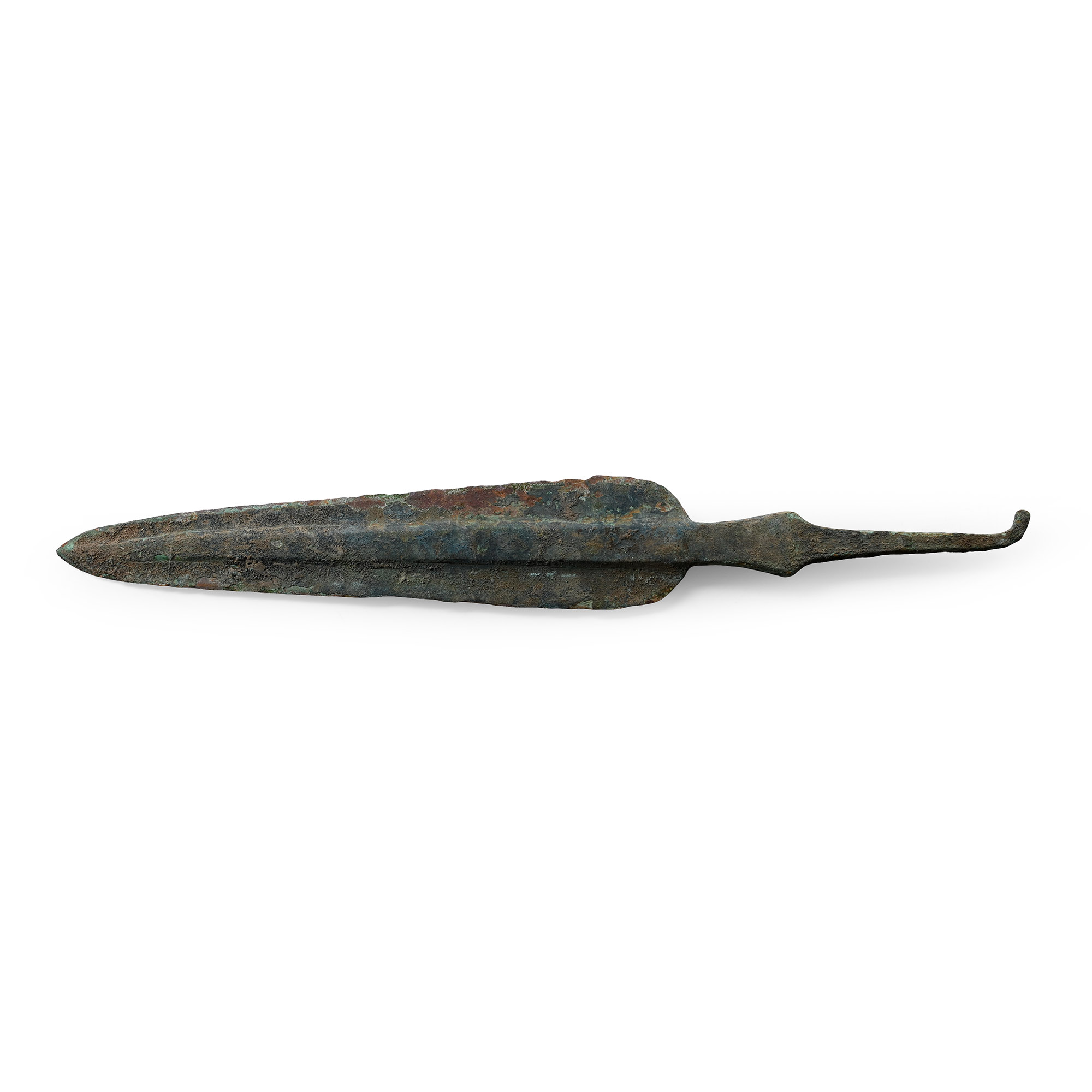
Luristan Bronze Tanged Spearhead
12TH-11TH CENTURY B.C.
14 in. (319 grams, 35.6 cm).
Leaf-shaped blade with a wide midrib extending towards the flaring shaft, a rectangular-section tang with bent finial.
ProvenanceEx Abelita collection, 1990s.
LiteratureSee Khorasani, M.M., Arms and Armour from Iran. The Bronze Age to the End of the Qajar Period, Tübingen, 2006, s. cat 280, for type.
CONDITIONTimeLine Auctions follows a vetting process to ensure the authenticity and legality of all items, reinforcing our commitment to integrity and responsible trading. Each antiquity, antique, and coin lot undergoes thorough examination by a vetting committee of at least ten external specialists, professional trade association members, scientists, and archaeologists: Our Vetting Process
AUCTIONS:
TimeLine is a leading auction house specialising in antiquities, ancient art, collectables, natural history, coins, medals, and books. Our auctions offer museums, collectors, historians, and enthusiasts the opportunity to acquire unique and historically significant pieces.
-
.jpg)
Viking Age Iron Bearded Axehead
Circa 9th-11th century A.D.Sold for (Inc. bp): £254
Broad blade with thickened edge, rounded socket with lateral triangular extensions. 269 grams, 13.5 cm
Ex North American collection, 1970s. -
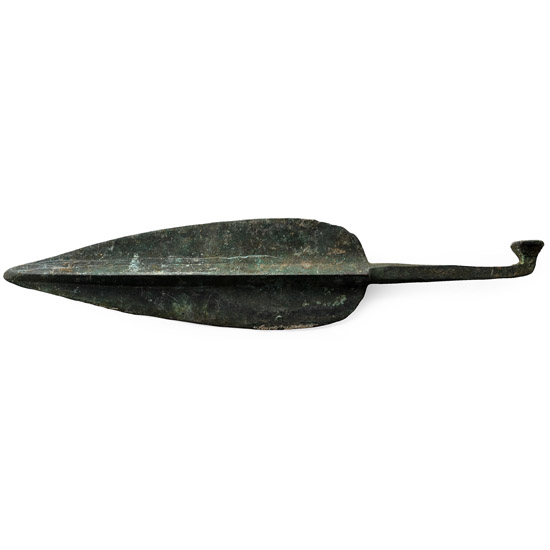
Western Asiatic Bronze Tanged Spearhead
14th-10th century B.C.Sold for (Inc. bp): £169
Leaf-shaped blade with raised midrib extending to the rectangular-section tang with a bent finial. 171 grams, 25.5 cm
Ex Abelita collection, 1990s. -
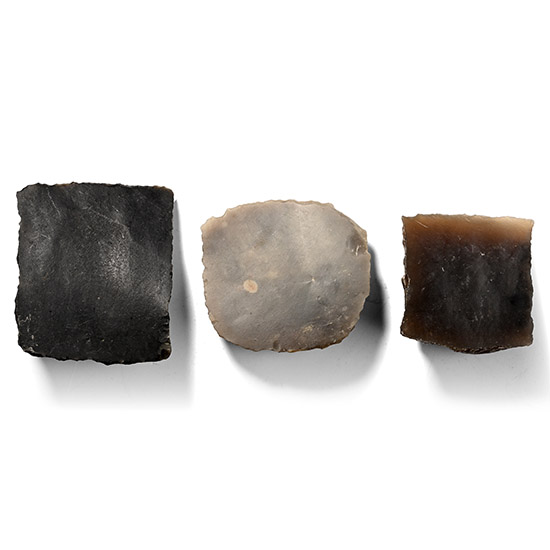
Knapped Musket Gun Flint Group
Circa 18th century A.D.Sold for (Inc. bp): £13
Comprising three gun flints, one tongue-shaped and the other two rectangular. 33.1 grams total, 29-36 mm
From the private collection of the late Mr M., a collector from Waterlooville, Hampshire, UK; late 1980s-early 1990s.
