
Loading, please wait...
LOT 1761
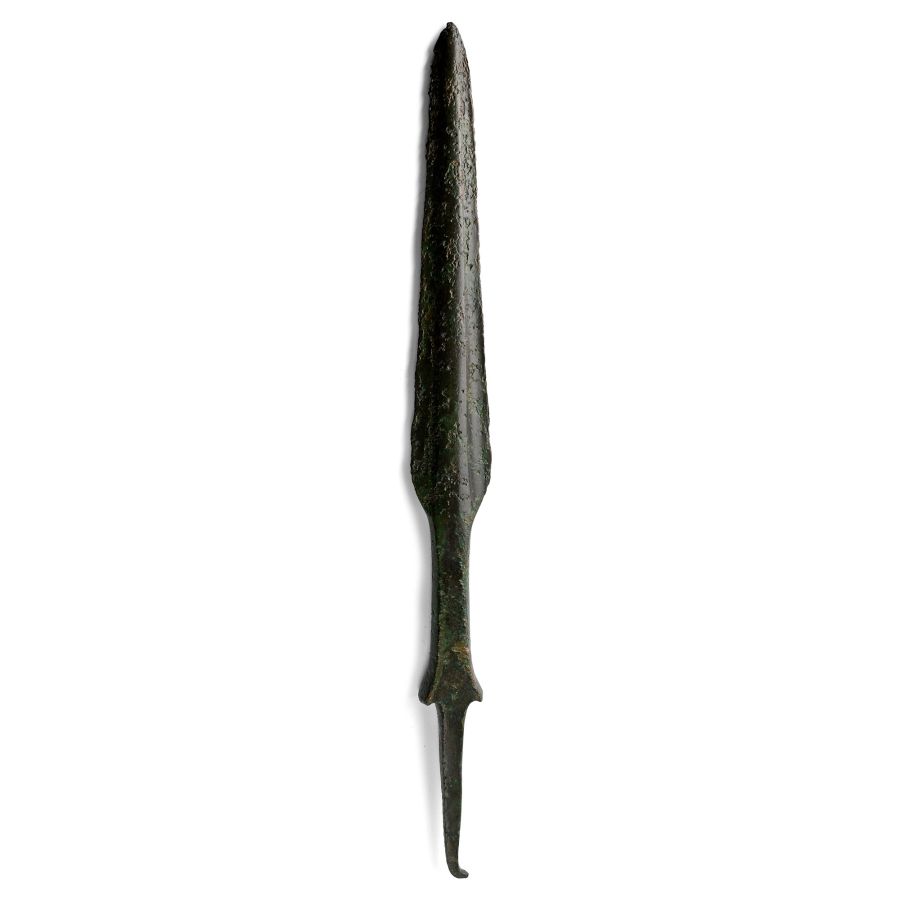
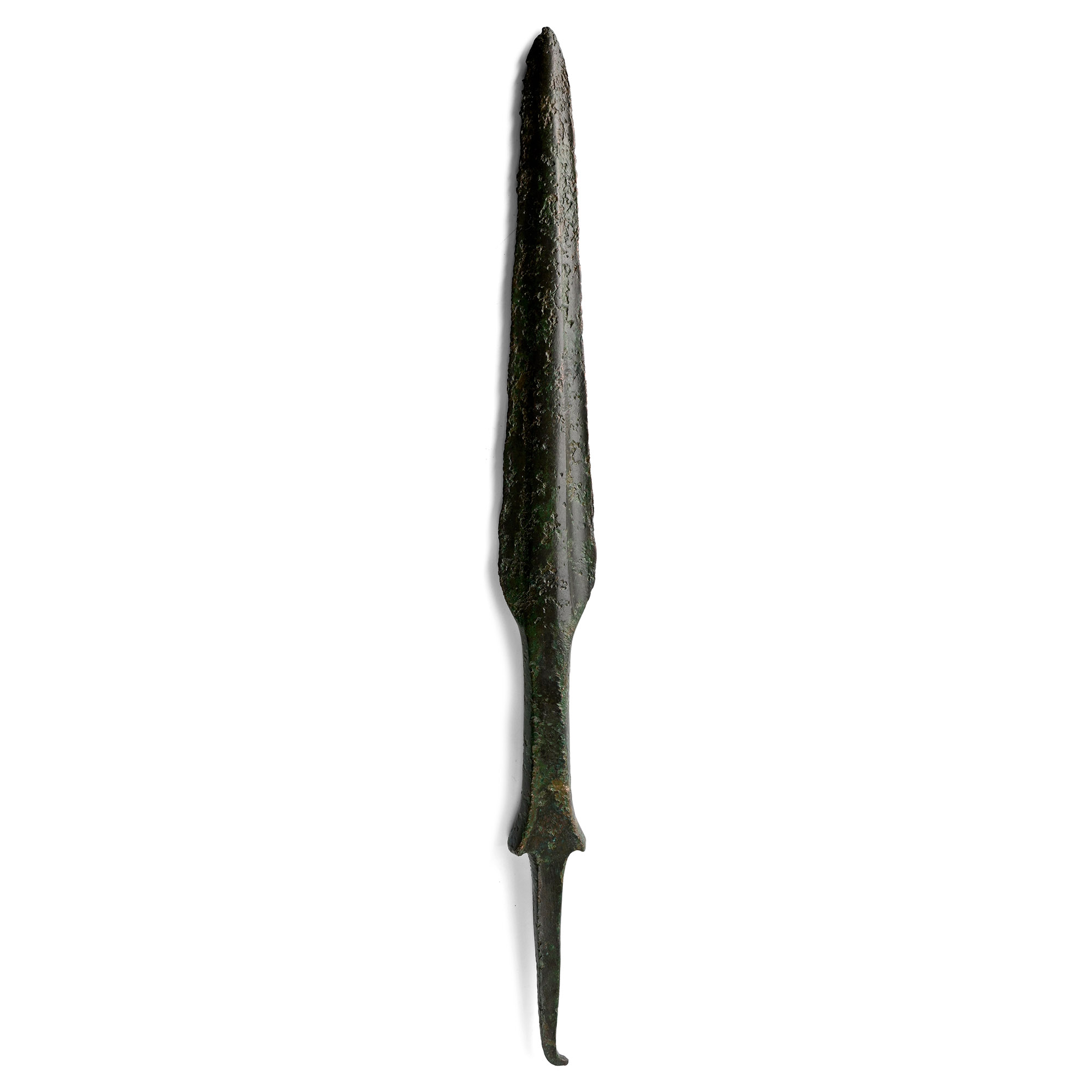
Luristan Bronze Spearhead
1200-1100 B.C.
15 3/4 in. (830 grams, 40 cm).
With an ovate blade, central rib and curved shoulders, the lozenge-section long shaft tapering towards the end, a rectangular tang with a bent tip.
ProvenanceEx Abelita family collection, 1980s-2000s.
LiteratureCf. Khorasani, M.M., Arms and Armour from Iran. The Bronze Age to the End of the Qajar Period, Tübingen, 2006, item 291, p.636.
FootnotesThe spearhead represents a slender variant of type 1 of the Khorasani classification. The type 1 was characterised by a bent tang. It was the evolution of a typology which began much earlier in Mesopotamia and the Fertile Crescent, the type 4 of the Stronach classification, with a straight tang and square section, usually thickened at the base with a button tang.
CONDITIONTimeLine Auctions follows a vetting process to ensure the authenticity and legality of all items, reinforcing our commitment to integrity and responsible trading. Each antiquity, antique, and coin lot undergoes thorough examination by a vetting committee of at least ten external specialists, professional trade association members, scientists, and archaeologists: Our Vetting Process
AUCTIONS:
TimeLine is a leading auction house specialising in antiquities, ancient art, collectables, natural history, coins, medals, and books. Our auctions offer museums, collectors, historians, and enthusiasts the opportunity to acquire unique and historically significant pieces.
-
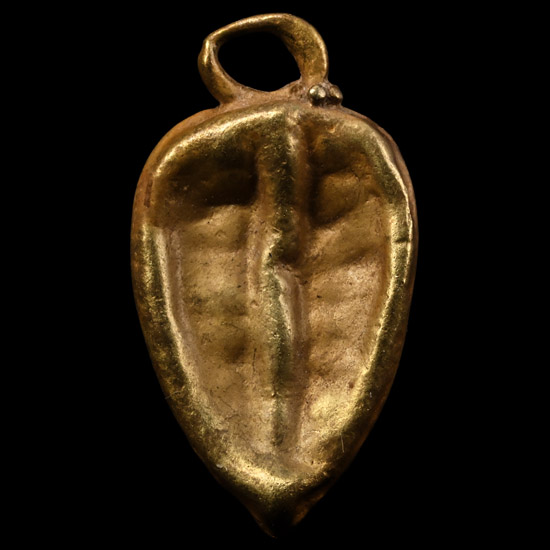
Western Asiatic Gold Heart-Shaped Pendant
1st millennium B.C.Sold for (Inc. bp): £52
Hollow-formed pendant with a raised mid-rib and edge on both sides. 0.56 grams, 13 mm
Ex private British collection, formed in the 1980s. Property of a West Northamptonshire, UK, gentleman. -
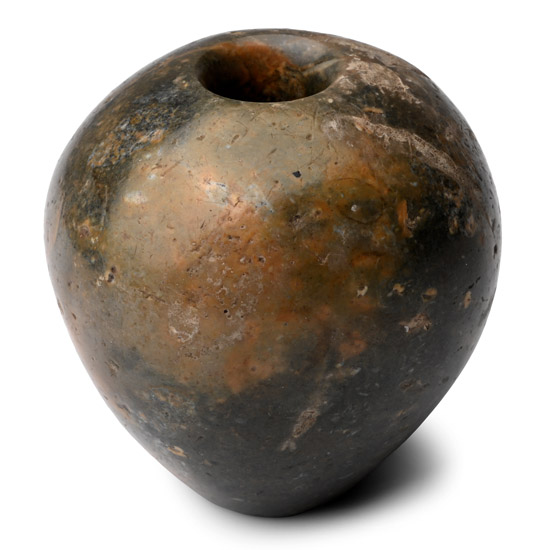
Mesopotamian Carved Stone Macehead
3rd-2nd millennium B.C.Estimate: £250 - 350 (+bp*)
Opening Bid: £125
Ovoid in form with a circular socket. 232 grams, 59 mm
Acquired in the late 1980s-early 1990s. Private collection, London. -
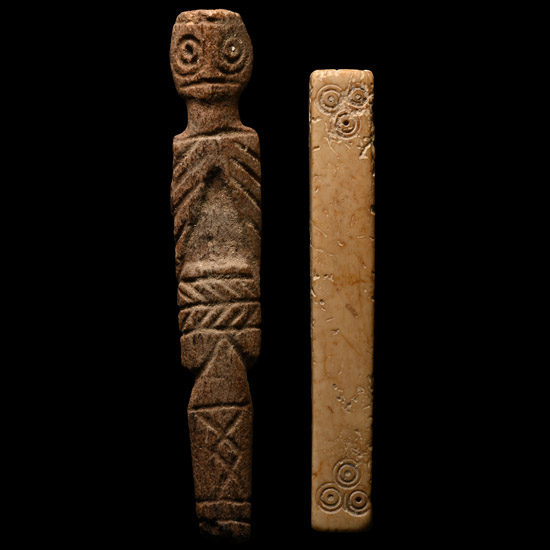
Western Asiatic Bone Idol Group
2nd century B.C.-2nd century A.D.Sold for (Inc. bp): £39
Comprising: figure of plano-convex section with hatched detailing; square-section bar with ring-and-dot motifs. 13.63 grams, 65.84-75.34 mm
From the private collection of a European gentleman (1942-2024), formed since the 1970s.
