
Loading, please wait...
LOT 1526
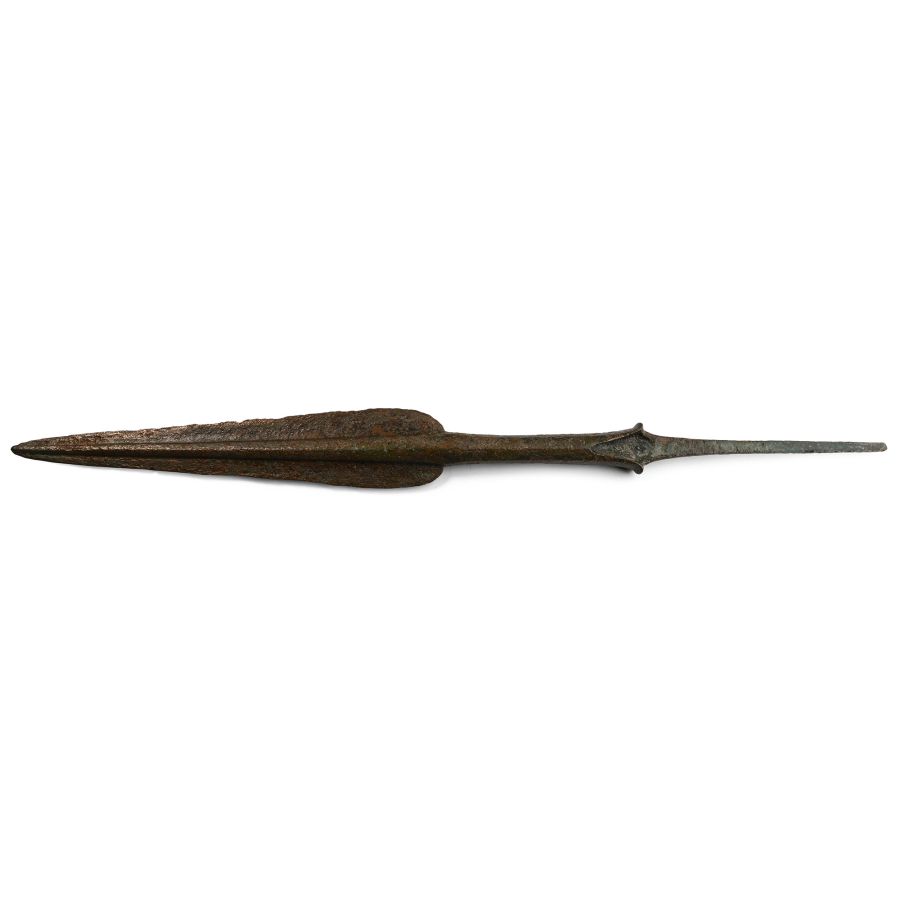
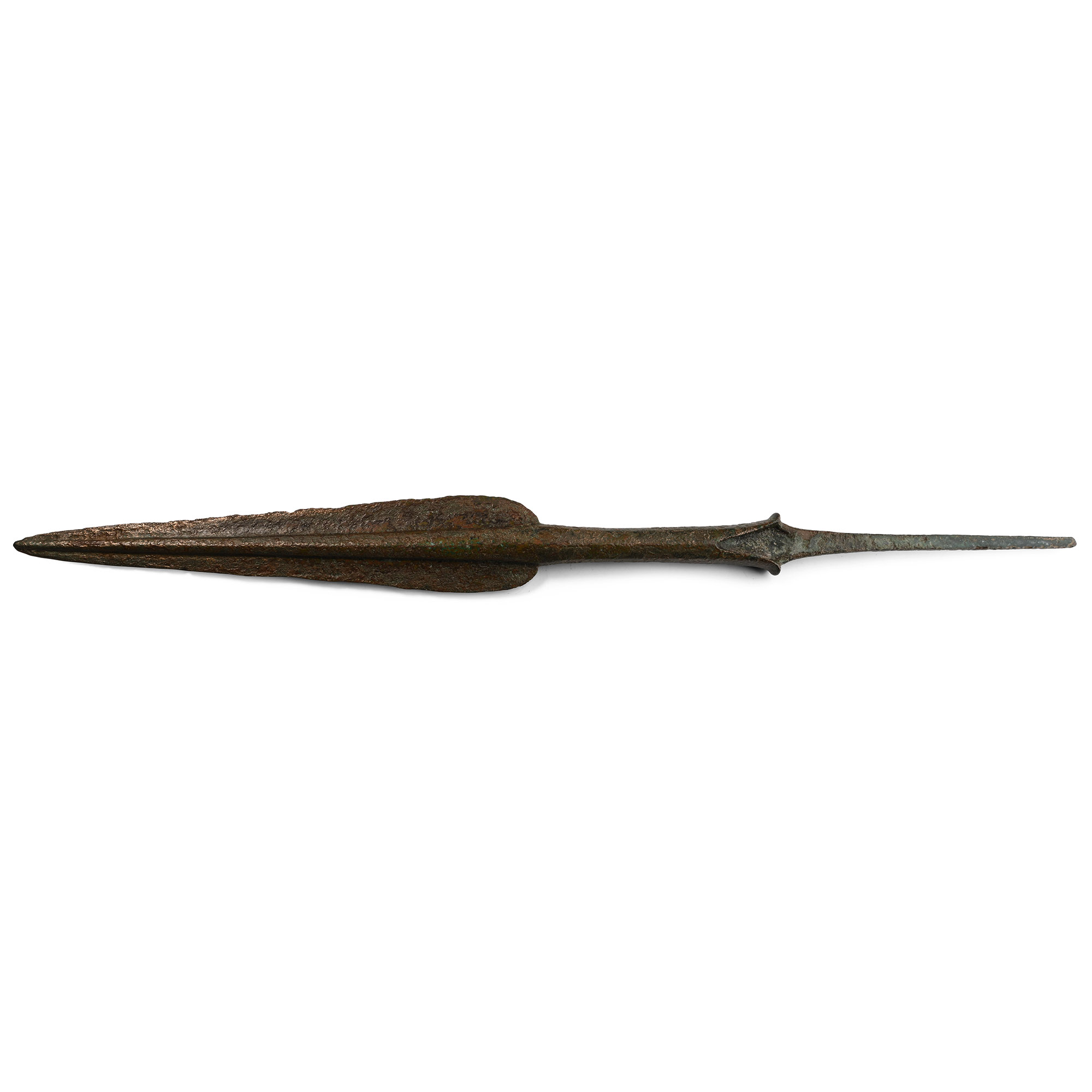
Luristan Bronze Spearhead
2ND-1ST MILLENNIUM B.C.
16 5/8 in. (331 grams, 42.3 cm).
Triangular in profile with rounded shoulders and thick square-section mid-rib running to the tip; short flared neck and square-section tang.
ProvenanceEx Abelita family collection, 1990s.
LiteratureCf. Khorasani, M.M., Arms and Armor from Iran: The Bronze Age to the End of the Qajar Period, Tübingen, 2006, p.628, no.275, for type.
CONDITIONTimeLine Auctions follows a vetting process to ensure the authenticity and legality of all items, reinforcing our commitment to integrity and responsible trading. Each antiquity, antique, and coin lot undergoes thorough examination by a vetting committee of at least ten external specialists, professional trade association members, scientists, and archaeologists: Our Vetting Process
AUCTIONS:
TimeLine is a leading auction house specialising in antiquities, ancient art, collectables, natural history, coins, medals, and books. Our auctions offer museums, collectors, historians, and enthusiasts the opportunity to acquire unique and historically significant pieces.
-
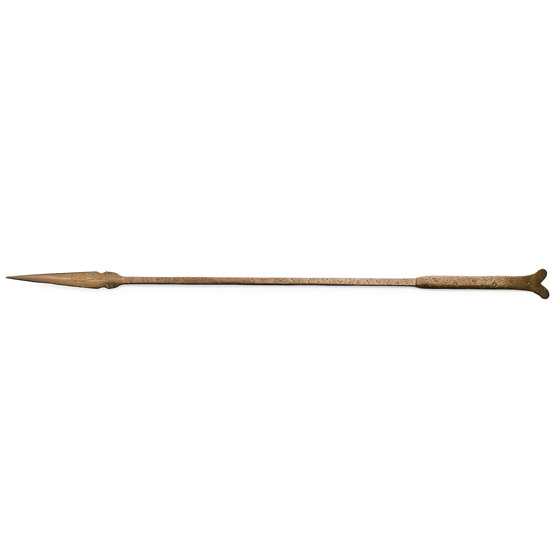
Indian Inscribed Ceremonial Brass Dart
Late 20th century A.D.Sold for (Inc. bp): £33
Comprising a rectangular-section shank with incised diagonal lines and punched pellets; narrow leaf-shaped blade with lateral flanches and notching; tail developing to lateral lobes with incised and punched ornament. 216 grsms, 60.5 cm
Property of a Berkshire, UK, gentleman collector. -
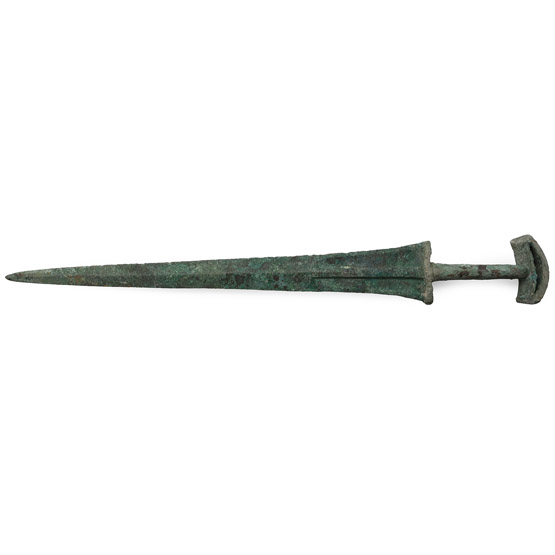
Luristan Bronze Short Sword
2nd-1st millennium B.C.Sold for (Inc. bp): £884
Triangular blade with single median rib, crescent-shaped hollow pommel open at the edges to accept an organic insert, columnar grip and lower guard at the juncture between hilt and blade. 499 grams, 50 cm
Ex Norri collection, Milton Keynes, Bedfordshire, UK, 1980s-1990s. -
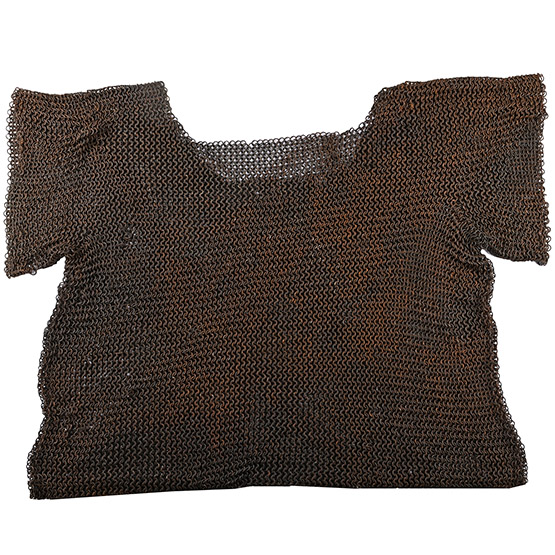
Medieval Warrior's Iron Chain Mail Armour Shirt
Circa 15th century A.D.Sold for (Inc. bp): £1,820
A butted short-sleeved chainmail shirt made of thick oval rings assembled in the usual system of one-to-four; in an excellent state of preservation, with over 95% of the rings intact, very few broken or corroded, with no later additions. 9.93 kg, 87 x 56 cm
Acquired on the German art market before 2000. Private collection, South Germany. Accompanied by an academic report by Dr Raffaele D'Amato. This lot has been checked against the Interpol Database of stolen works of art and is accompanied by search certificate no.13066-249665.
In the German-manufactured ring mail armours, in the 15th century A.D., the rings protecting the breast were very thick, whereas the sleeved mail armours were thinner. Master armourers from Nuremberg were famous for this production across Europe.
