
Loading, please wait...
LOT 1541
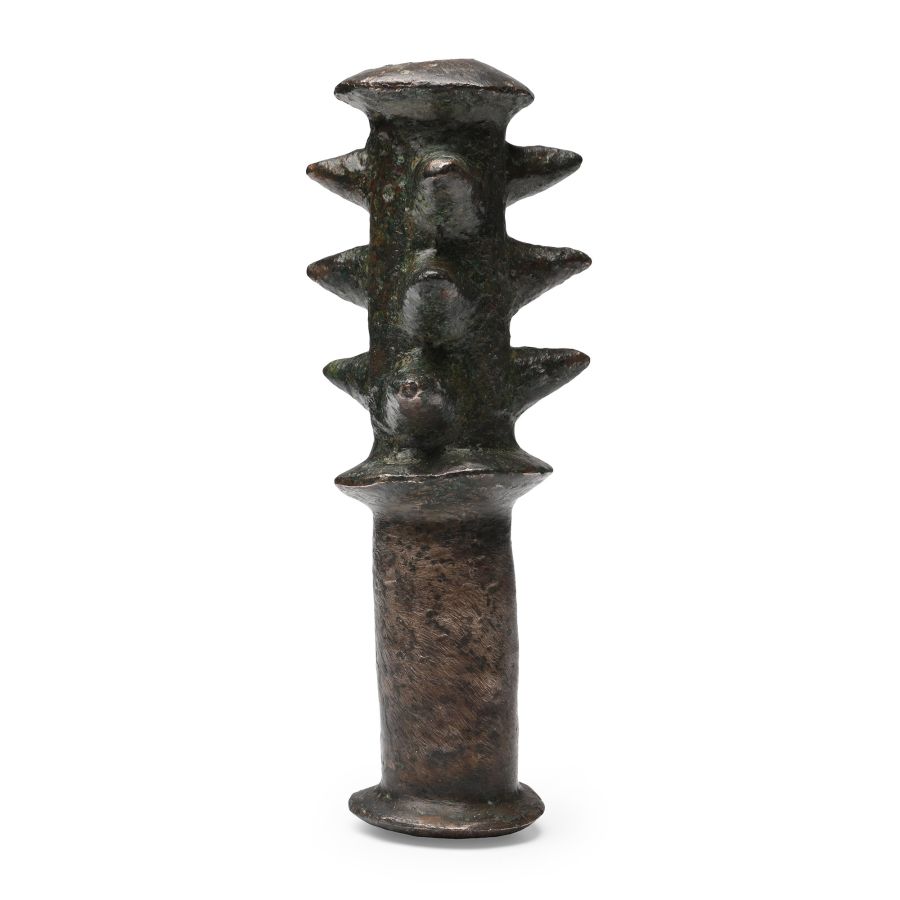
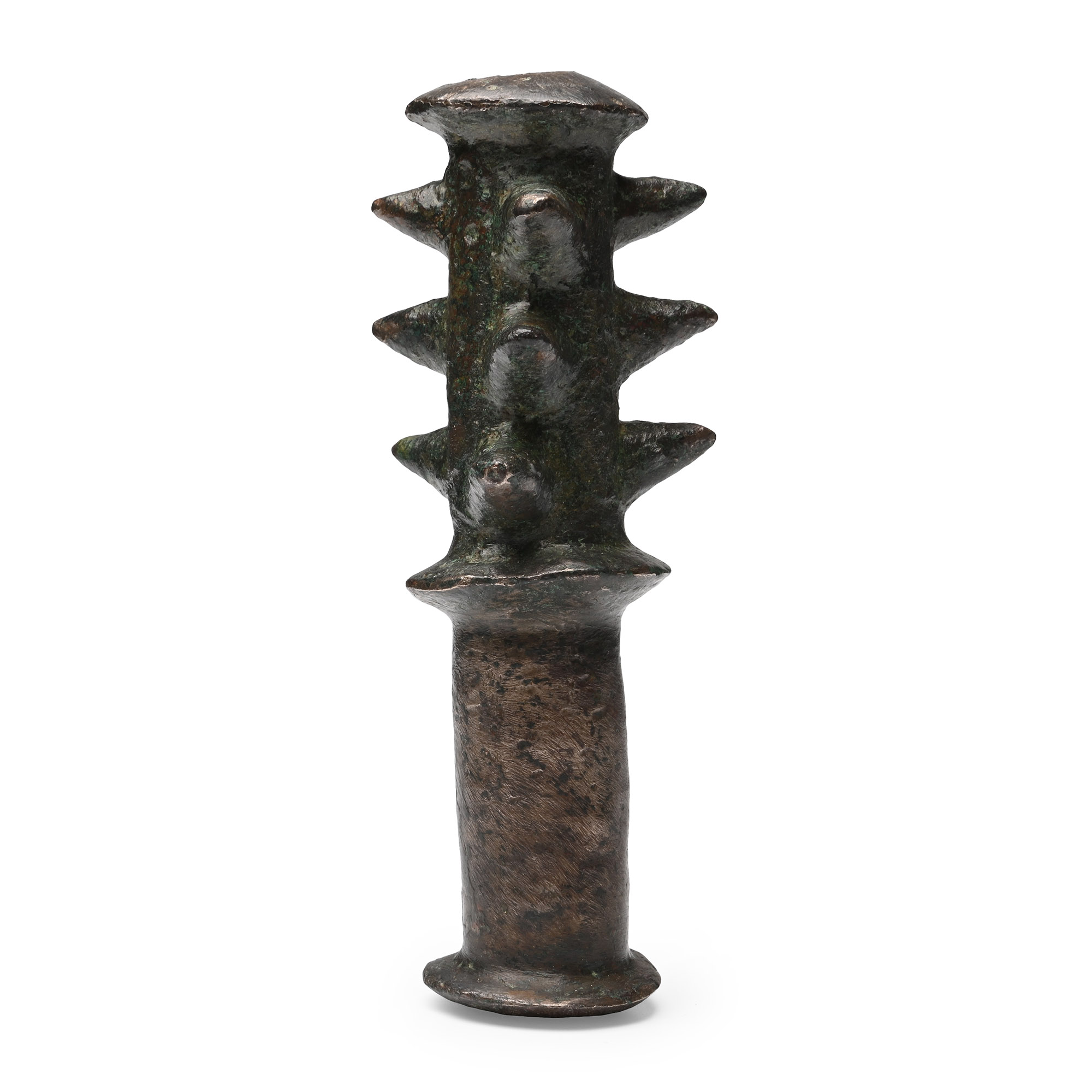
Luristan Bronze Socketted Macehead
2ND-1ST MILLENNIUM B.C.
4 7/8 in. (359 grams, 12.5 cm).
Cylindrical in plan, the upper section with vertical columns of three prominent spikes, short cylindrical shaft, flange rim to each end.
ProvenanceAcquired in the 1990s.
Ex Abelita family collection.
This lot is accompanied by an illustrated lot declaration signed by the Head of the Antiquities Department, Dr Raffaele D'Amato.
See Godard, A., Les Bronzes du Luristan, Paris, 1931, pl.XIX, no.58, for the type.
CONDITIONTimeLine Auctions follows a vetting process to ensure the authenticity and legality of all items, reinforcing our commitment to integrity and responsible trading. Each antiquity, antique, and coin lot undergoes thorough examination by a vetting committee of at least ten external specialists, professional trade association members, scientists, and archaeologists: Our Vetting Process
AUCTIONS:
TimeLine is a leading auction house specialising in antiquities, ancient art, collectables, natural history, coins, medals, and books. Our auctions offer museums, collectors, historians, and enthusiasts the opportunity to acquire unique and historically significant pieces.
-
.jpg)
Luristan Bronze Arrowhead Group
13th-6th century B.C.Sold for (Inc. bp): £234
Including leaf-shaped, ribbed, triangular and other tanged types. 407 grams total, 11.3-15.2 cm
Acquired 1980-2015. Ex Abelita family collection. This lot is accompanied by an illustrated lot declaration signed by the Head of the Antiquities Department, Dr Raffaele D’Amato. This lot is accompanied by an illustrated lot declaration signed by the Head of the Antiquities Department, Dr Raffaele D'Amato. -
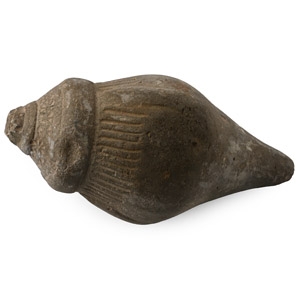
Turco-Mongol 'Greek Fire' Ceramic Fire Bomb or Hand Grenade
9th-11th century A.D.Sold for (Inc. bp): £72
Hollow vessel with piriform body, raised lugs on the shoulder with hatched banding in between the lugs, decorative band of rosettes beneath the domed mouth; intended to be filled with explosive liquid and a wick, and used as a hand grenade. 452 grams, 16 cm
From an important specialist collection, London, UK, 1990s onwards. This lot is accompanied by an illustrated lot declaration signed by the Head of the Antiquities Department, Dr Raffaele D'Amato. -
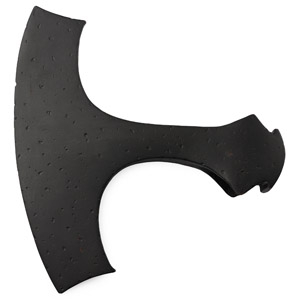
Viking Age Iron Curved T-Shaped Axehead
9th-12th century A.D.Sold for (Inc. bp): £468
With broad curved edge, slender neck, round flared socket with lateral wings to each face and round extension on the rear; professionally cleaned, conserved and restored. 482 grams, 17 cm
Very fine condition,
Ex property of a London businessman, from his grandfather's collection formed after World War II; thence by descent 1972. This lot is accompanied by an illustrated lot declaration signed by the Head of the Antiquities Department, Dr Raffaele D'Amato.
These axes are typical of Baltic workmanship. During this age, the axes were the favourite weapons of many Baltic people, including the Curonian army which included lightly armed soldiers who fought with spears, shields, fighting knives and axes. A heavily armed soldier could also carry a sword, a helmet, a shield, and a wide-bladed axe.
