
Loading, please wait...
LOT 1303
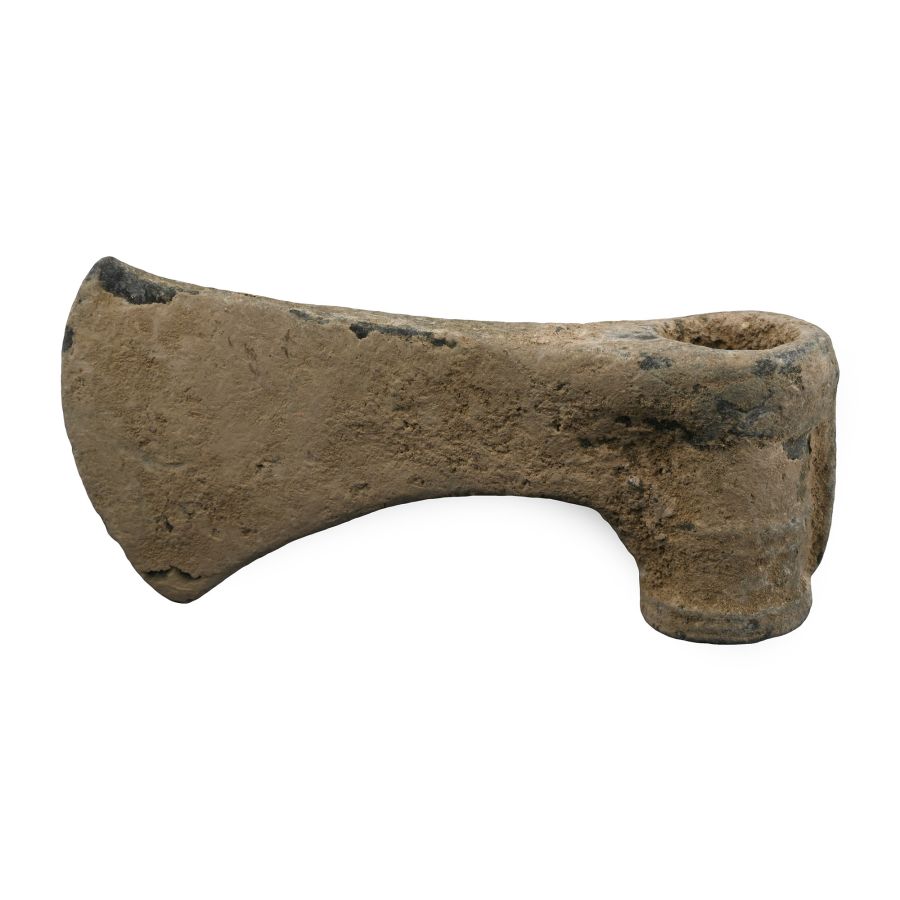
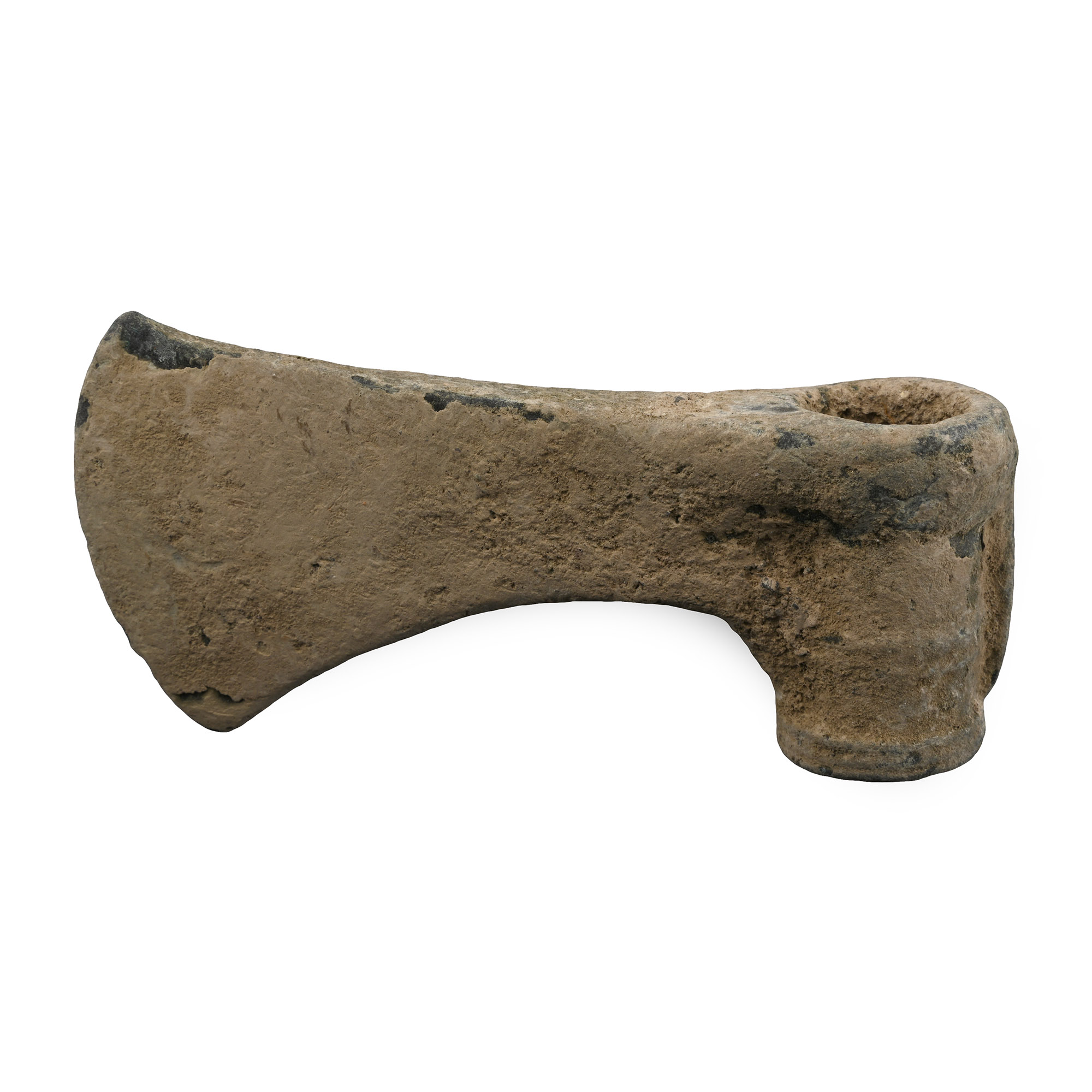
Luristan Bronze Socketted Axehead
2ND-1ST MILLENNIUM B.C.
4 7/8 in. (422 grams, 12.5 cm).
With convex cutting edge and round socket with three vertical ribs.
ProvenanceEx Abelita family collection, 1980s-2000s.
CONDITIONTimeLine Auctions follows a vetting process to ensure the authenticity and legality of all items, reinforcing our commitment to integrity and responsible trading. Each antiquity, antique, and coin lot undergoes thorough examination by a vetting committee of at least ten external specialists, professional trade association members, scientists, and archaeologists: Our Vetting Process
AUCTIONS:
TimeLine is a leading auction house specialising in antiquities, ancient art, collectables, natural history, coins, medals, and books. Our auctions offer museums, collectors, historians, and enthusiasts the opportunity to acquire unique and historically significant pieces.
-
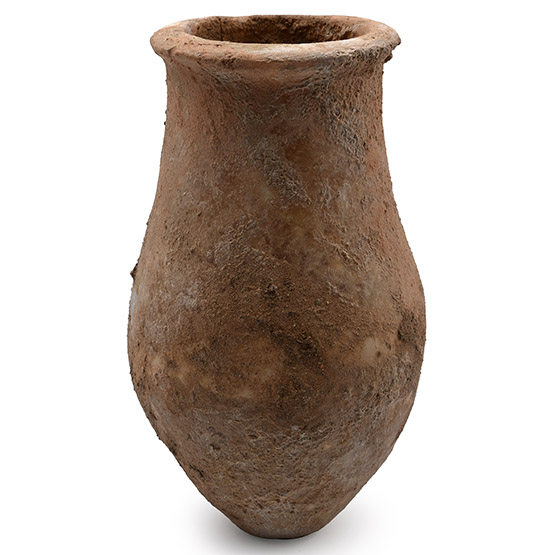
Mesopotamian Stone Vessel
1st millennium B.C.Estimate: £100 - 140 (+bp*)
Opening Bid: £50
Piriform in profile with rounded base, everted rim. 676 grams, 13.7 cm
From a collection formed before 1990. Ex Mayfair, London, UK, gallery, 2000s. -
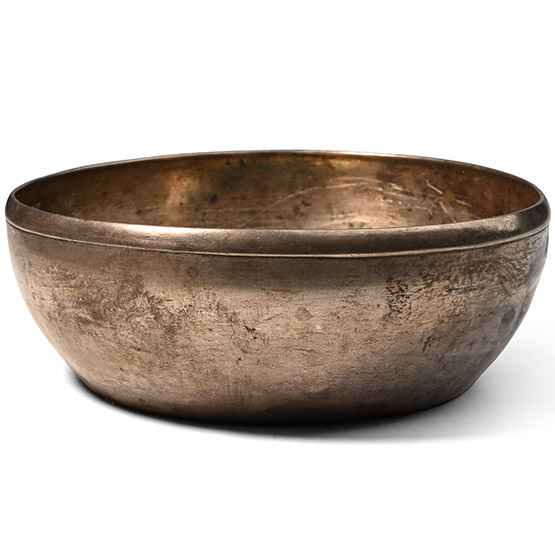
Indo-Parthian Silver Flat-Bottom Bowl
Circa late 1st century B.C.-early 1st century A.D.Estimate: £1,200 - 1,700 (+bp*)
Opening Bid: £600
Squat in profile with a gently domed base, curved sidewall with carination below the rim. 244 grams, 17 cm
Acquired from a private UK collection prior to 1979. Ex Julian Sherrier collection, a leading figure in Gandharan art. with Christie's, New York, sale 2337, 14th September 2010, no.51 (part). Accompanied by the original Christie's lot ticket and bar code label. -
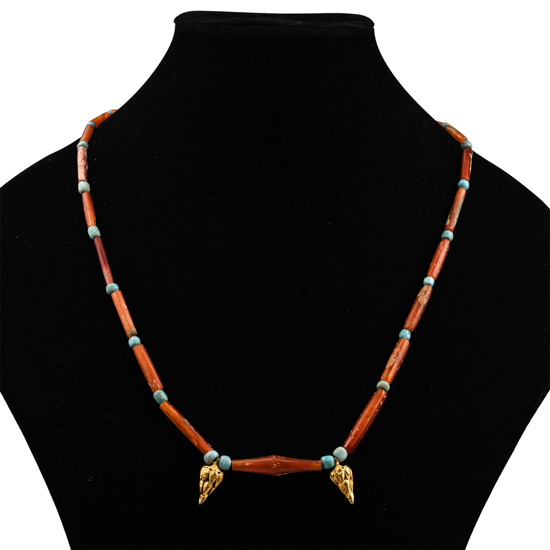
Western Asiatic Gold Necklace with Carnelian Beads and Gold Grape Pendants
1st-2nd century A.D.Estimate: £1,000 - 1,400 (+bp*)
Opening Bid: £500
Restrung group of tubular carnelian beads and turquoise spacer beads, with biconical centrepiece and two hollow-formed gold cluster drops. 26.12 grams, 59.5 cm
Acquired before 1983. Ex London gallery, 1990s. Private collection, London, UK.
