
Loading, please wait...
LOT 0861
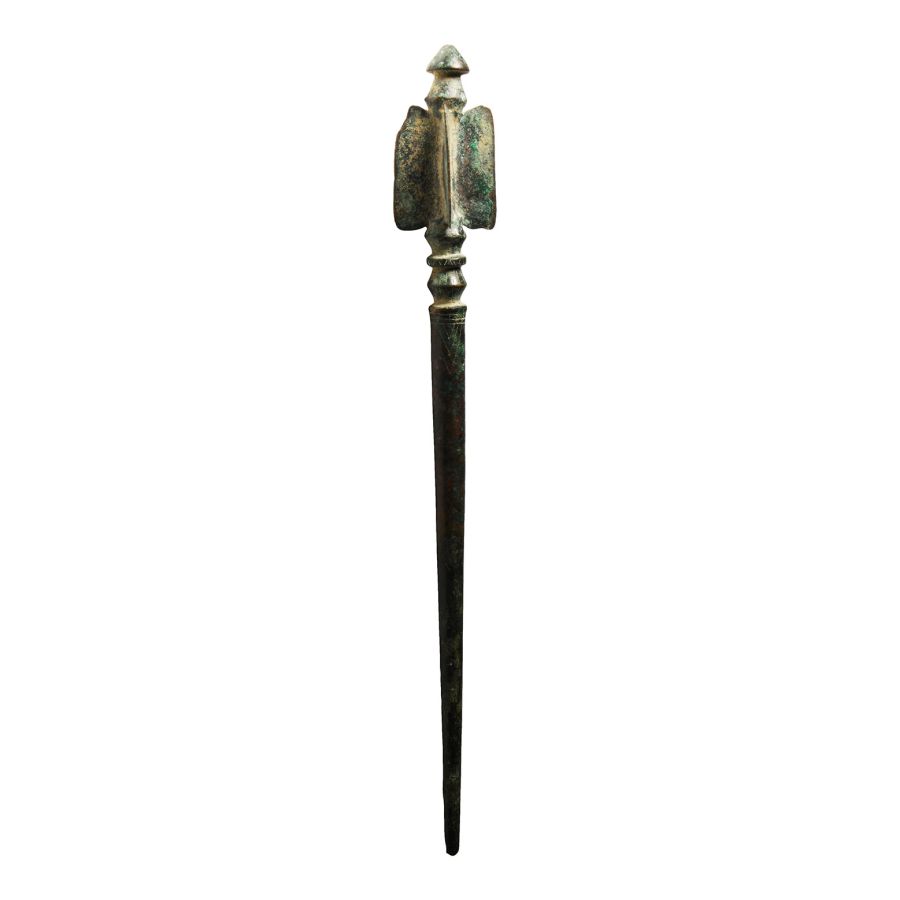
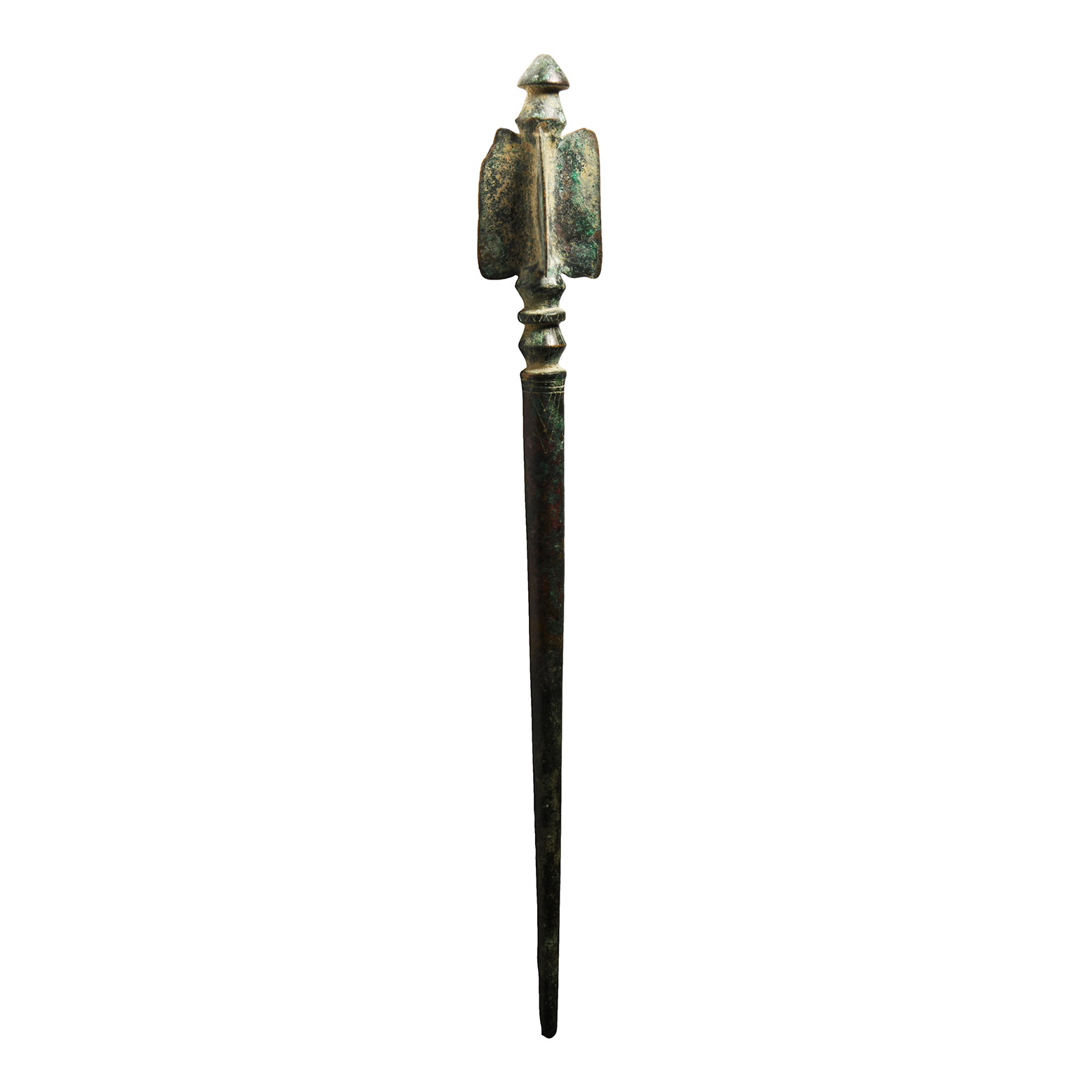
Luristan Bronze Pin with Fins
11TH-8TH CENTURY B.C.
7 3/4 in. (66 grams, 19.5 cm).
With a tapering stem, incised chevrons beneath the biconical collar, flanged head with conical finial. [No Reserve]
ProvenanceFrom a UK private collection, before 1980.
CONDITIONTimeLine Auctions follows a vetting process to ensure the authenticity and legality of all items, reinforcing our commitment to integrity and responsible trading. Each antiquity, antique, and coin lot undergoes thorough examination by a vetting committee of at least ten external specialists, professional trade association members, scientists, and archaeologists: Our Vetting Process
AUCTIONS:
TimeLine is a leading auction house specialising in antiquities, ancient art, collectables, natural history, coins, medals, and books. Our auctions offer museums, collectors, historians, and enthusiasts the opportunity to acquire unique and historically significant pieces.
-
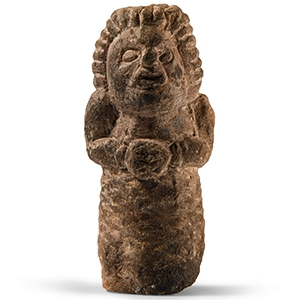
Nabataean Standing Stone Figure
Circa 1st century B.C.-1st century A.D. or laterSold for (Inc. bp): £286
The figure depicted with kyphosis and emphasised head; dressed hair and stylised facial features with high forehead and open mouth with full lips; arms held at waist level with crossed hands; dressed in a textured tunic. 149 grams, 97 mm
Acquired in the 1970s, thence by descent 2012. Private UK collection, Cambridge, UK. Property of an East Sussex, UK, gentleman. Old collection label to the base inscribed 'Petra'. -
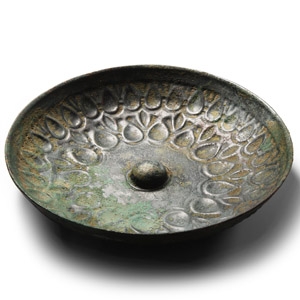
Achaemenid Bronze Phiale Mesomphalos
5th-4th century B.C.Estimate: £300 - 400 (+bp*)
Opening Bid: £150
With flanged rim, central mesomphalos boss surrounded by radiating lotus petals. 186 grams, 16.5 cm wide
From the collection of M. Cummings, UK, 1990s.
Phiale mesomphalos (literally: bowl with central boss) were the most popular form of vessel and were produced in a number of materials, including clay, bronze, silver and gold. They are a distinctive type of Achaemenid tableware, made by hammering or raising sheet metal, with decoration added in repoussé. They were used in banquets held by the nobility and for pouring libations at religious festivals. Phiales of this kind were a common gift from the Achaemenid king to the nobility which helped cement alliances among the different tribes of the Empire. The central boss to the underside allowed the user to secure their fingers and ensure a solid grip whilst drinking or pouring. -
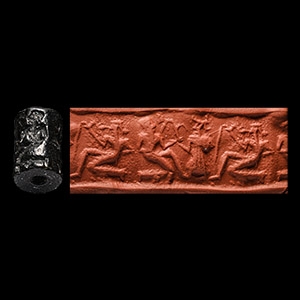
Western Asiatic Black Stone Cylinder Seal with Presentation Scene
2nd-1st millennium B.C.Estimate: £200 - 300 (+bp*)
Opening Bid: £100
Small cylinder with carved frieze of two kneeling warriors flanking a standing robed figure with headdress; supplied with a museum-quality impression. 2.69 grams, 15 mm
From a Cotswold, UK, collection, item no.121; as seen and catalogued by the late Professor Wilfrid George Lambert pre 1990.
The late W.G. Lambert was Professor of Assyriology at the University of Birmingham in the period 1970-1993.
