
Loading, please wait...

LOT 1279
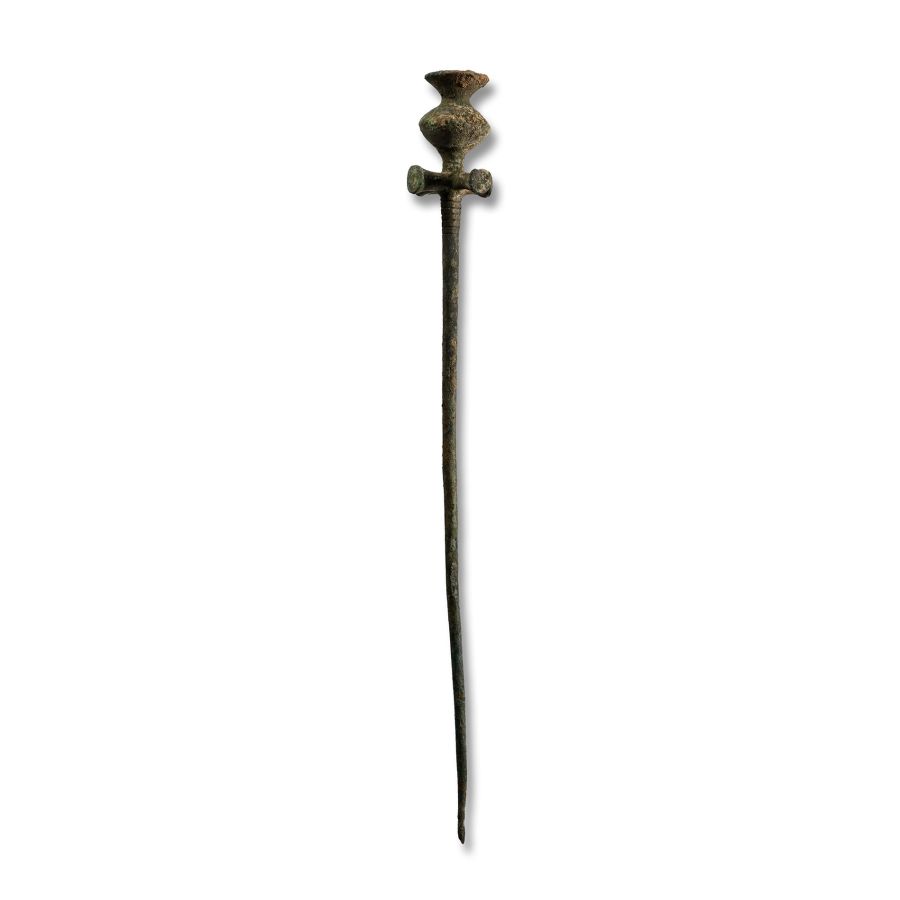
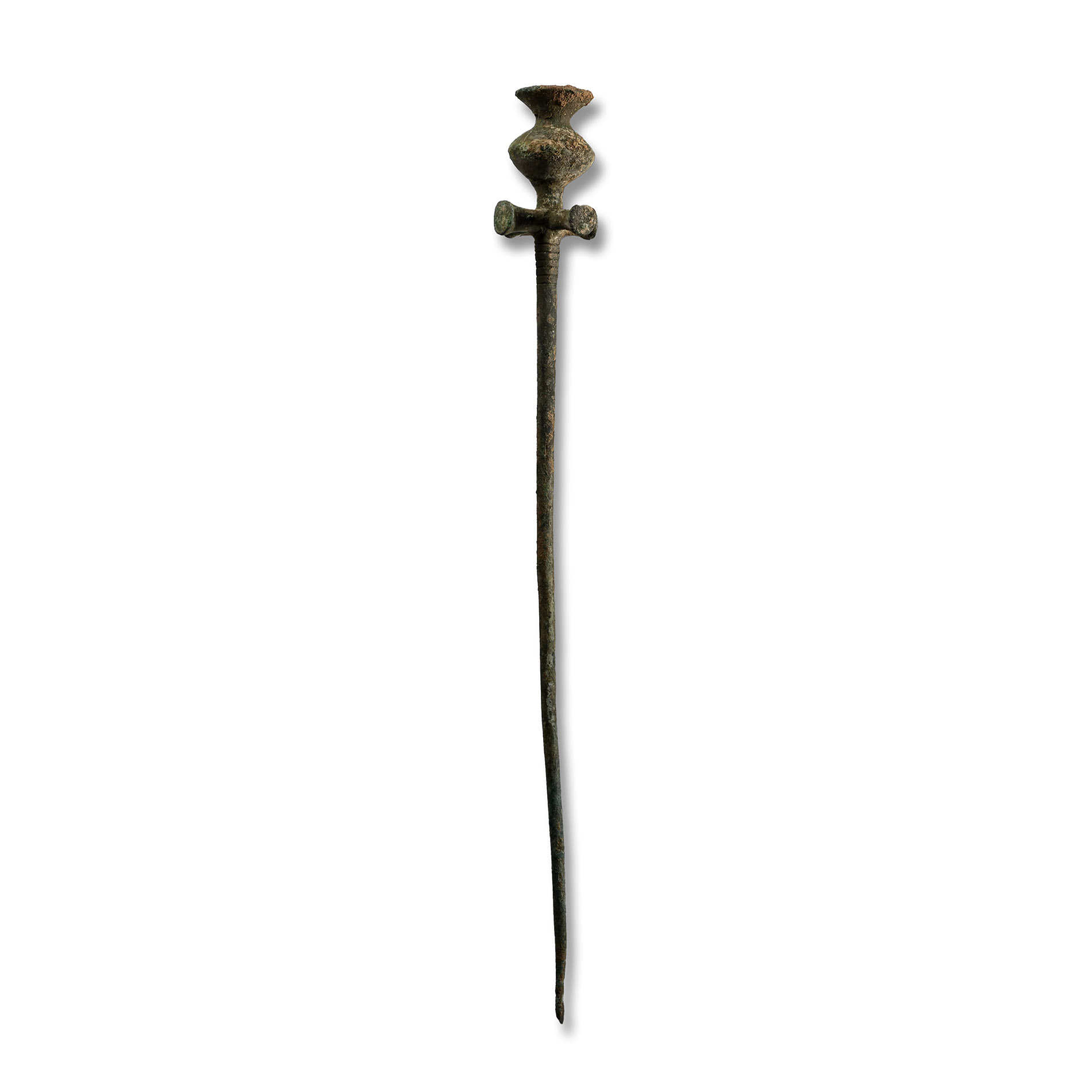
Luristan Bronze Pin with Decorative Head
13TH-6TH CENTURY B.C.
9 1/4 in. (70 grams, 23.5 cm).
Comprising a substantial round-sectioned pin with bulbous poppy-shaped head with four radiating conical arms below. [No Reserve]
ProvenanceAcquired 1980-2015.
Ex Abelita family collection.
This lot has been cleared against the Art Loss Register database, and is accompanied by an illustrated lot declaration signed by the Head of the Antiquities Department, Dr Raffaele D'Amato.
Cf. The Metropolitan Museum, accession number 51.44.2, for similar.
CONDITIONTimeLine Auctions follows a vetting process to ensure the authenticity and legality of all items, reinforcing our commitment to integrity and responsible trading. Each antiquity, antique, and coin lot undergoes thorough examination by a vetting committee of at least ten external specialists, professional trade association members, scientists, and archaeologists: Our Vetting Process
AUCTIONS:
TimeLine is a leading auction house specialising in antiquities, ancient art, collectables, natural history, coins, medals, and books. Our auctions offer museums, collectors, historians, and enthusiasts the opportunity to acquire unique and historically significant pieces.
-
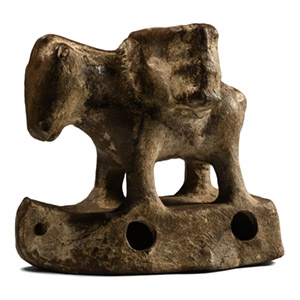
Azerbaijani Terracotta Children's Toy Donkey
1st millennium B.C.Estimate: £700 - 900 (+bp*)
Opening Bid: £275
Modelled in the round with head down, halter to the shoulders and spine supporting panniers open to the upper face; heater-shaped base with raised spur to the apex and transverse hole, circular piercings to the sides. 347 grams, 15.1 cm wide
with a London, UK gallery 1971-early 2000s. This lot has been checked against the Interpol Database of stolen works of art and is accompanied by a search certificate number no.12126-217308. This lot has been cleared against the Art Loss Register database, and is accompanied by an illustrated lot declaration signed by the Head of the Antiquities Department, Dr Raffaele D'Amato. -
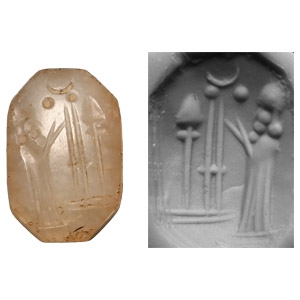
Babylonian Chalcedony Stamp Seal with Cultic Scene
7th-6th century B.C.Sold for (Inc. bp): £130
Tall, facetted body pierced through the top, underside with a worshipping scene showing a robed figure before an altar with his hand raised in adoration, crescent moon above with two drilled pellets beneath the moon. 6.68 grams, 21 mm
UK private collection before 2000. Acquired on the UK art market. Property of a London gentleman. This lot has been cleared against the Art Loss Register database, and is accompanied by an illustrated lot declaration signed by the Head of the Antiquities Department, Dr Raffaele D'Amato. -
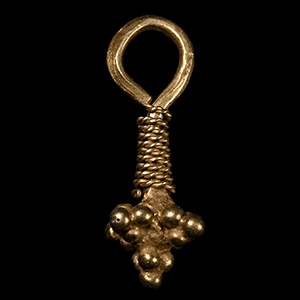
Western Asiatic Gold Ornamental Pendant
1st millennium B.C.Sold for (Inc. bp): £260
Comprising a long shank with a loop above and applied filigree wire to the main body, globular finial with applied pellet pyramids. 2.84 grams, 25 mm
Ex property of a late Japanese collector, 1970-2000s. This lot has been cleared against the Art Loss Register database, and is accompanied by an illustrated lot declaration signed by the Head of the Antiquities Department, Dr Raffaele D'Amato.
