
Loading, please wait...
LOT 1272
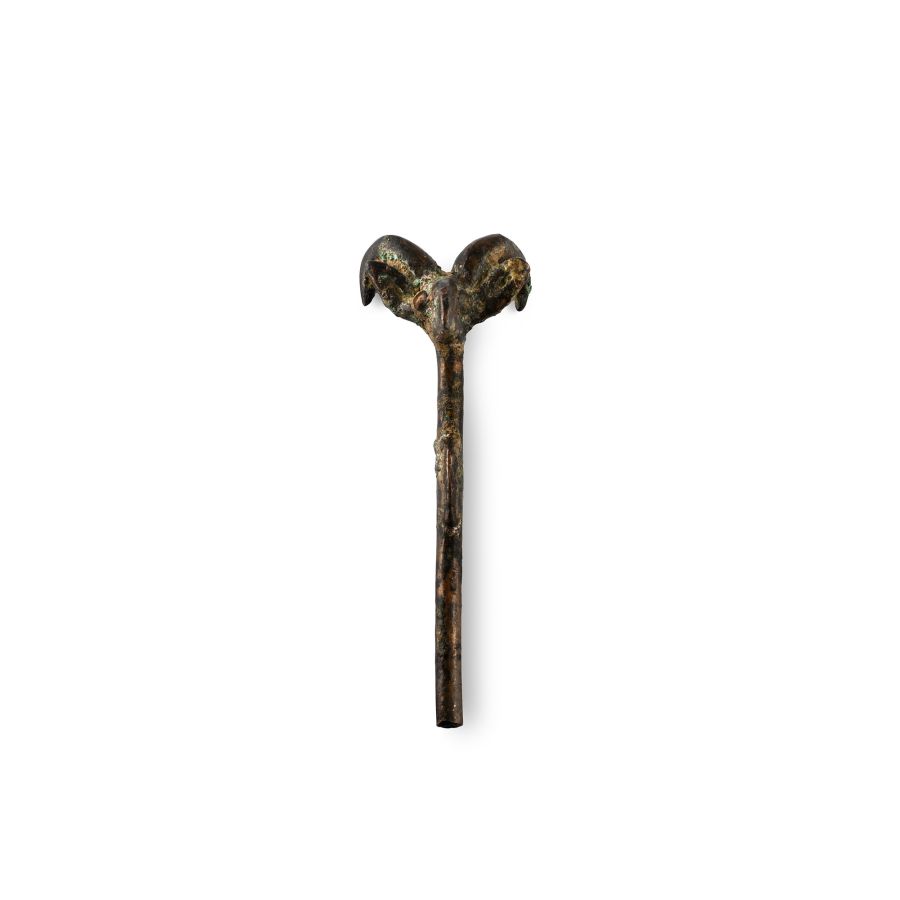
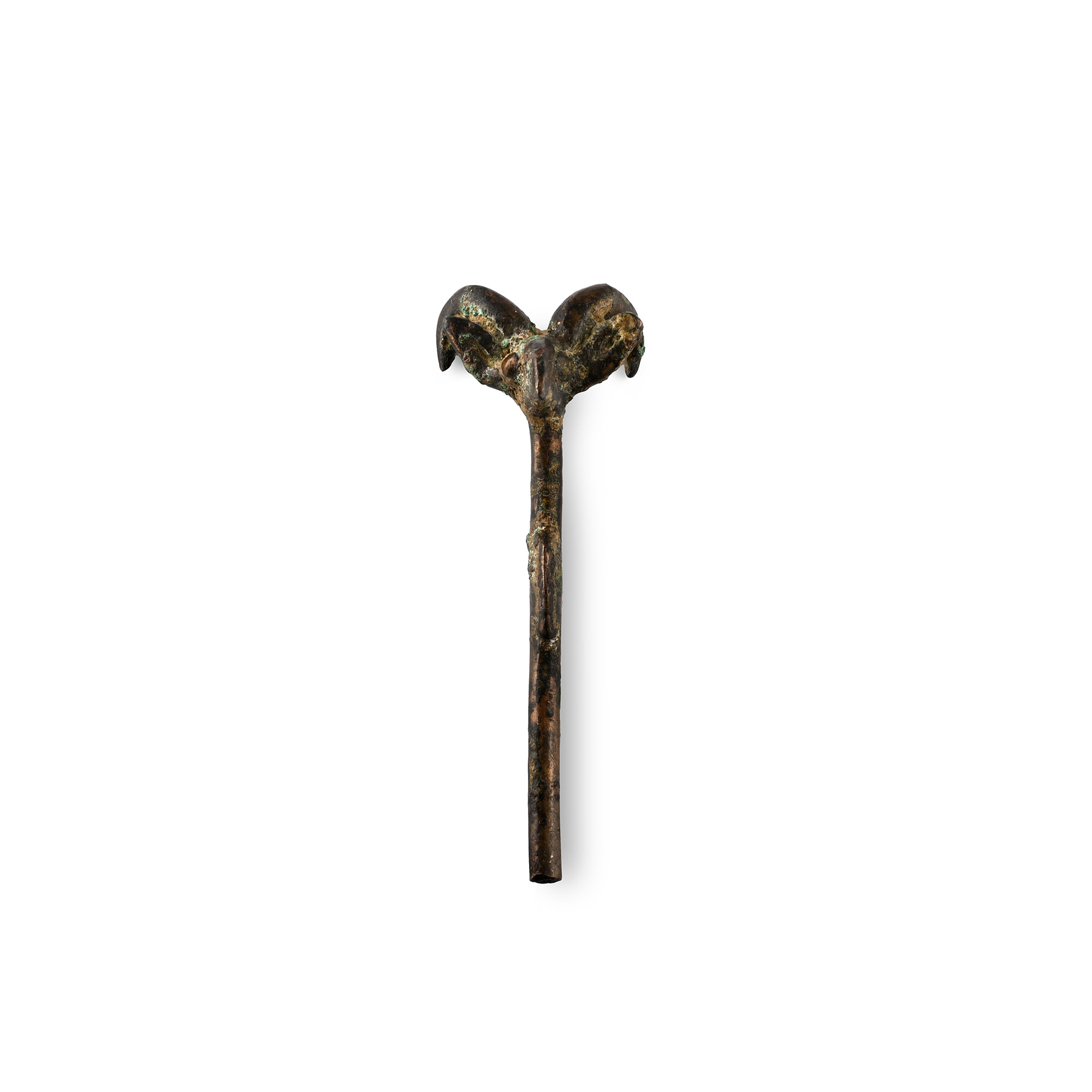
Luristan Bronze Pin Head with Ibex
2ND-1ST MILLENNIUM B.C.
2 3/4 in. (15.3 grams, 70 mm).
Round-section pin with stylised ibex-head finial having long, curving horns and pellet eyes. [No Reserve]
ProvenanceAcquired on the UK art market.
Property of an East Anglia private collector.
This lot has been cleared against the Art Loss Register database, and is accompanied by an illustrated lot declaration signed by the Head of the Antiquities Department, Dr Raffaele D'Amato.
TimeLine Auctions follows a vetting process to ensure the authenticity and legality of all items, reinforcing our commitment to integrity and responsible trading. Each antiquity, antique, and coin lot undergoes thorough examination by a vetting committee of at least ten external specialists, professional trade association members, scientists, and archaeologists: Our Vetting Process
AUCTIONS:
TimeLine is a leading auction house specialising in antiquities, ancient art, collectables, natural history, coins, medals, and books. Our auctions offer museums, collectors, historians, and enthusiasts the opportunity to acquire unique and historically significant pieces.
-
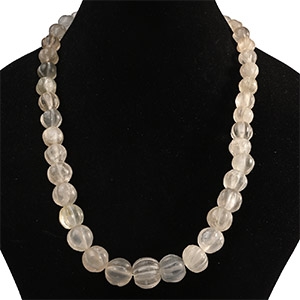
Western Asiatic Rock Crystal Bead Necklace String
20th century A.D.Sold for (Inc. bp): £104
Composed of graduated melon beads; restrung. 190 grams, 53 cm
From the London, UK, art market in the 1990s. This lot has been cleared against the Art Loss Register database, and is accompanied by an illustrated lot declaration signed by the Head of the Antiquities Department, Dr Raffaele D'Amato. -
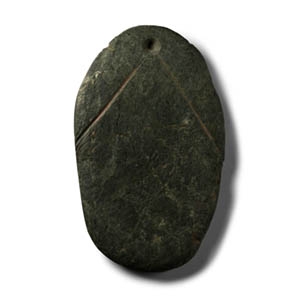
Western Asiatic Schematic Green Schist Idol
3rd-2nd millennium B.C.Estimate: £200 - 300 (+bp*)
Opening Bid: £100
Ellipsoid in plan with drilled socket to one end and radiating grooves. 26.3 grams, 61 mm
Ex Galerie Dominique Thirion, Brussels, Belgium. From the private collection of Mr K.A. This lot has been cleared against the Art Loss Register database, and is accompanied by an illustrated lot declaration signed by the Head of the Antiquities Department, Dr Raffaele D'Amato. -
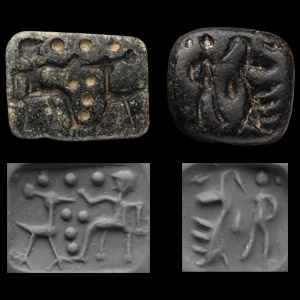
Western Asiatic Stone Stamp Seal Group
3rd-2nd millennium B.C.Sold for (Inc. bp): £195
Comprising: rectangular plate with man and horse scene; rounded plate with man and bird; each supplied with a museum-quality impression. 28.8 grams total, 25 mm each
From the private collection of a Canadian gentleman living in Essex, UK, formed since the 1920s-circa 1990. Property of an Essex lady until the late 1990s; thence by descent. From the private collection of an Essex gentleman since the late 1990s. This lot has been cleared against the Art Loss Register database, and is accompanied by an illustrated lot declaration signed by the Head of the Antiquities Department, Dr Raffaele D'Amato.
