
Loading, please wait...
LOT 1558
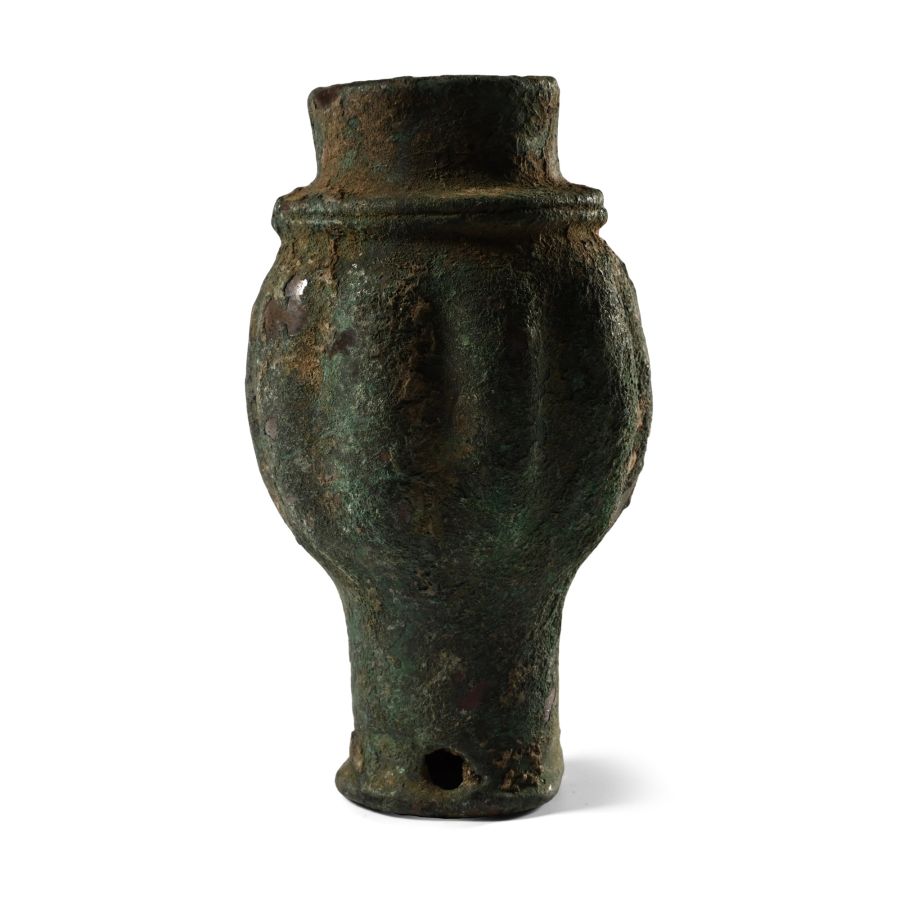
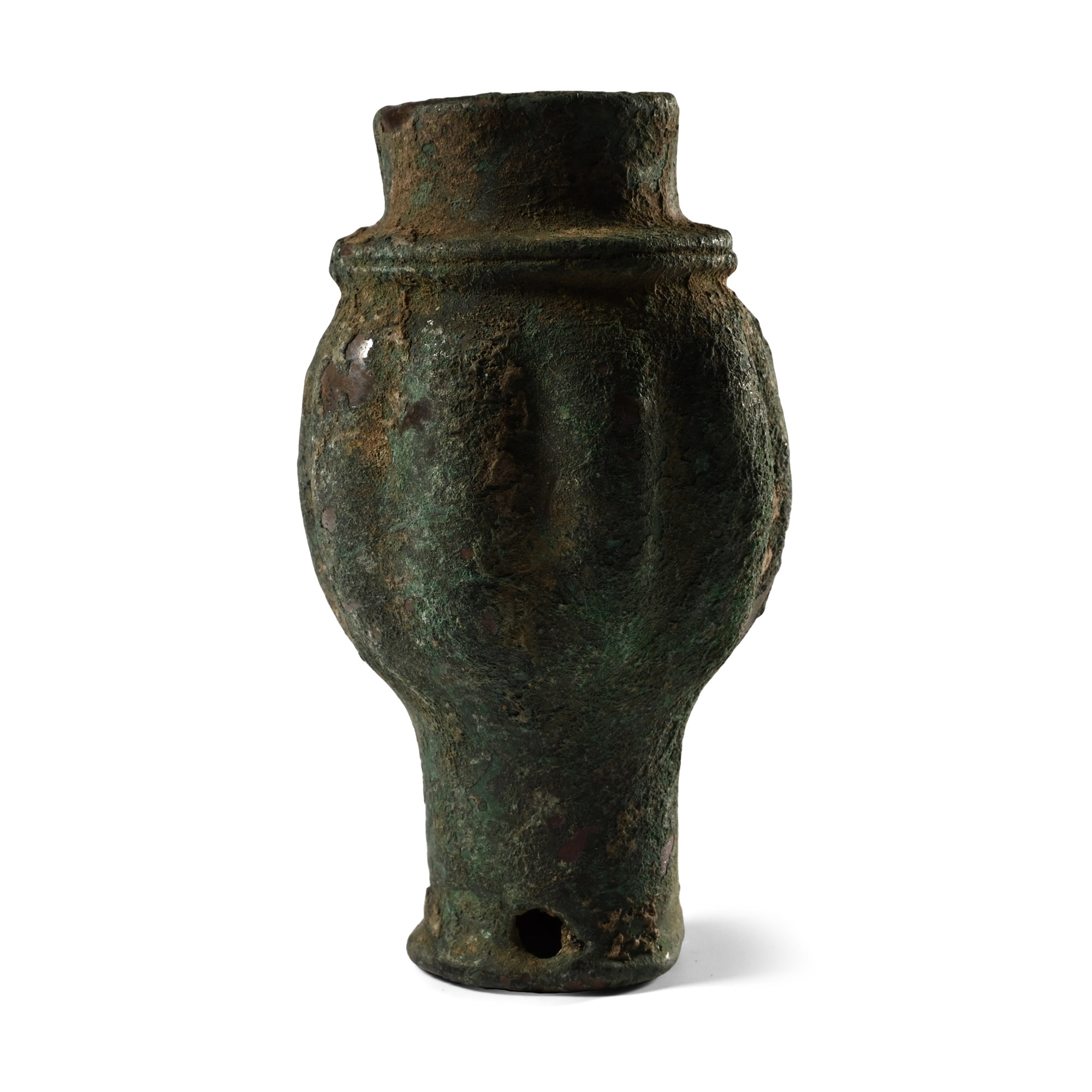
Luristan Bronze Macehead
13TH-7TH CENTURY B.C.
3 7/8 in. (416 grams, 98 mm).
Comprising a cylindrical shaft with flared mouth, rounded flanges around the swollen head, horizontal stepped bands; Sara Gorz type. [No Reserve]
ProvenanceAcquired 1980-2015.
Ex Abelita family collection.
Cf. Musé Cernuschi, Bronzes du Luristan: Enigmes De L'Iran Ancien IIIe-Ier millénaire ac. j.-c., Paris musées, 2008, p.103, for type.
CONDITIONTimeLine Auctions follows a vetting process to ensure the authenticity and legality of all items, reinforcing our commitment to integrity and responsible trading. Each antiquity, antique, and coin lot undergoes thorough examination by a vetting committee of at least ten external specialists, professional trade association members, scientists, and archaeologists: Our Vetting Process
AUCTIONS:
TimeLine is a leading auction house specialising in antiquities, ancient art, collectables, natural history, coins, medals, and books. Our auctions offer museums, collectors, historians, and enthusiasts the opportunity to acquire unique and historically significant pieces.
-
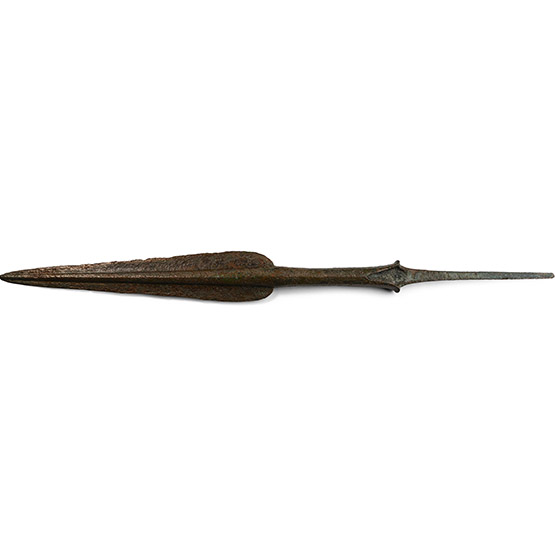
Luristan Bronze Spearhead
2nd-1st millennium B.C.Sold for (Inc. bp): £208
Triangular in profile with rounded shoulders and thick square-section mid-rib running to the tip; short flared neck and square-section tang. 331 grams, 42.3 cm
Ex Abelita family collection, 1990s. -
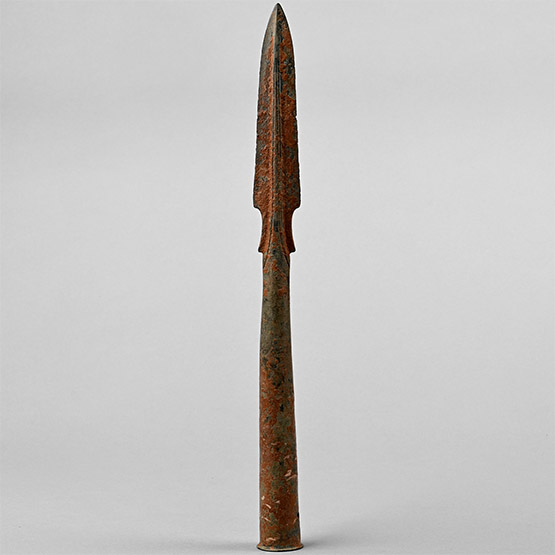
Chinese Zhou Bronze Socketted Spearhead
Zhou Dynasty, 1046-256 B.C.Estimate: £450 - 650 (‡+bp*)
Opening Bid: £250
With thick midrib, leaf-shaped blade with lateral spurs, deep tubular socket with fastening hole for the attachment to the wooden shaft. 250 grams, 32 cm
Acquired in the mid 1980s-1990s. Private collection, Switzerland, thence by descent. Private collection, since the late 1990s. -
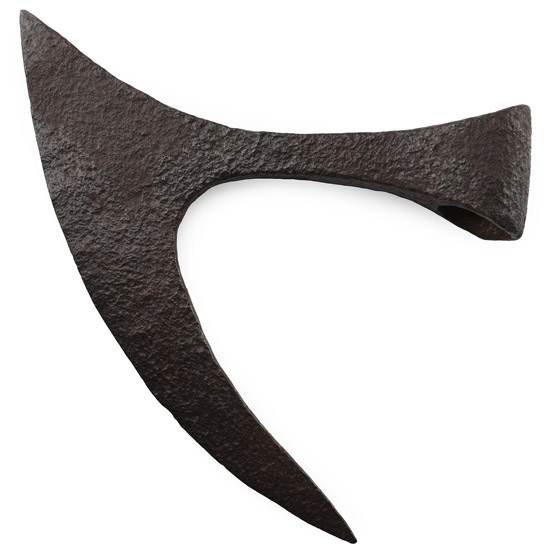
Viking Hooked Iron Axehead
Circa 9th-11th century A.D.Sold for (Inc. bp): £442
With broad curved blade and pointed chin, tapering neck, deep socket. 366 grams, 20.1 cm
Ex North American private collection, 1970s.
