
Loading, please wait...
LOT 0317
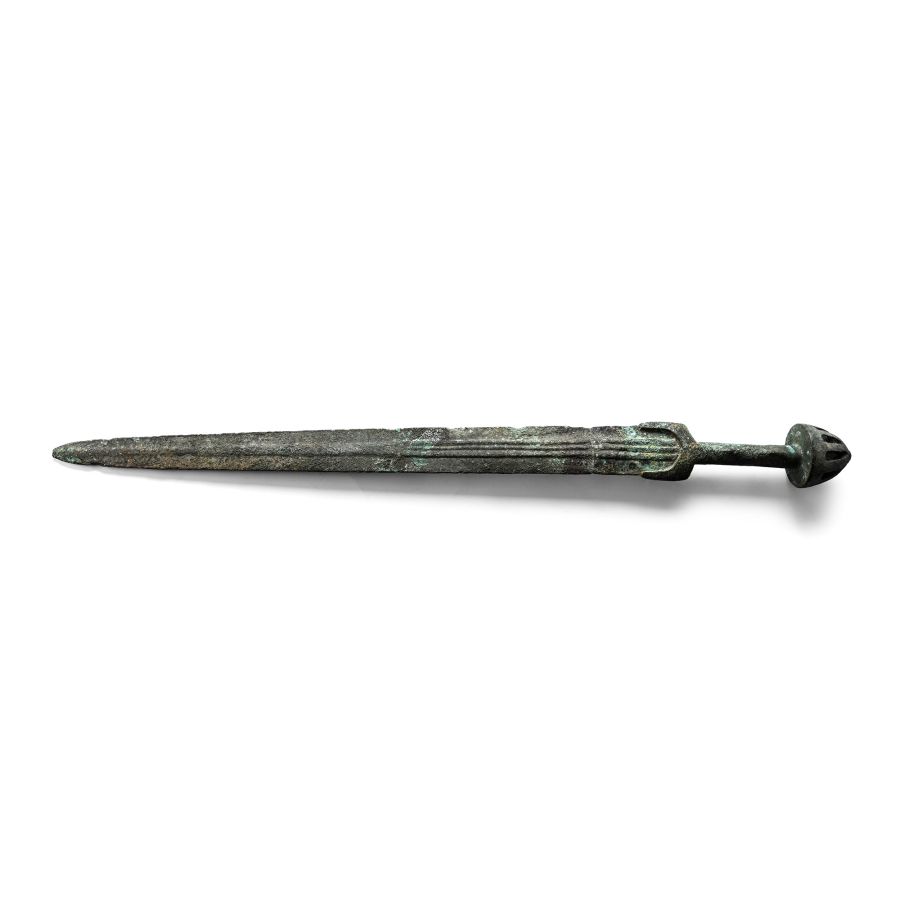
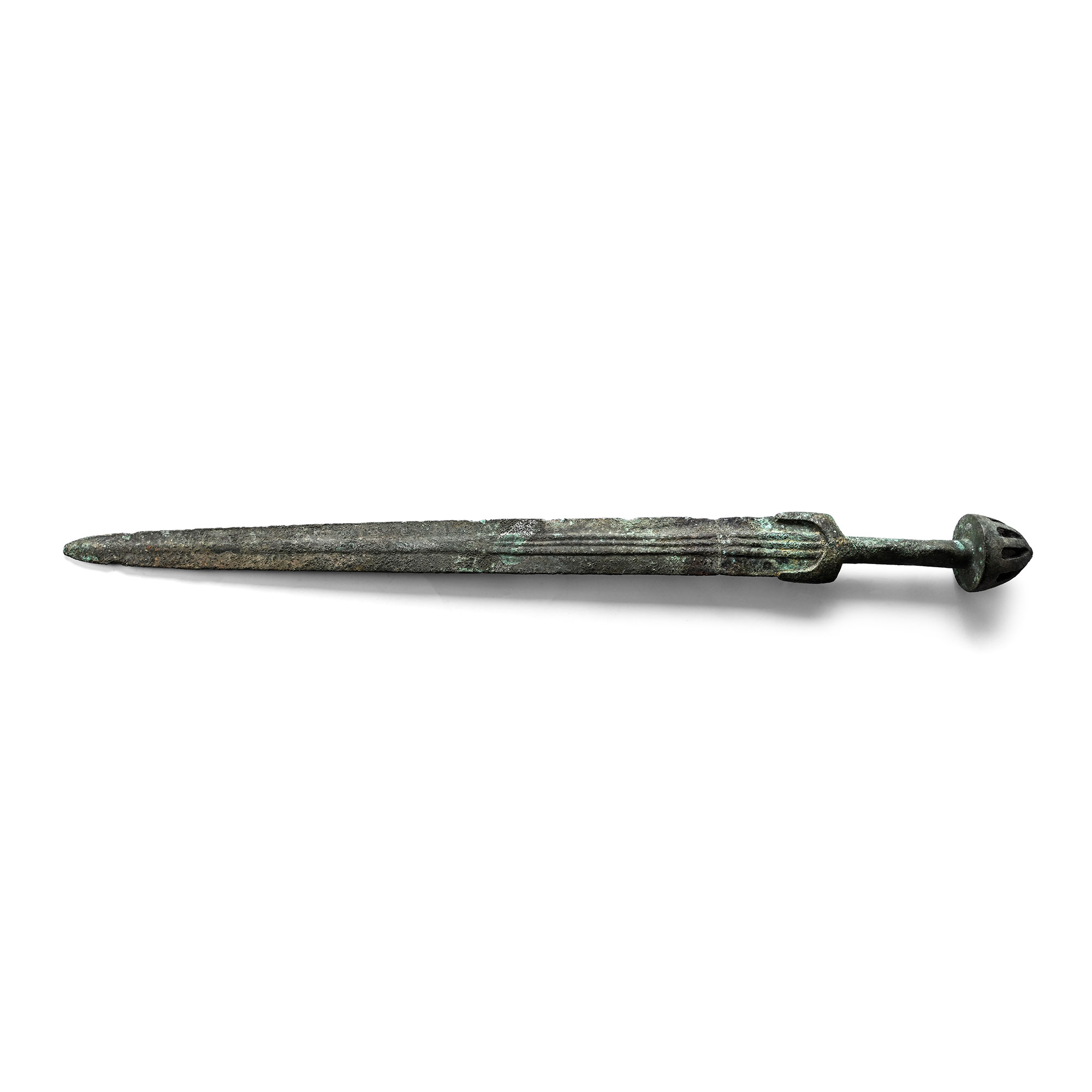
Luristan Bronze Long Sword with Double-Edged Blade and Domed Pommel
CIRCA 1200 B.C.
25 3/4 in. (1.12 kg, 65.5 cm).
With a tapering, double-edged, triangular blade and three-column midrib; crescent-shaped guard at the shoulder; cylindrical hilt with grips, domed pommel with recesses for inlay.
ProvenanceEx German collection.
with Hermann Historica, Munich, Germany, 2008.
Private collection, New York, USA.
Cf. Khorasani, M.M., Arms and Armour from Iran. The Bronze Age to the End of the Qajar Period, Tübingen, 2006, cat.35, for type.
CONDITIONTimeLine Auctions follows a vetting process to ensure the authenticity and legality of all items, reinforcing our commitment to integrity and responsible trading. Each antiquity, antique, and coin lot undergoes thorough examination by a vetting committee of at least ten external specialists, professional trade association members, scientists, and archaeologists: Our Vetting Process
AUCTIONS:
TimeLine is a leading auction house specialising in antiquities, ancient art, collectables, natural history, coins, medals, and books. Our auctions offer museums, collectors, historians, and enthusiasts the opportunity to acquire unique and historically significant pieces.
LOT 0317
Luristan Bronze Long Sword with Double-Edged Blade and Domed Pommel
Sold for (Inc. bp): £1,560
-
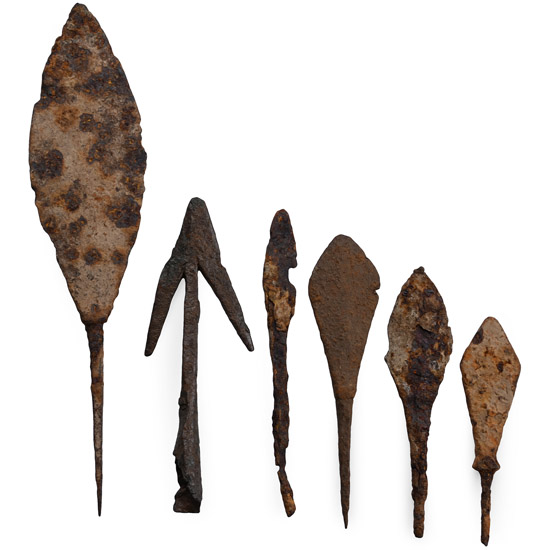
Roman to Medieval Iron Arrowhead Collection
3rd-14th century A.D.Sold for (Inc. bp): £208
Mixed group of tanged arrowheads, one a swallowtail type. 72 grams total, 6.8-14.9 cm
Ex German art market, 2000s. Acquired from an EU collector living in London. From the collection of a Surrey, UK, gentleman. -
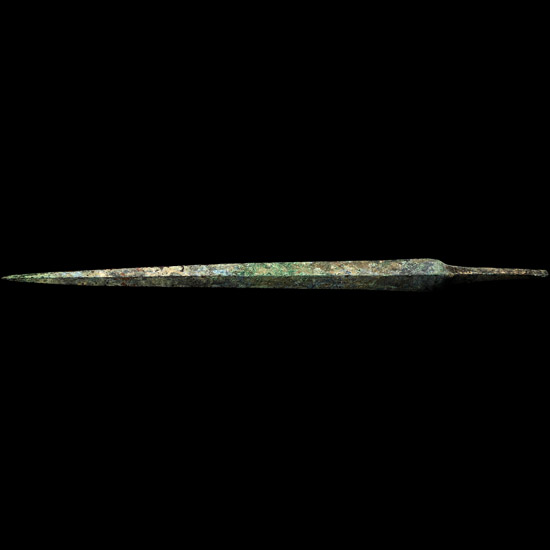
Luristan Bronze Tanged Lancehead
800-600 B.C.Sold for (Inc. bp): £124
With a tapering rectangular-section blade and a short tang. 239 grams, 31 cm
Ex Abelita family collection, 1980s-2000s.
These shoulderless spearheads are introducing the Luristan and Hamadan in the Median and Achaemenid Periods. The bronze type was cast in a mould, and the length suggests it was a throwing weapon or used in conjunction with a chariot. -
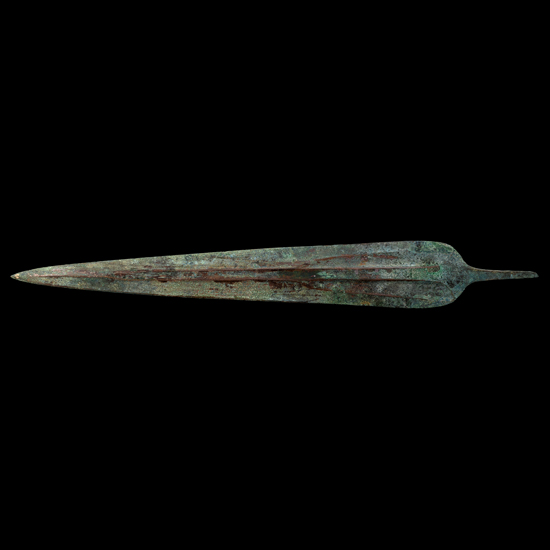
Luristan Bronze Tanged Short Sword
2nd-1st millennium B.C.Sold for (Inc. bp): £208
Substantial blade with rounded shoulders and a short rectangular-section tang. 355 grams, 42.7 cm
Ex Abelita family collection, 1980s-2000s.
Luristan was hardly an ethnic or political entity, but the people of Luri had relations through warfare and trade with Sumerians, Lullubi, Assyrians, Babylonians and Elamites over a long period of time, spanning from the 3rd to the 2nd millennium B.C. The ruling elites of warrior horsemen were buried in the graves with their weapons and horses.
