
Loading, please wait...
LOT 1058
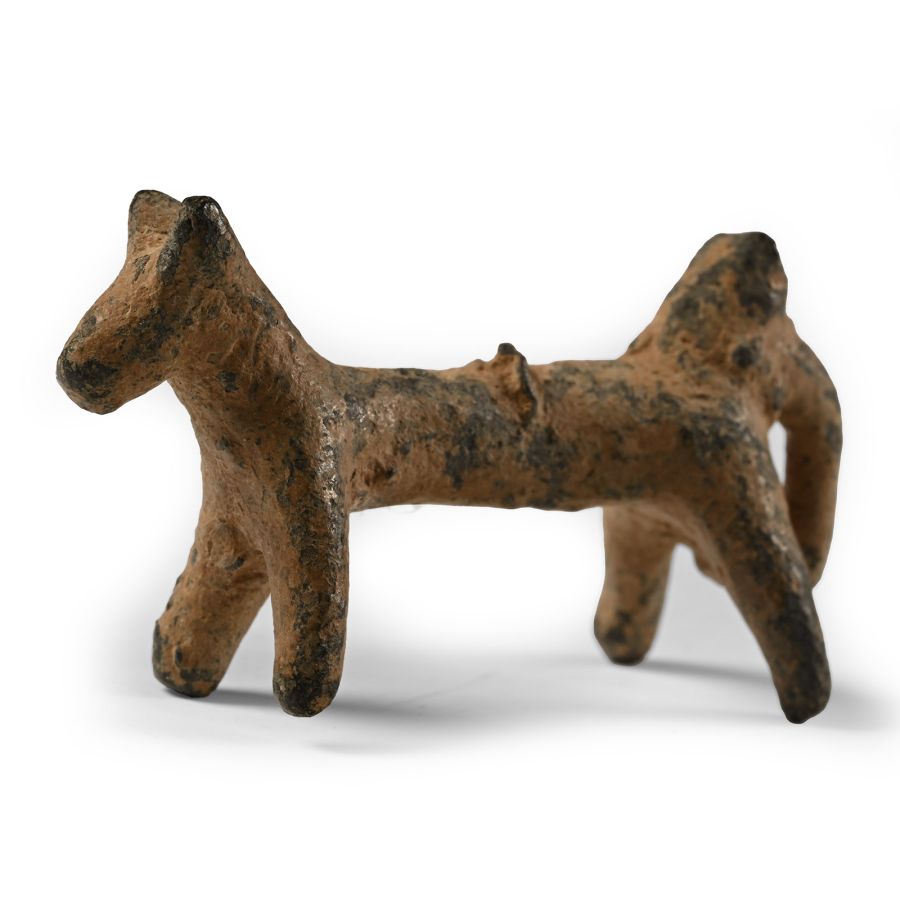
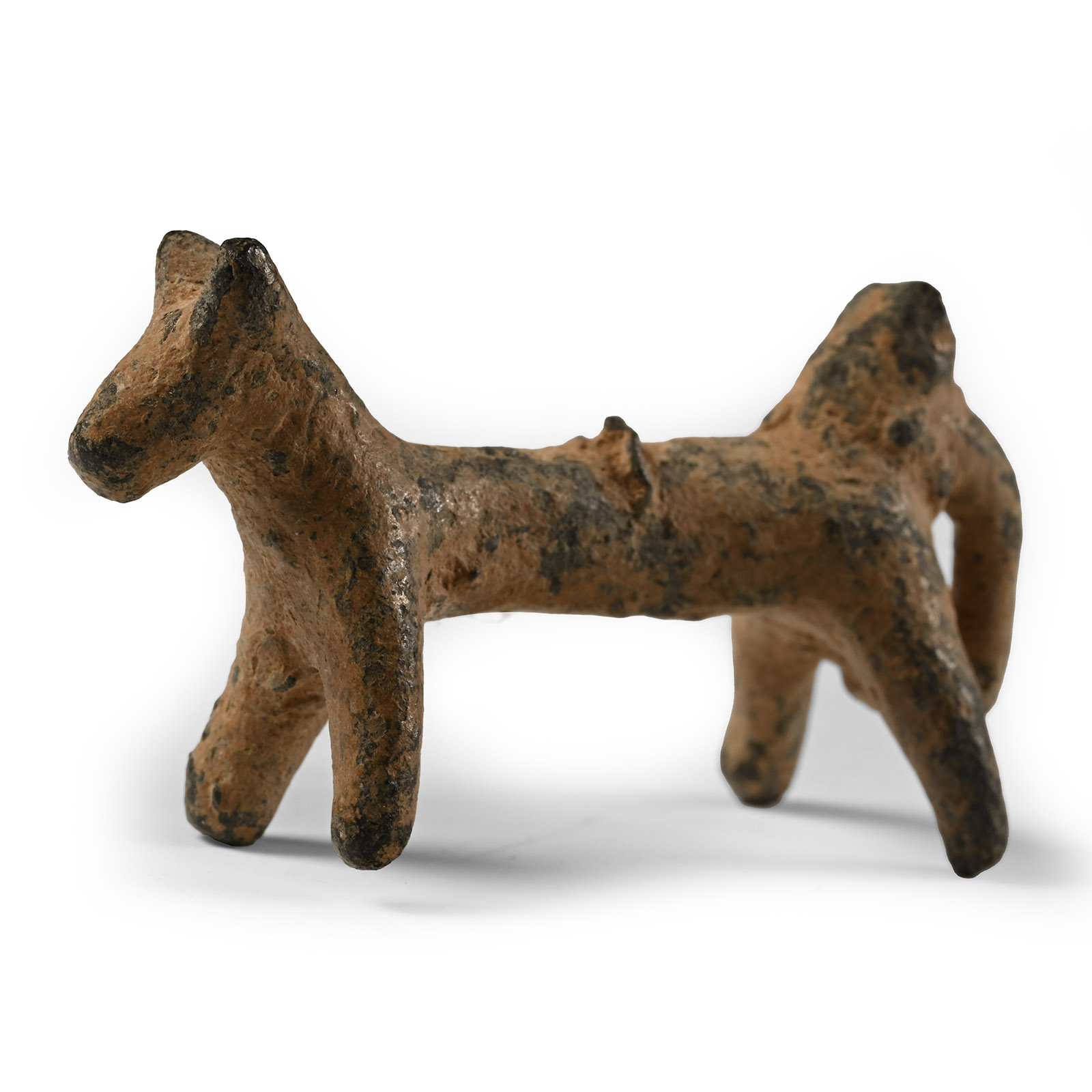
Luristan Bronze Horse
13TH-7TH CENTURY B.C.
1 5/8 in. (17.1 grams, 43 mm).
Amuletic figure of a standing beast with raised rump and curved tail; integral bridle and reins. [No Reserve]
ProvenanceEx London collection of a deceased collector, 1990s.
CONDITIONTimeLine Auctions follows a vetting process to ensure the authenticity and legality of all items, reinforcing our commitment to integrity and responsible trading. Each antiquity, antique, and coin lot undergoes thorough examination by a vetting committee of at least ten external specialists, professional trade association members, scientists, and archaeologists: Our Vetting Process
AUCTIONS:
TimeLine is a leading auction house specialising in antiquities, ancient art, collectables, natural history, coins, medals, and books. Our auctions offer museums, collectors, historians, and enthusiasts the opportunity to acquire unique and historically significant pieces.
-

Mesopotamian Bronze Hunter God Ninurtu
Late 2nd millennium B.C.Estimate: £1,200 - 1,700 (+bp*)
Opening Bid: £600
Modelled in the round, standing nude on a D-shaped base with arms bent and hands gripping a fawn slung over his shoulders. 280 grams, 10.6 cm
UK private collection before 2000. Acquired on the UK art market. Property of a London gentleman. -
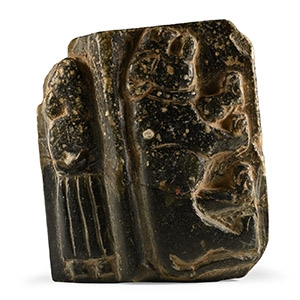
Mesopotamian Black Stone Seal with Lion and Male Figure
2nd-1st millennium B.C.Estimate: £450 - 650 (+bp*)
Opening Bid: £250
Rectangular in profile with carved detailing; obverse with standing figure in ankle-length robe, bearded head turned; dividing rib beside an advancing lion with mouth open; reverse scene with perching bird and other items; pierced vertically for mounting. 97 grams, 64 mm
Collected from 1970-1999. From the collection of the late Mr S.M., London, UK. -
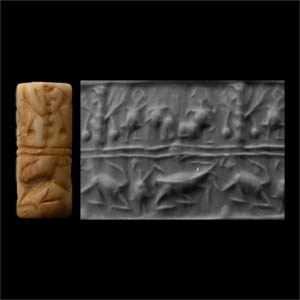
Sumerian Bone Cylinder Seal
2nd millennium B.C.Estimate: £400 - 600 (+bp*)
Opening Bid: £200
With frieze in two registers depicting running animals, facing figure with arms raised and other items. 4.42 grams, 24 mm
Ex 'S' collection, London, UK. Examined by Professor Wilfrid George Lambert FBA (1926-2011), historian, archaeologist, and specialist in Assyriology and Near Eastern archaeology, in the late 1980s and early 1990s.
