
Loading, please wait...

LOT 1180
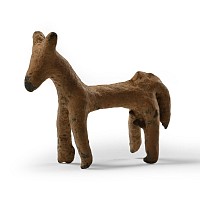
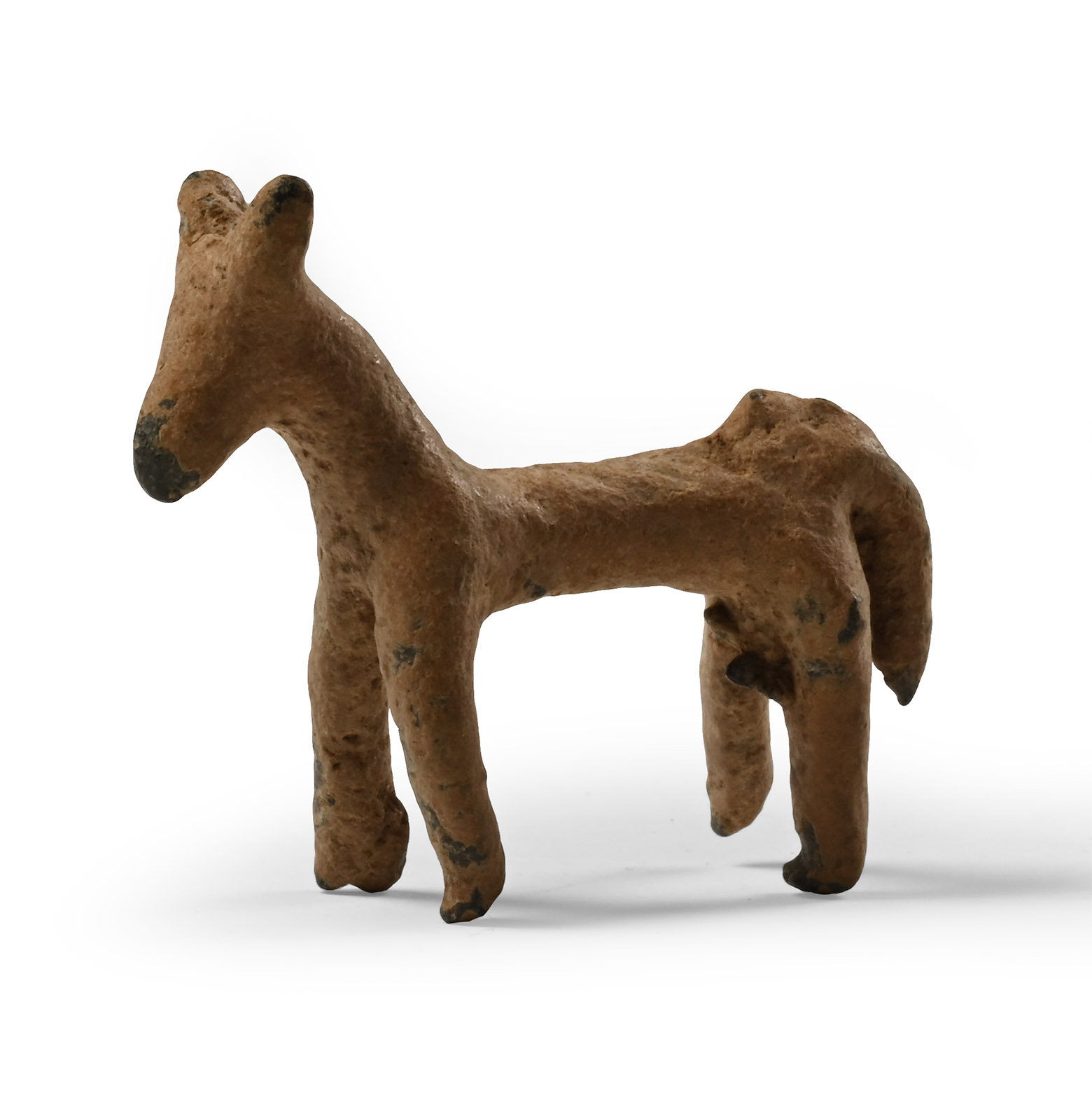
Luristan Bronze Horse
13TH-7TH CENTURY B.C.
1 3/8 in. (11.6 grams, 35 mm).
Amuletic figure of a standing beast with raised rump and curved tail. [No Reserve]
ProvenanceEx London collection of a deceased collector, 1990s.
CONDITIONTimeLine Auctions follows a vetting process to ensure the authenticity and legality of all items, reinforcing our commitment to integrity and responsible trading. Each antiquity, antique, and coin lot undergoes thorough examination by a vetting committee of at least ten external specialists, professional trade association members, scientists, and archaeologists: Our Vetting Process
AUCTIONS:
TimeLine is a leading auction house specialising in antiquities, ancient art, collectables, natural history, coins, medals, and books. Our auctions offer museums, collectors, historians, and enthusiasts the opportunity to acquire unique and historically significant pieces.
-
.jpg)
Rolled Aramaic Lead Magical Text Scroll
2nd-8th century A.D.Estimate: £400 - 600 (+bp*)
Opening Bid: £200
A rolled sheet-metal magical document with inscribed text in Aramaic. 41 grams, 60 mm
Fine condition.
Acquired 1979-1999. London collection of the late Mr S.M., thence by descent. -
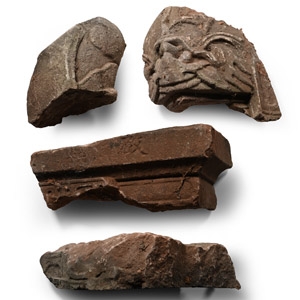
Western Asiatic Red Sandstone Fragment Group
Circa 10th century A.D.Sold for (Inc. bp): £7
Including a frieze corner fragment with high-relief mask, and other items. 5.45 kg total, 15-23 cm
From a collection acquired on the UK art market from various auction houses and collections mostly before 2000. From an important Cambridgeshire estate; thence by descent. -
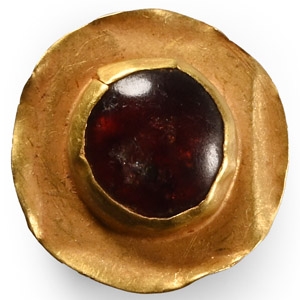
Western Asiatic Gold and Garnet Pendant
1st millennium B.C.Sold for (Inc. bp): £124
Discoid in plan with central cell and inset garnet cabochon, two mounting tubes to reverse. 0.38 grams, 9 mm
Ex property of a late Japanese collector, 1970-2000s.
