
Loading, please wait...
LOT 1489
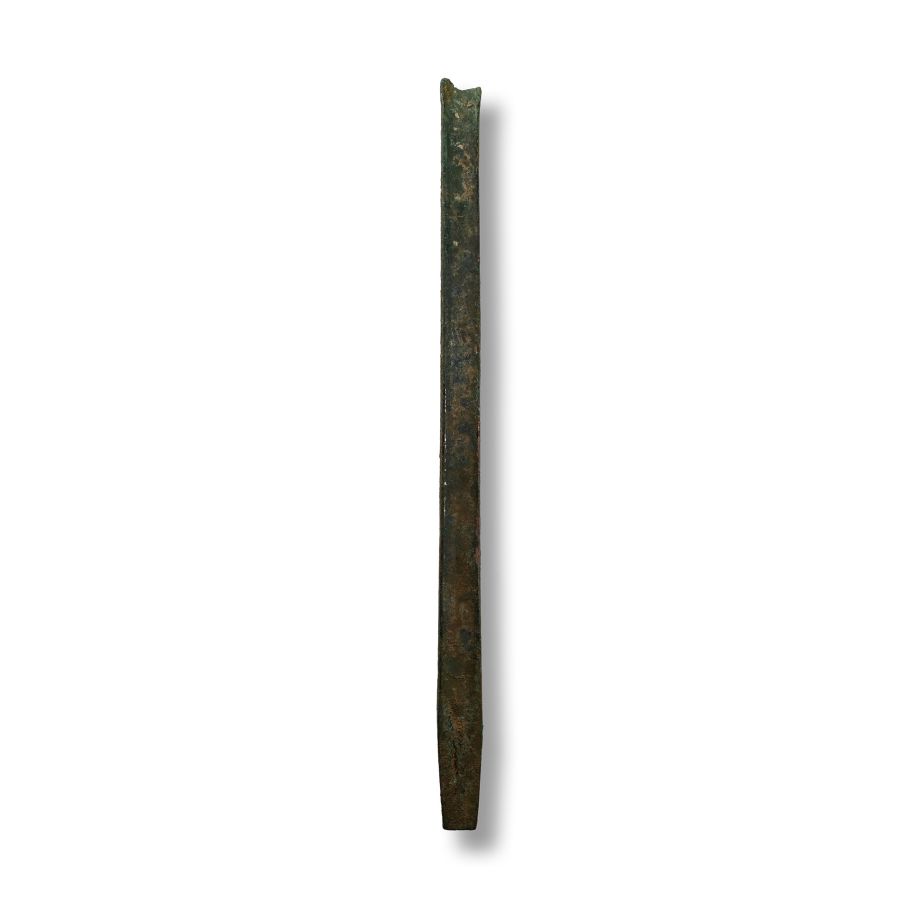
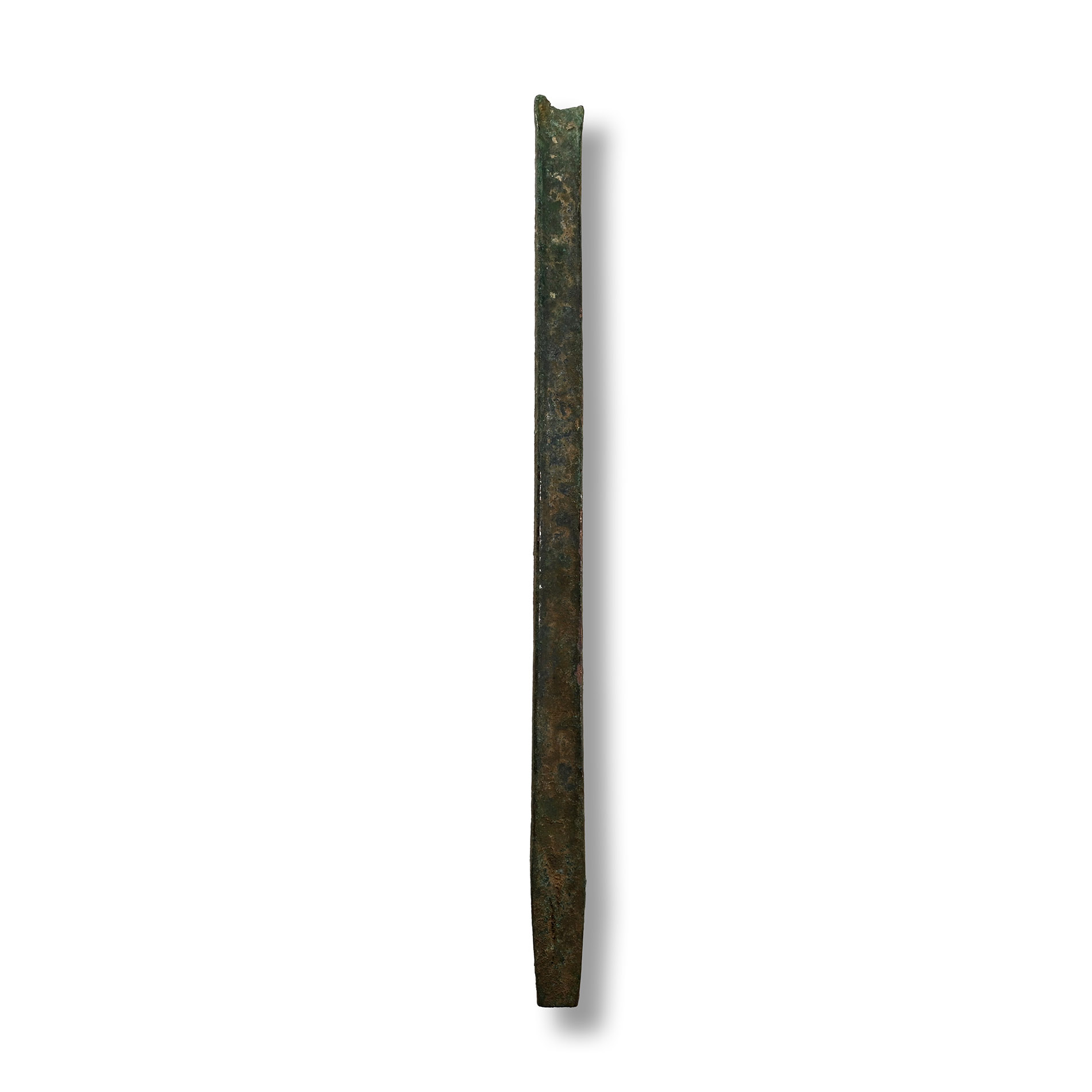
Luristan Bronze Gouge Chisel
CIRCA 1600-800 B.C.
10 5/8 in. (320 grams, 26.9 cm).
With a long semi-circular shaft with a narrow channel transitioning to a blunt square-section handle.
ProvenanceEx London collection, formed between 1990-present.
Accompanied by an old dealer's information card.
This lot has been cleared against the Art Loss Register database, and is accompanied by an illustrated lot declaration signed by the Head of the Antiquities Department, Dr Raffaele D'Amato.
TimeLine Auctions follows a vetting process to ensure the authenticity and legality of all items, reinforcing our commitment to integrity and responsible trading. Each antiquity, antique, and coin lot undergoes thorough examination by a vetting committee of at least ten external specialists, professional trade association members, scientists, and archaeologists: Our Vetting Process
AUCTIONS:
TimeLine is a leading auction house specialising in antiquities, ancient art, collectables, natural history, coins, medals, and books. Our auctions offer museums, collectors, historians, and enthusiasts the opportunity to acquire unique and historically significant pieces.
LOT 1489
Luristan Bronze Gouge Chisel
Estimate £100 - 140€120 - 160 (for guidance only)$140 - 190 (for guidance only)
-
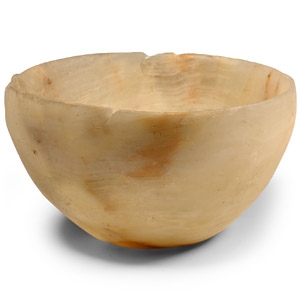
Western Asiatic Alabaster Bowl
20th century A.D.Sold for (Inc. bp): £130
Hemispherical in profile with flat base, thin rim; cracked and chipped. 967 grams, 15 cm
Ex London, UK, gallery, 1971-early 2000s. London, UK, collection. This lot has been cleared against the Art Loss Register database, and is accompanied by an illustrated lot declaration signed by the Head of the Antiquities Department, Dr Raffaele D'Amato. -
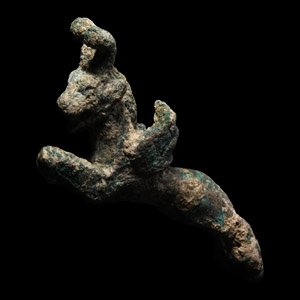
Western Asiatic Bronze Leaping Horned and Winged Lion
Mid 1st millennium B.C.Sold for (Inc. bp): £52
With small wings and curved horns; possibly Kushan. 160 grams, 11.8 cm
Fair condition, one wing chipped.
London collection since the 1980s. Property of a Canadian family. This lot has been cleared against the Art Loss Register database, and is accompanied by an illustrated lot declaration signed by the Head of the Antiquities Department, Dr Raffaele D'Amato. -
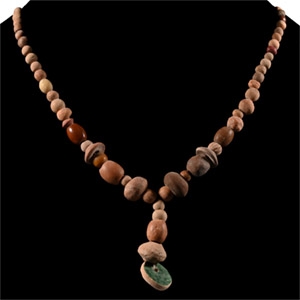
Western Asiatic Mixed Bead Necklace String
1st millennium B.C. and laterSold for (Inc. bp): £39
Composed of mainly oblate ceramic beads with two conical beads, restrung to a Y-shape with a green-glazed tabular pendant bead. 32.3 grams, 32 cm
Acquired 1980-2015. Ex Abelita family collection. This lot has been cleared against the Art Loss Register database, and is accompanied by an illustrated lot declaration signed by the Head of the Antiquities Department, Dr Raffaele D'Amato.
