
Loading, please wait...
LOT 1141
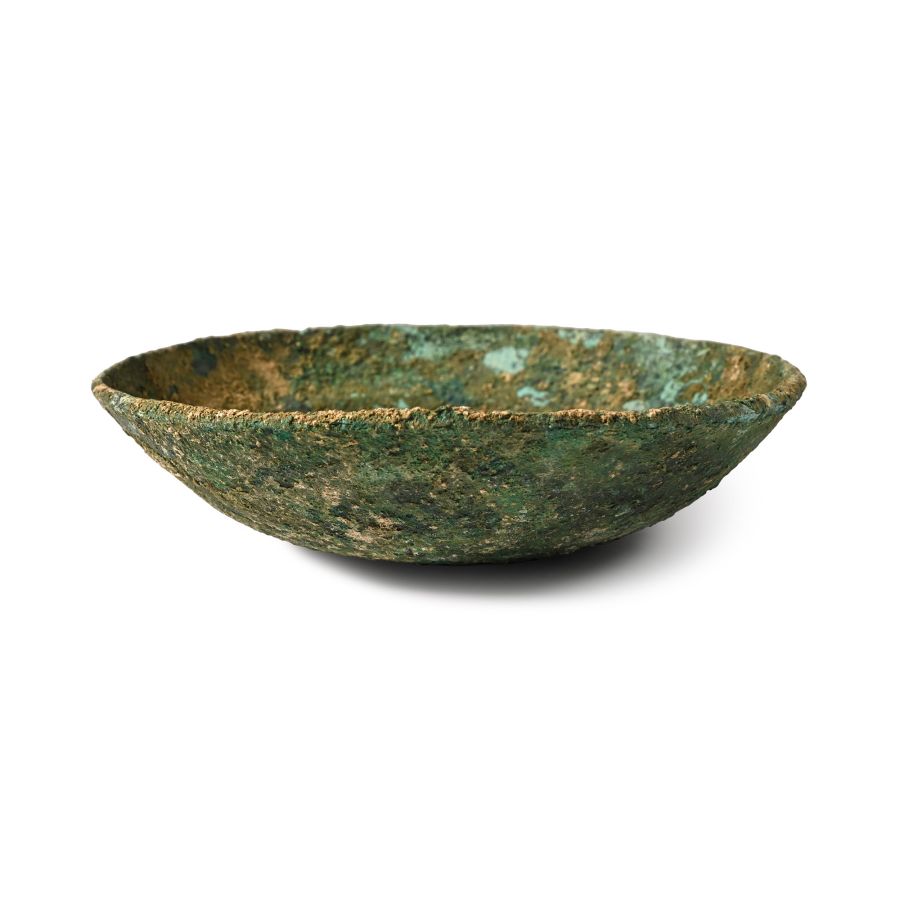
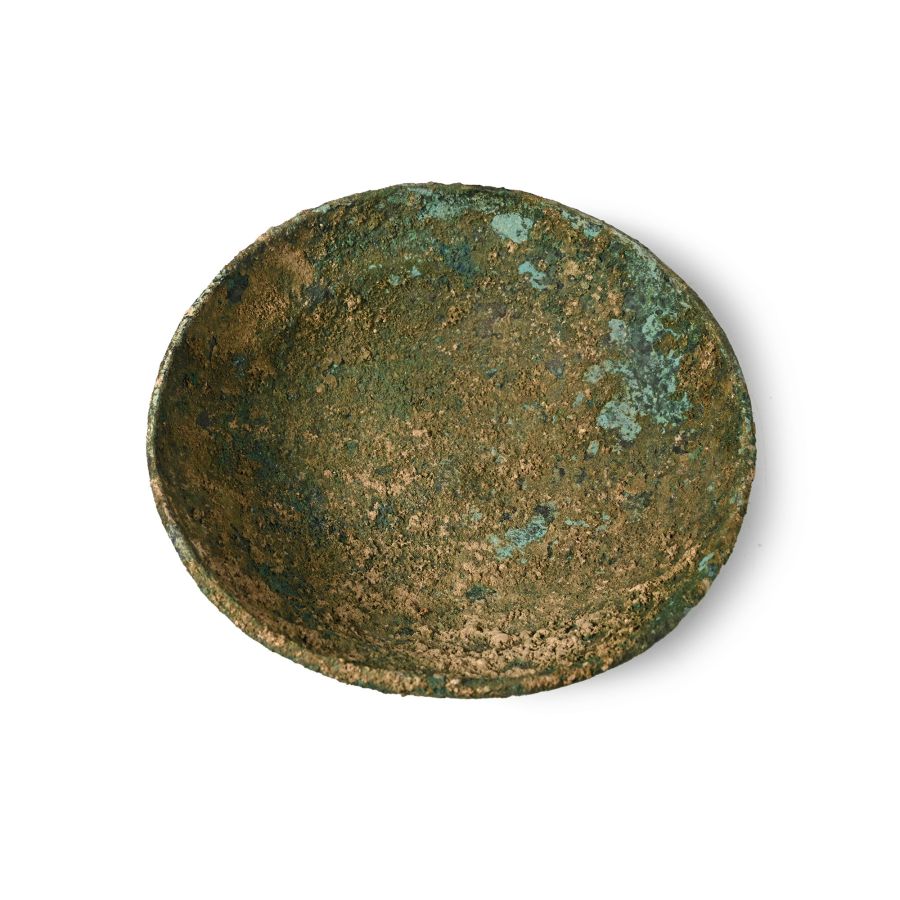
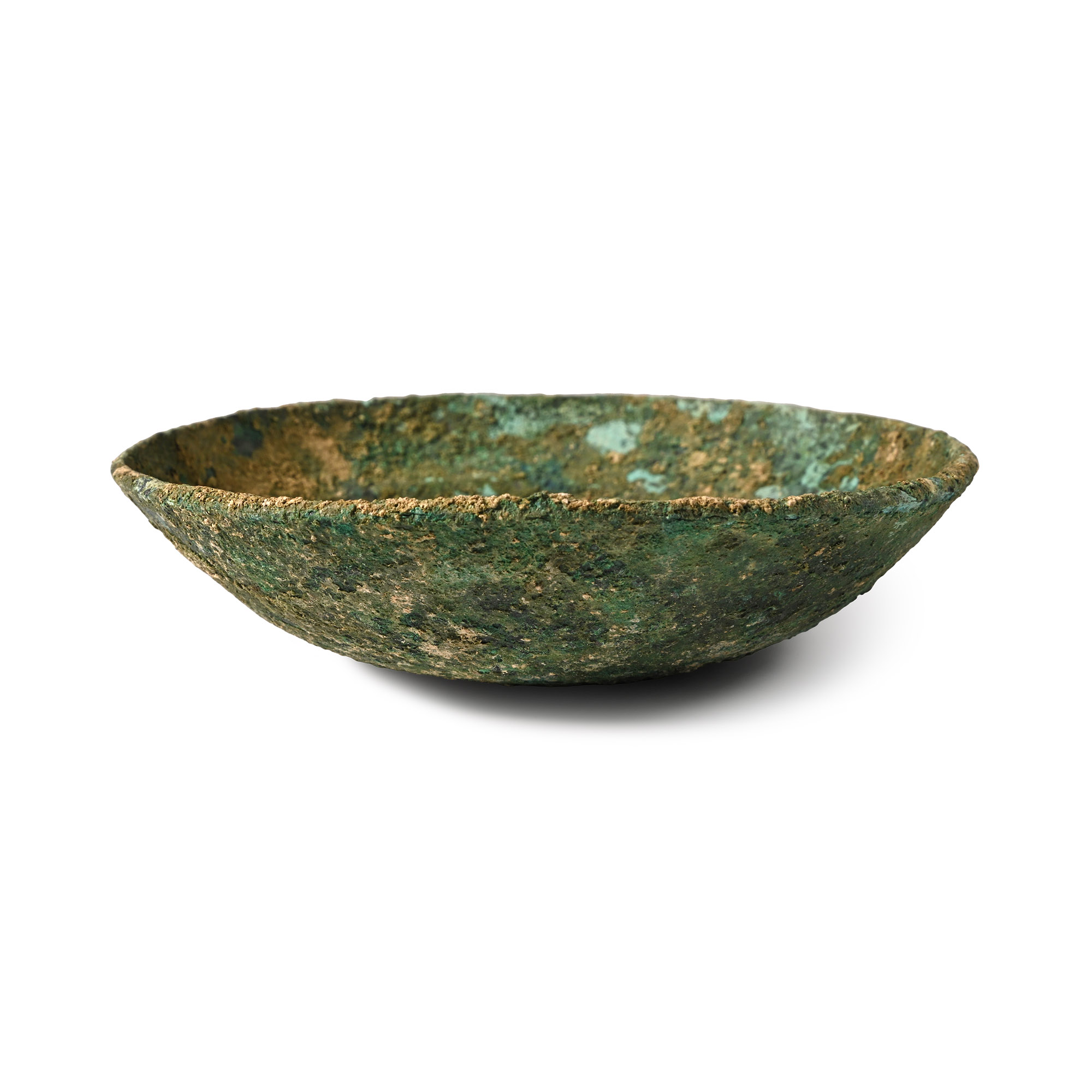
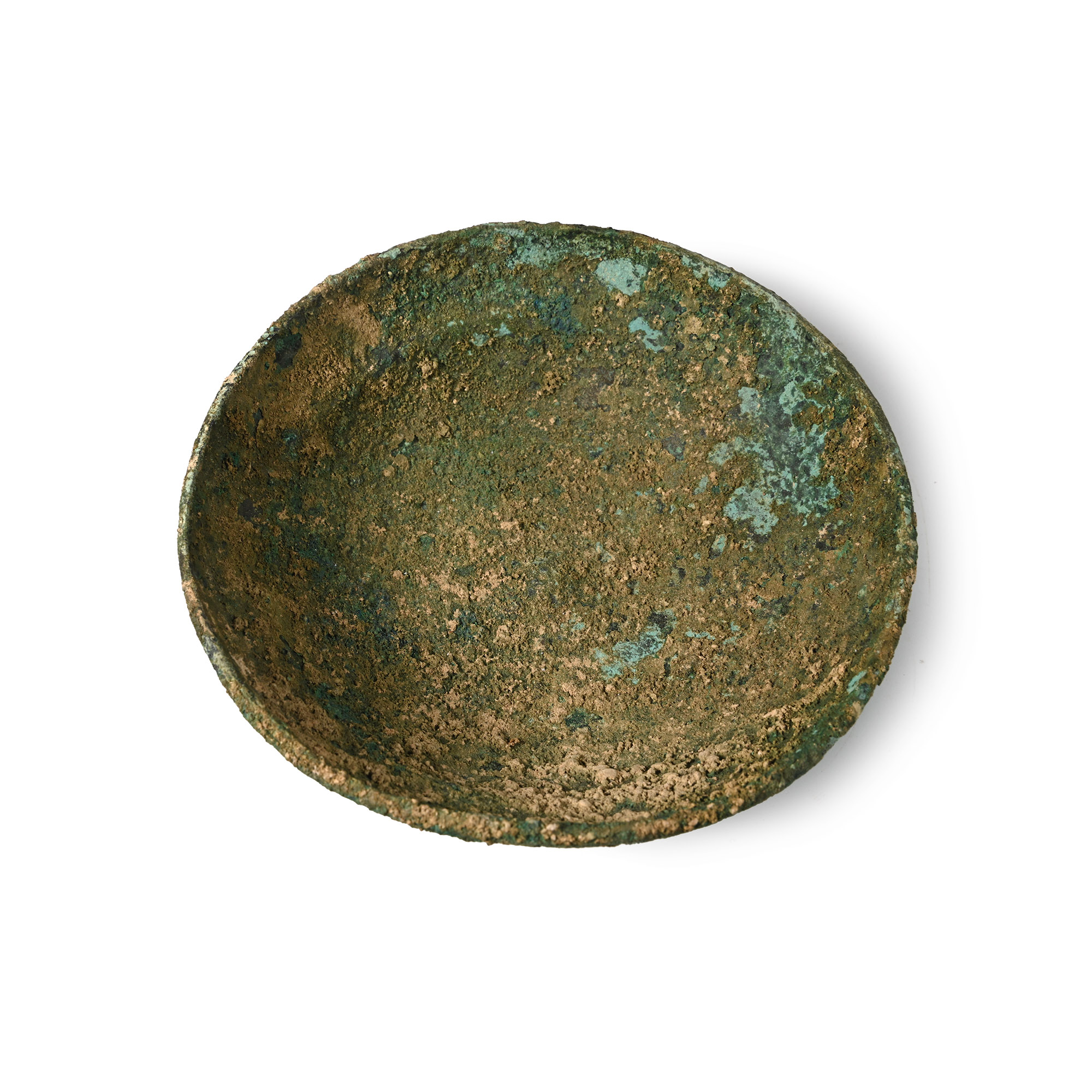
Luristan Bronze Dish
CIRCA 6TH CENTURY B.C.
4 3/8 in. (167 grams, 11.1 cm).
With hemispherical body raised from a single sheet. [No Reserve]
ProvenanceEx London, UK, collections, 1990s-2000s.
This lot has been cleared against the Art Loss Register database, and is accompanied by an illustrated lot declaration signed by the Head of the Antiquities Department, Dr Raffaele D'Amato.
Cf. similar bowl from Luristan but with engravings and realised under Achaemenids in Watson, P., Luristan Bronzes in Birmingham Museum and Art Gallery, Birmingham, 2011, fig.18.
FootnotesThe people of Luristan were nomads, constantly moving in summer and winter pastures, and needed metal utensils and tools. Therefore, in addition to weapons, these excellent metal workers produced, in considerable numbers, light and elegant bronze vases and cups. The Luristan vessels show how strongly specialised were the forms of these objects.
CONDITIONTimeLine Auctions follows a vetting process to ensure the authenticity and legality of all items, reinforcing our commitment to integrity and responsible trading. Each antiquity, antique, and coin lot undergoes thorough examination by a vetting committee of at least ten external specialists, professional trade association members, scientists, and archaeologists: Our Vetting Process
AUCTIONS:
TimeLine is a leading auction house specialising in antiquities, ancient art, collectables, natural history, coins, medals, and books. Our auctions offer museums, collectors, historians, and enthusiasts the opportunity to acquire unique and historically significant pieces.
-
Mesopotamian Cuneiform Brick Fragment with Royal Text
3rd-2nd millennium B.C.Sold for (Inc. bp): £780
Rectangular fragment with four sections of cuneiform inscription to one side. 436 grams, 12.5 cm
From an important collection pre 1988. From a private UK collection. This lot has been cleared against the Art Loss Register database, and is accompanied by an illustrated lot declaration signed by the Head of the Antiquities Department, Dr Raffaele D'Amato. -
South Mesopotamian Stone Male Figure
2nd millennium B.C. and laterSold for (Inc. bp): £156
Carved in the round with textured hair, holding an object to his left shoulder; in seated pose. 13.12 grams, 43 mm
Ex S collection, London, UK, 1970-1990s. This lot has been cleared against the Art Loss Register database, and is accompanied by an illustrated lot declaration signed by the Head of the Antiquities Department, Dr Raffaele D'Amato. -
.jpg)
Old Babylonian 'Kings of Larsa' Terracotta Cuneiform Tablet Collection
2000-1500 B.C.Estimate: £7,000 - 9,000 (‡+bp*)
Opening Bid: £3,500
Group of pillow-shaped tablets, each with cuneiform text to the broad faces and an edge, reading: a) 'Loan of money by a deity during the reign of Sin-iqišam king of Larsa (1840-1836 BC). The tablet was sealed. Idnin-Sîn and Sutitum have obtained from the god Šamaš (a loan of) 5/6 mine 5 shekels of silver, the silver (has) an interest of 4 shekels 1/3. He° will have to repay the money at the time of sowing. Before (the god) Ea, Before (the goddess) Sugallitum Before (the god) Nanna Before Dani Seal of one (of the) witnesses... In the month of Tebitum The year of Sin-iqišam the king. b) sale of a palm grove during the reign of Nur-Adad king of Larsa (1865-1850 BC) 50 sar of orchard, planted with palm trees, next to Kunia, next to Amurutu, on the first small side: Rabutum. Sîn-pilah bought from Huzalum. He paid him its full price of 1/3 silver mine. He swore in the name of Nur-Adad the king that no one would constest in the future. In front of Itišumum In front of Sinennam Before Sugalum Before Kurušum Before Awīl-Amurrim the scribe In the month of šabatu, the year Nur-Adad (offered) a throne of justice (?) ... c) interest-free loan from the moon god Nanna, during the reign of Warad-Sîn (year 12), king of Larsa (1834-1823 BC) 12 shekels of interest-free silver, from (the moon-god) Nanna, debt of Bitanum. Before Qišti-Enlil Before Dadiya Before Sîn-šemi In the month of Innana, the 5th. The year (the king) built the temple of Ninug... inside (the city of) Maškan-šapir. d) contract for the sale of a palm grove during the reign of Sumu-el (year 26), king of Larsa (1894-1866 BC) 36 sar of orchard, planted with palm trees, next to Batuli and next to Kutanum, Sin-pilah bought from Bedi-el. He paid its full price 10... of silver. He swore in the name of the king that in the future no one would dispute. Before ... Before Sîn Dayan In front of Naqimum In front of Damu In front of Munakum In the month of Kislimu, the 4th year of the priest of Nanna.' 230 grams total, 47-58 mm
Ex private collection. with Bonhams, Antiquities, London, 21 October 1999, no.260. Private central European collection. Accompanied by copies of the relevant Bonhams catalogue pages. This lot has been checked against the Interpol Database of stolen works of art and is accompanied by search certificate number no.12244-219769. This lot has been cleared against the Art Loss Register database, and is accompanied by an illustrated lot declaration signed by the Head of the Antiquities Department, Dr Raffaele D'Amato.
