
Loading, please wait...
LOT 1220
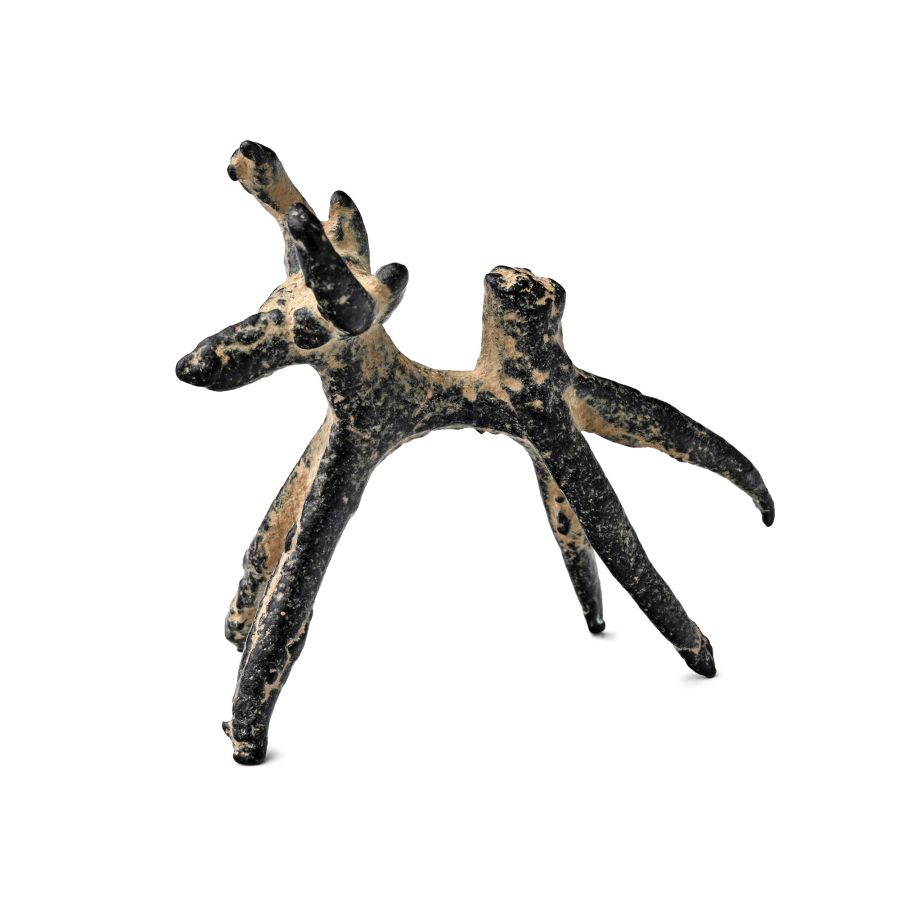
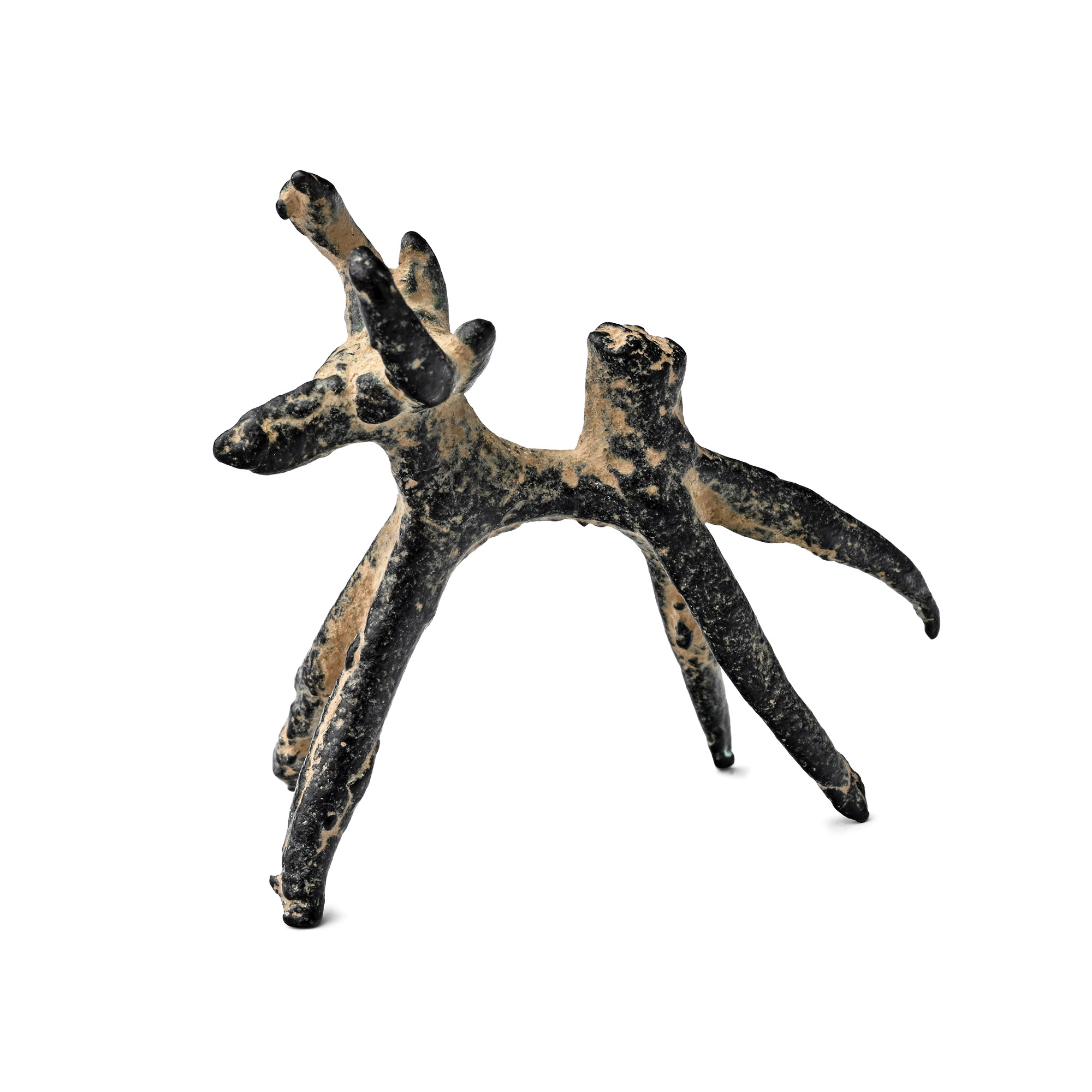
Luristan Bronze Bull Statuette
1ST MILLENNIUM B.C.
2 in. (20.9 grams, 51 mm).
Modelled with a thin, tubular body and elongated, splayed legs, a short neck supporting an elongated head with bulbous eyes and curving horns, a tubular projection above the rump.
ProvenanceEx Abelita collection, 1990s.
CONDITIONTimeLine Auctions follows a vetting process to ensure the authenticity and legality of all items, reinforcing our commitment to integrity and responsible trading. Each antiquity, antique, and coin lot undergoes thorough examination by a vetting committee of at least ten external specialists, professional trade association members, scientists, and archaeologists: Our Vetting Process
AUCTIONS:
TimeLine is a leading auction house specialising in antiquities, ancient art, collectables, natural history, coins, medals, and books. Our auctions offer museums, collectors, historians, and enthusiasts the opportunity to acquire unique and historically significant pieces.
-
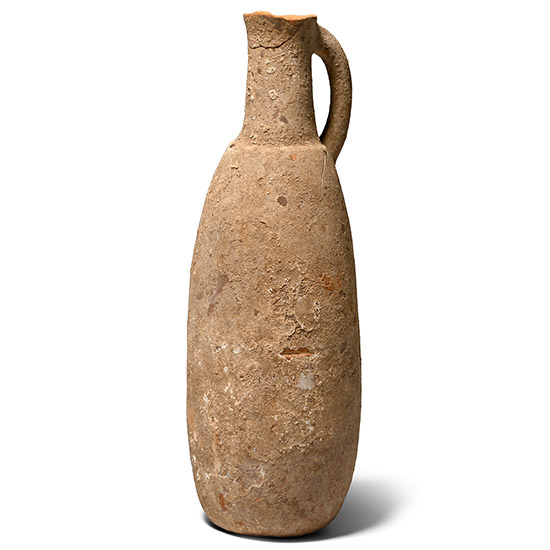
Western Asiatic Pottery Vessel
1st millennium B.C.Sold for (Inc. bp): £117
Slender cylindrical body with tubular neck and a strap handle to the rear. 200 grams, 18.7 cm
From an important specialist collection, London, UK, 1990s. -
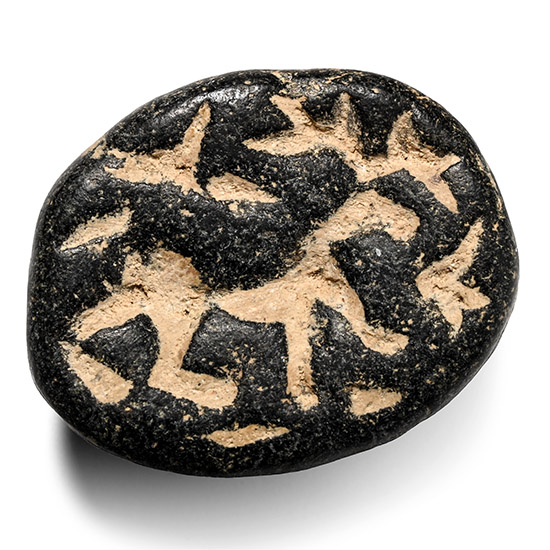
Western Asiatic Hardstone Scaraboid Stamp Seal
1st millennium B.C.Estimate: £100 - 140 (+bp*)
Opening Bid: £50
Domed body with incised circumferential band above the rim, underside with a stylised quadruped and star-like motifs. 5.17 grams, 20 mm
Ex West Country, UK, collection, 1990s. Accompanied by a previously illustrated catalogue card with provenance. -
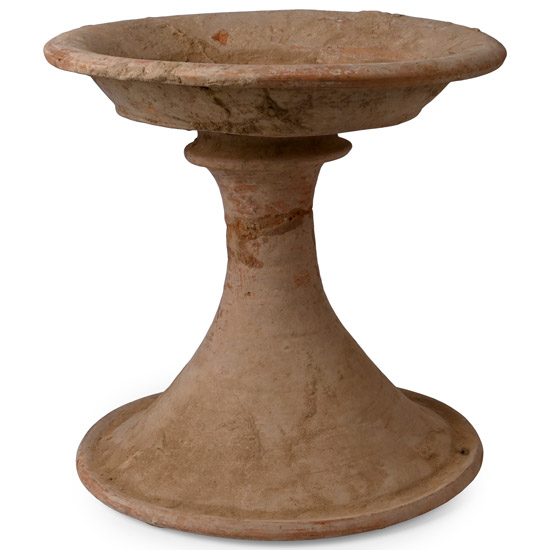
Large Bactrian Terracotta Chalice
1st millennium B.C.Estimate: £100 - 140 (+bp*)
Current Winning Bid: £50
Comprising a broad shallow bowl with carination, supported by a sturdy shank on a conical base. 6.15 kg. 32 cm wide
From a London, UK, collection, 1990s.
