
Loading, please wait...
LOT 1515
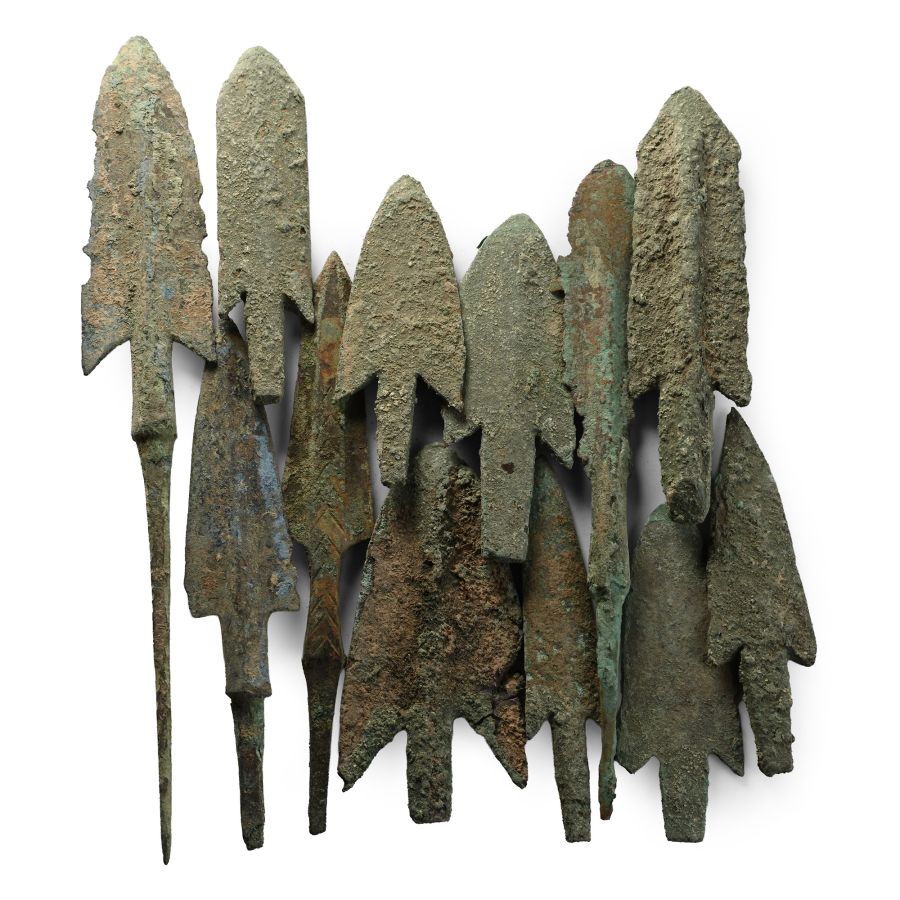
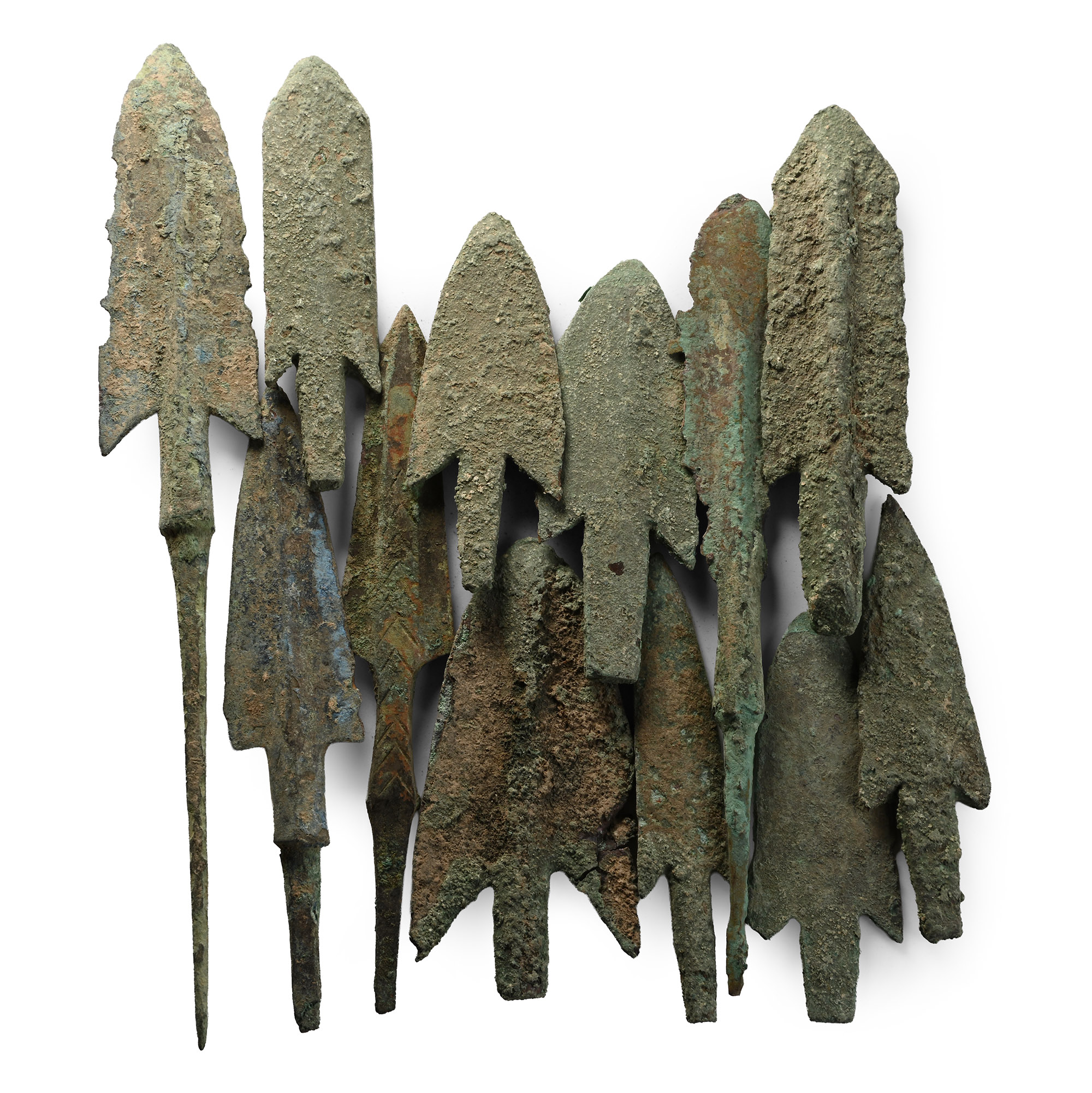
Luristan Bronze Arrowhead Collection
2ND-1ST MILLENNIUM B.C.
2 1/2 - 6 1/4 in. (280 grams total, 6.3-16 cm).
Mainly barbed and tanged types. [12, No Reserve]
ProvenanceEx London, UK, collection, 1990s.
CONDITIONTimeLine Auctions follows a vetting process to ensure the authenticity and legality of all items, reinforcing our commitment to integrity and responsible trading. Each antiquity, antique, and coin lot undergoes thorough examination by a vetting committee of at least ten external specialists, professional trade association members, scientists, and archaeologists: Our Vetting Process
AUCTIONS:
TimeLine is a leading auction house specialising in antiquities, ancient art, collectables, natural history, coins, medals, and books. Our auctions offer museums, collectors, historians, and enthusiasts the opportunity to acquire unique and historically significant pieces.
-
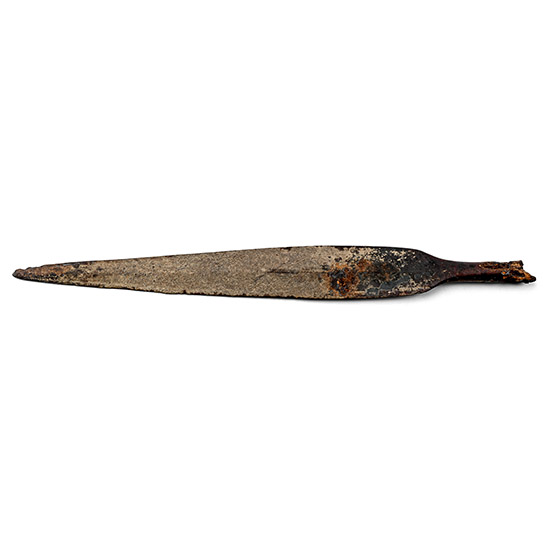
Large Iron Age Celtic Spearhead
Circa 450 B.C.-50 A.D.Sold for (Inc. bp): £221
With long slender leaf-shaped blade and short tubular socket. 550 grams, 48.1 cm
Acquired on the German art market. Private collection, Germany. Ex Axel Guttmann collection and acquired through Hermann Historica in 2010. Kept in the UK from 2016. -
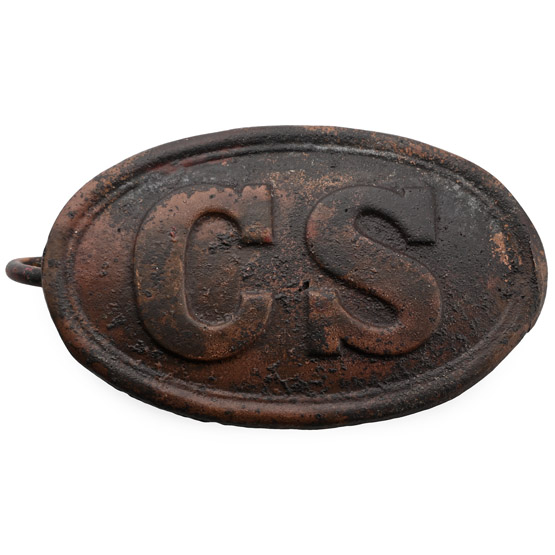
American Confederate States Civil War Belt Buckle
1861-1865 A.D. or laterSold for (Inc. bp): £208
Discoid body with raised rim and low-relief letters 'CS', wide D-section rectangular attachment slot and cook to the underside. 120 grams, 91 mm
From a Cambridgeshire, UK, collection. -
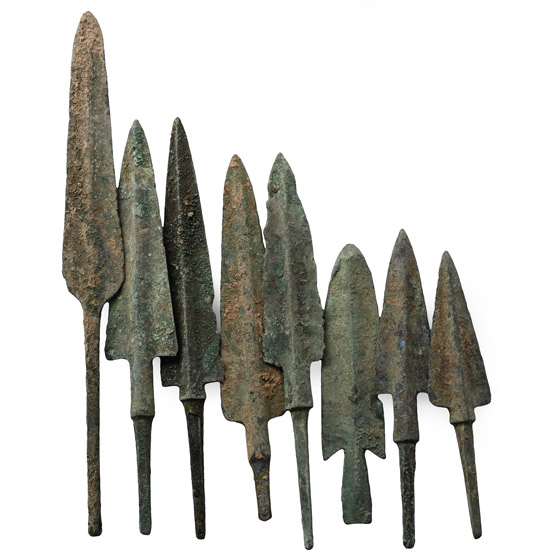
Western Asiatic Bronze Arrowhead Collection
1st millennium B.C.Sold for (Inc. bp): £169
Including barbed-and-tanged, spade-shaped and other types. 319 grams total, 7.4-18 cm
Ex London, UK, collection, 1990s.
