
Loading, please wait...
LOT 1462
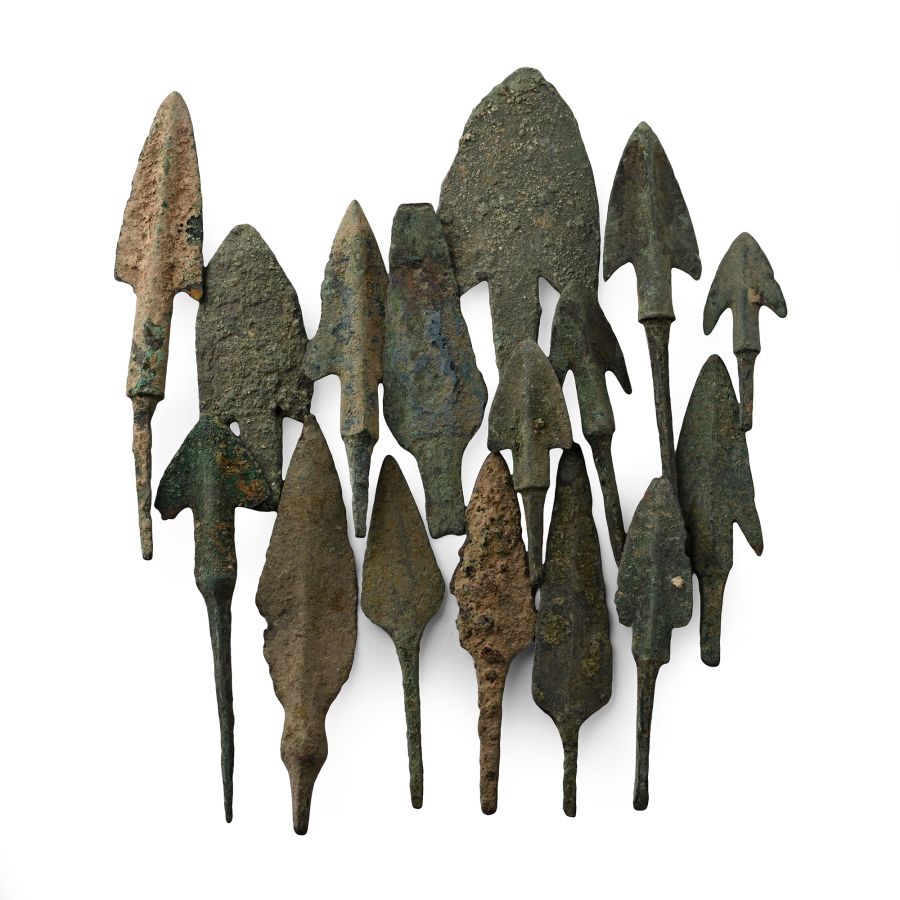
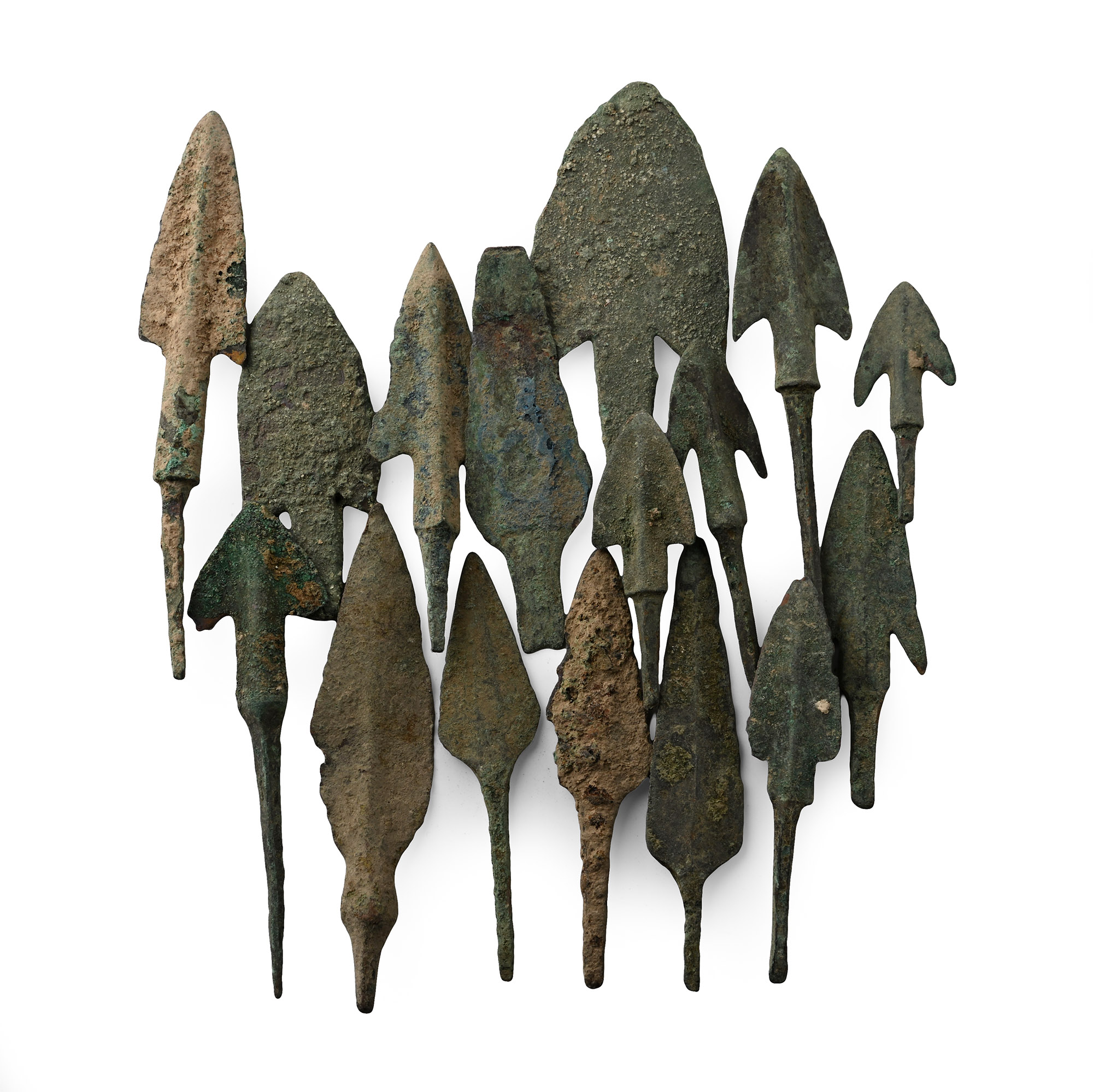
Luristan Bronze Arrowhead Collection
2ND-1ST MILLENNIUM B.C.
1 3/4 - 3 5/8 in. (156 grams total, 47-92 mm).
Comprising leaf-shaped, triangular tanged and other types. [15]
ProvenanceFrom a London collection, 1990s-2000.
This lot is accompanied by an illustrated lot declaration signed by the Head of the Antiquities Department, Dr Raffaele D'Amato.
TimeLine Auctions follows a vetting process to ensure the authenticity and legality of all items, reinforcing our commitment to integrity and responsible trading. Each antiquity, antique, and coin lot undergoes thorough examination by a vetting committee of at least ten external specialists, professional trade association members, scientists, and archaeologists: Our Vetting Process
AUCTIONS:
TimeLine is a leading auction house specialising in antiquities, ancient art, collectables, natural history, coins, medals, and books. Our auctions offer museums, collectors, historians, and enthusiasts the opportunity to acquire unique and historically significant pieces.
-
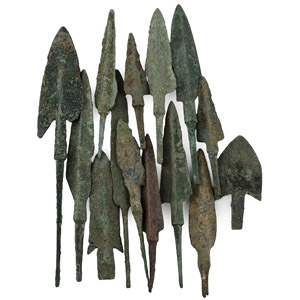
Luristan Bronze Arrowhead Collection
2nd-1st millennium B.C.Sold for (Inc. bp): £117
Comprising mainly large barbed-and-tanged types. 314 grams total, 6.5-18 cm
From a London collection, 1990s-2000. This lot is accompanied by an illustrated lot declaration signed by the Head of the Antiquities Department, Dr Raffaele D'Amato. -
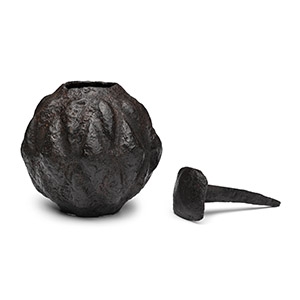
Medieval Iron Macehead with Securing Nail
13th-14th century A.D.Sold for (Inc. bp): £221
Comprising spherical macehead with teardrop and lozenge flanges; a nail with tapering square-section shank and rectangular flat head. 255 grams, 66 mm
From the private collection of a London gentleman, from his grandfather's collection formed before the early 1970s. This lot is accompanied by an illustrated lot declaration signed by the Head of the Antiquities Department, Dr Raffaele D'Amato. -
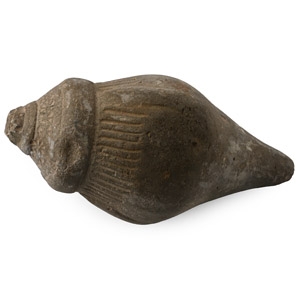
Turco-Mongol 'Greek Fire' Ceramic Fire Bomb or Hand Grenade
9th-11th century A.D.Sold for (Inc. bp): £72
Hollow vessel with piriform body, raised lugs on the shoulder with hatched banding in between the lugs, decorative band of rosettes beneath the domed mouth; intended to be filled with explosive liquid and a wick, and used as a hand grenade. 452 grams, 16 cm
From an important specialist collection, London, UK, 1990s onwards. This lot is accompanied by an illustrated lot declaration signed by the Head of the Antiquities Department, Dr Raffaele D'Amato.
