
Loading, please wait...
LOT 1523
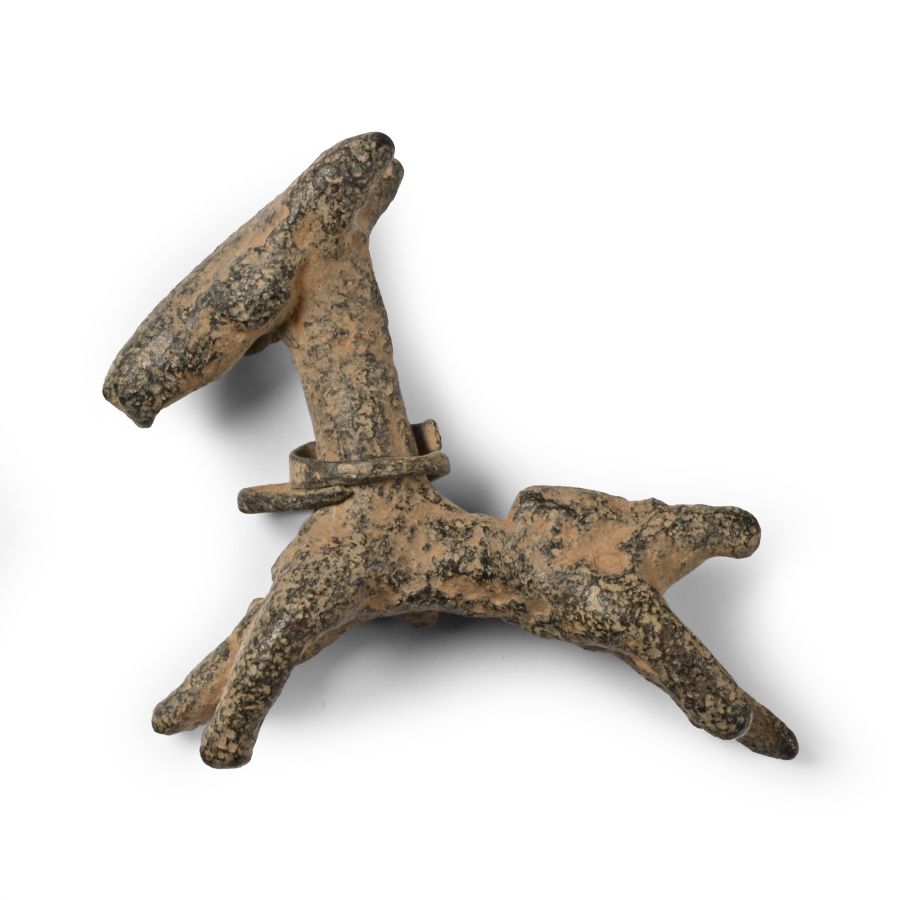
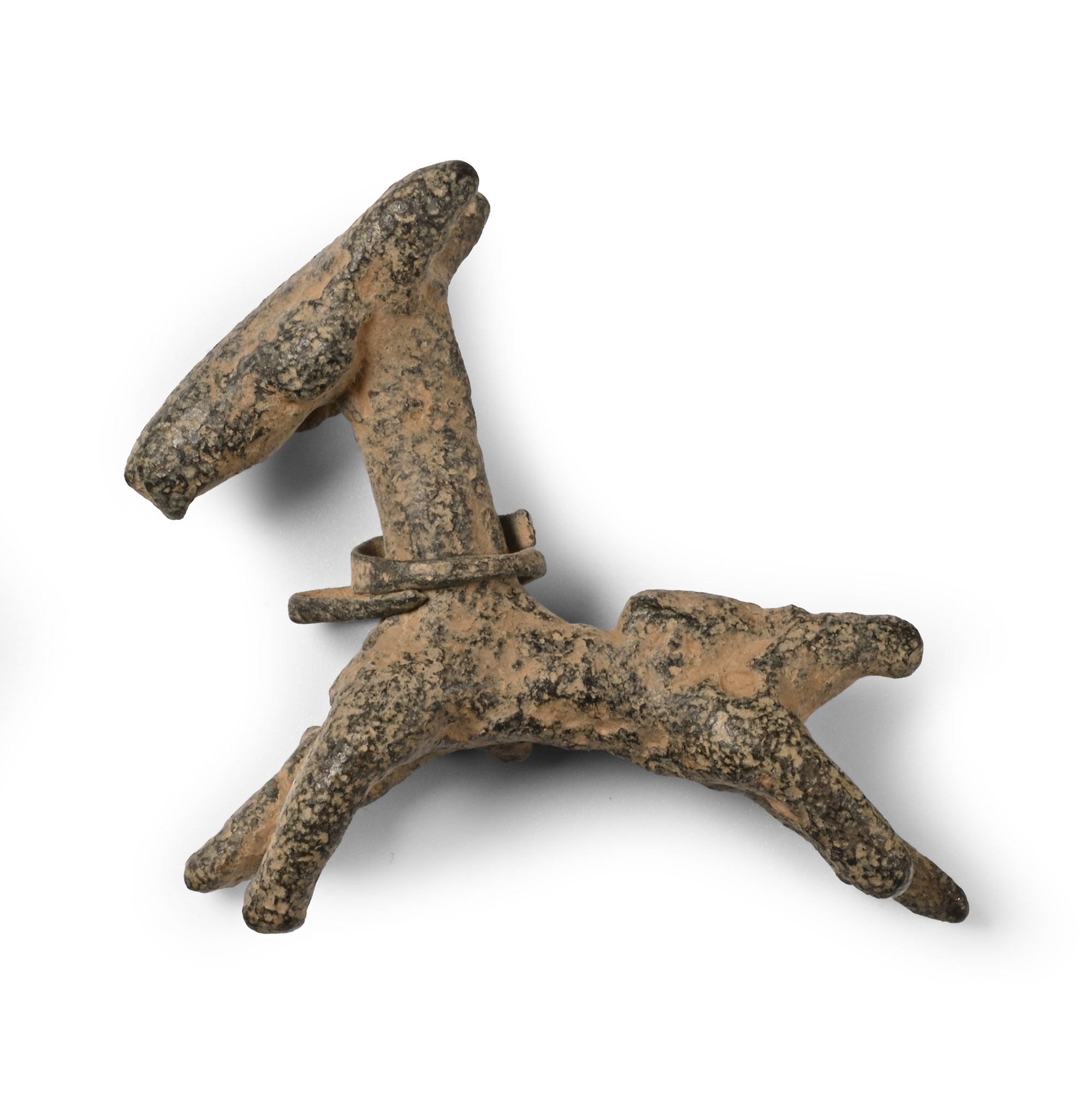
Luristan Bronze Animal
13TH-7TH CENTURY B.C.
1 1/4 in. (8.80 grams, 33 mm).
Modelled in the round horse with legs fully extended, halter to the neck. [No Reserve]
ProvenanceAcquired 1980-2015.
Ex Abelita family collection.
This lot has been cleared against the Art Loss Register database, and is accompanied by an illustrated lot declaration signed by the Head of the Antiquities Department, Dr Raffaele D'Amato.
TimeLine Auctions follows a vetting process to ensure the authenticity and legality of all items, reinforcing our commitment to integrity and responsible trading. Each antiquity, antique, and coin lot undergoes thorough examination by a vetting committee of at least ten external specialists, professional trade association members, scientists, and archaeologists: Our Vetting Process
AUCTIONS:
TimeLine is a leading auction house specialising in antiquities, ancient art, collectables, natural history, coins, medals, and books. Our auctions offer museums, collectors, historians, and enthusiasts the opportunity to acquire unique and historically significant pieces.
-
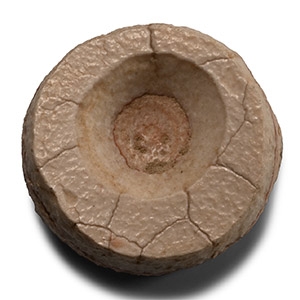
Western Asiatic Alabaster Circular Palette
1st millennium B.C.Sold for (Inc. bp): £26
Featuring attractive striations, circular in shape with a slightly convex base, concave top with a rounded recess off-centre. 47 grams, 45 mm
Ex London and Geneva collection, pre-1988. Accompanied by an old dealer's information label. This lot has been cleared against the Art Loss Register database, and is accompanied by an illustrated lot declaration signed by the Head of the Antiquities Department, Dr Raffaele D'Amato. -
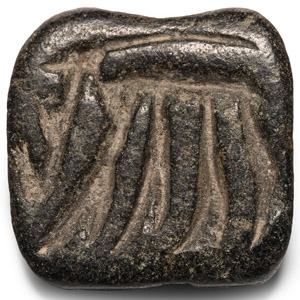
Bactrian Steatite Stamp Seal with Elephant
3rd-2nd millennium B.C.Sold for (Inc. bp): £260
Rectangular with slightly domed top, pierced through the centre, underside with a stylised quadruped with lowered head. 5.53 grams, 23 mm
UK private collection before 2000. Acquired on the UK art market. Property of a London gentleman. This lot has been cleared against the Art Loss Register database, and is accompanied by an illustrated lot declaration signed by the Head of the Antiquities Department, Dr Raffaele D'Amato. -
.jpg)
Aramaic Lead Magical Text Scroll Fragment
2nd-8th century A.D.Sold for (Inc. bp): £351
The remains of a bifacial magical lead scroll with letters written in a form of Aramaic and Greek, incised on a lead tablet preserved in a sub-rectangular fragment. 8.13 grams, 73 mm
Fine condition.
Acquired 1979-1999. London collection of the late Mr S.M., thence by descent. This lot has been cleared against the Art Loss Register database, and is accompanied by an illustrated lot declaration signed by the Head of the Antiquities Department, Dr Raffaele D'Amato.
