
Loading, please wait...
LOT 1491
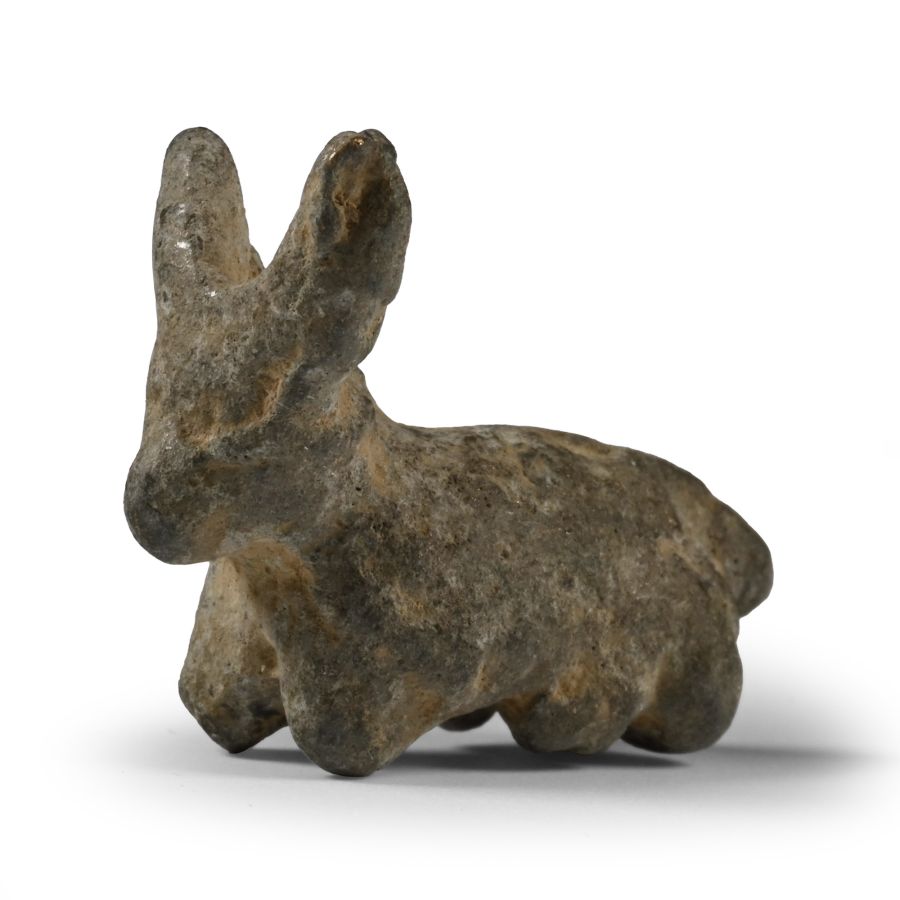
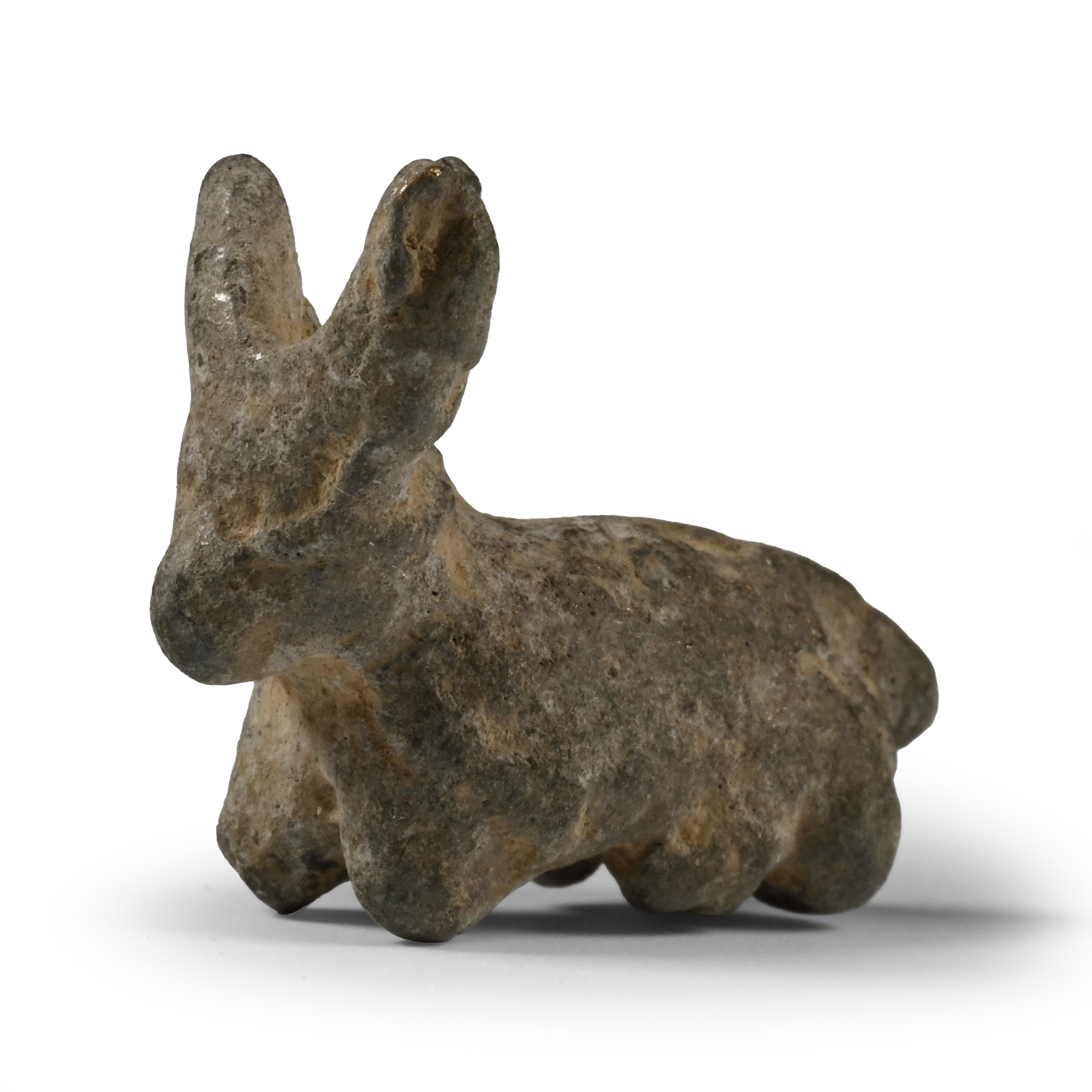
Luristan Bronze Animal
13TH-7TH CENTURY B.C.
1 in. (11.1 grams, 24 mm).
Modelled in the round zebu figure with exaggerated horns. [No Reserve]
ProvenanceAcquired 1980-2015.
Ex Abelita family collection.
This lot has been cleared against the Art Loss Register database, and is accompanied by an illustrated lot declaration signed by the Head of the Antiquities Department, Dr Raffaele D'Amato.
TimeLine Auctions follows a vetting process to ensure the authenticity and legality of all items, reinforcing our commitment to integrity and responsible trading. Each antiquity, antique, and coin lot undergoes thorough examination by a vetting committee of at least ten external specialists, professional trade association members, scientists, and archaeologists: Our Vetting Process
AUCTIONS:
TimeLine is a leading auction house specialising in antiquities, ancient art, collectables, natural history, coins, medals, and books. Our auctions offer museums, collectors, historians, and enthusiasts the opportunity to acquire unique and historically significant pieces.
-
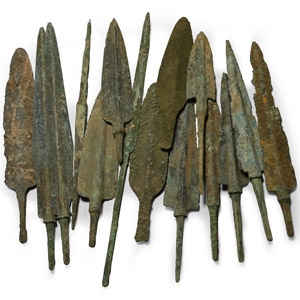
Luristan Bronze Arrowhead Group
13th-6th century B.C.Sold for (Inc. bp): £247
Including flat leaf-shaped, narrow, triangular and other tanged types. 395 grams total, 9.9-19.5 cm
Acquired 1980-2015. Ex Abelita family collection. This lot has been cleared against the Art Loss Register database, and is accompanied by an illustrated lot declaration signed by the Head of the Antiquities Department, Dr Raffaele D'Amato. -
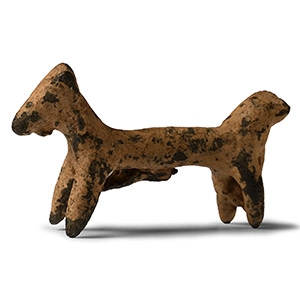
Luristan Bronze Animal Figure
13th-6th century B.C.Sold for (Inc. bp): £39
Likely an ibex modelled in the round, long body and straight legs, upcurving long tail descending between the hind legs, triangular head. 7.64 grams, 34 mm
Ex London, UK, collection 1990 onwards. Accompanied by an old dealer's information card. This lot has been cleared against the Art Loss Register database, and is accompanied by an illustrated lot declaration signed by the Head of the Antiquities Department, Dr Raffaele D'Amato. -
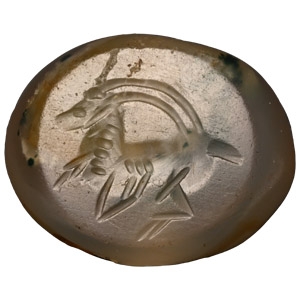
Sasanian Chalcedony Stamp Seal with an Ibex
5th century A.D.Sold for (Inc. bp): £143
Domed body with a large suspension hole to the centre, underside with a reclining ibex, long curving horns extending to the rump. 14.9 grams, 26 mm
UK private collection before 2000. Acquired on the UK art market. Property of a London gentleman. This lot has been cleared against the Art Loss Register database, and is accompanied by an illustrated lot declaration signed by the Head of the Antiquities Department, Dr Raffaele D'Amato.
