
Loading, please wait...

LOT 1247
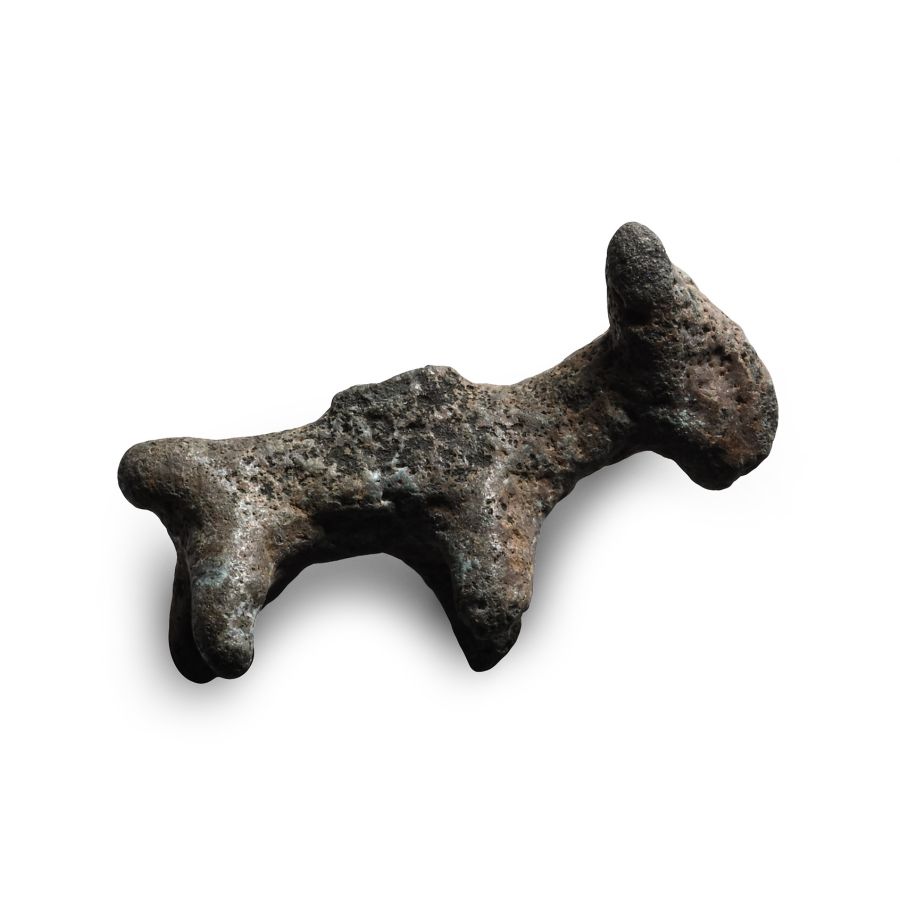
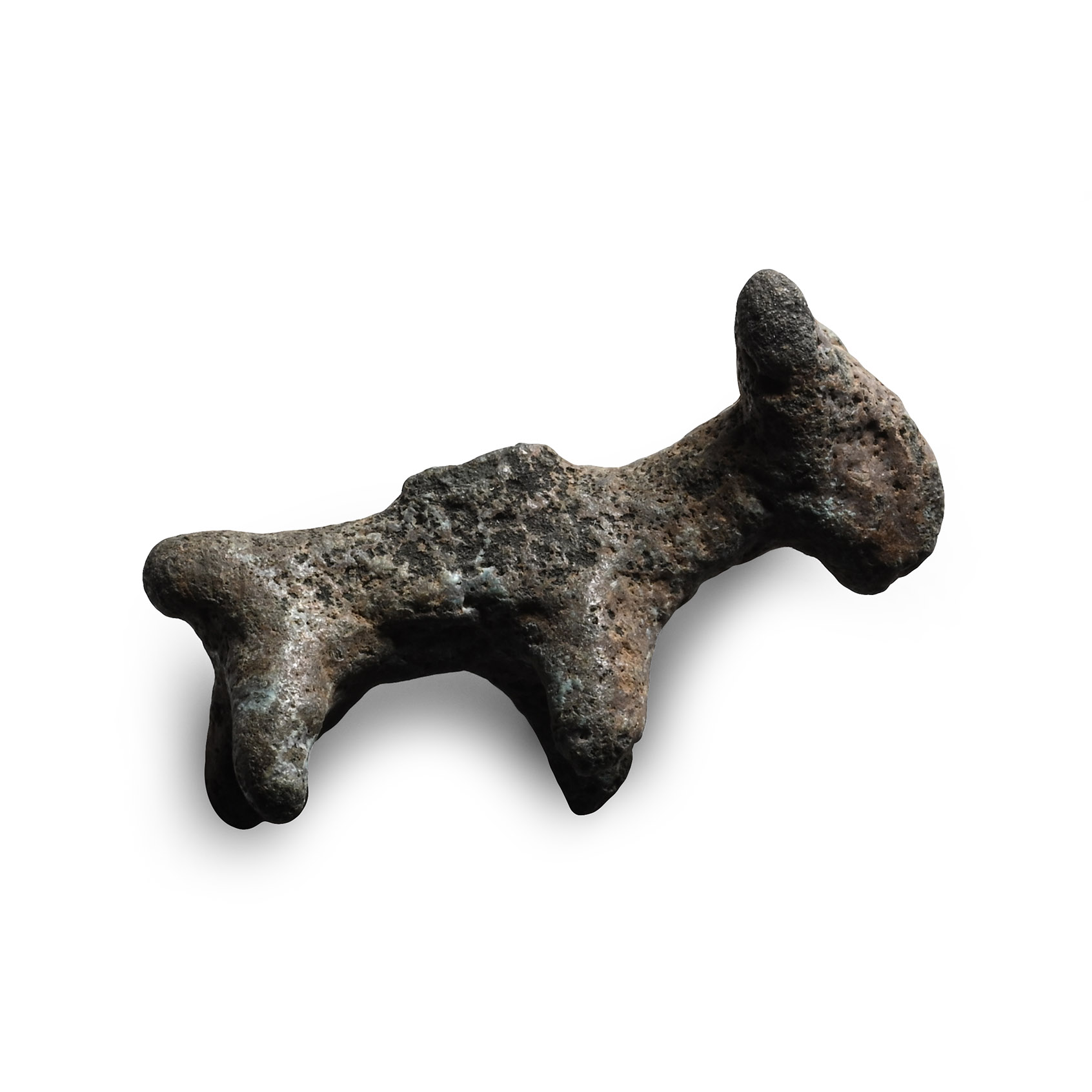
Luristan Bronze Animal
13TH-7TH CENTURY B.C.
1 3/8 in. (11 grams, 33 mm wide).
Cast bronze model of a calf with splayed horns. [No Reserve]
ProvenanceAcquired 1980-2015.
Ex Abelita family collection.
TimeLine Auctions follows a vetting process to ensure the authenticity and legality of all items, reinforcing our commitment to integrity and responsible trading. Each antiquity, antique, and coin lot undergoes thorough examination by a vetting committee of at least ten external specialists, professional trade association members, scientists, and archaeologists: Our Vetting Process
AUCTIONS:
TimeLine is a leading auction house specialising in antiquities, ancient art, collectables, natural history, coins, medals, and books. Our auctions offer museums, collectors, historians, and enthusiasts the opportunity to acquire unique and historically significant pieces.
-
Sumerian Jemdet Nasr Type Blue Stone Animal
Late 4th-early 3rd millennium B.C.Sold for (Inc. bp): £585
D-shaped in section, formed as a zebu with its legs folded beneath the body; five small ibexes to the reverse. 71 grams, 58 mm
Property of a London gentleman; acquired by his father in the 1970s; thence by descent. -
Safavid Tile Depicting a Lady
16th-17th century A.D.Sold for (Inc. bp): £936
Octagonal in plan with polychrome glazed female bust surrounded by flowers. 723 grams, 18.3 cm
Acquired in London, 3 May 1989. Private collection, London. -
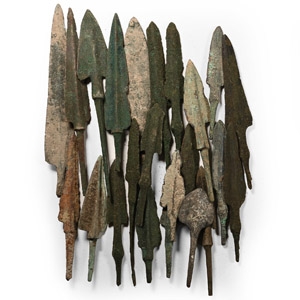
Luristan Bronze Arrows and Blades
13th-7th century B.C.Sold for (Inc. bp): £351
Including tanged, spade-shaped, leaf-shaped and others. 367 grams total, 6.2-13.8 cm
Ex London, UK, collection, 1990s.
