
Loading, please wait...
LOT 1052
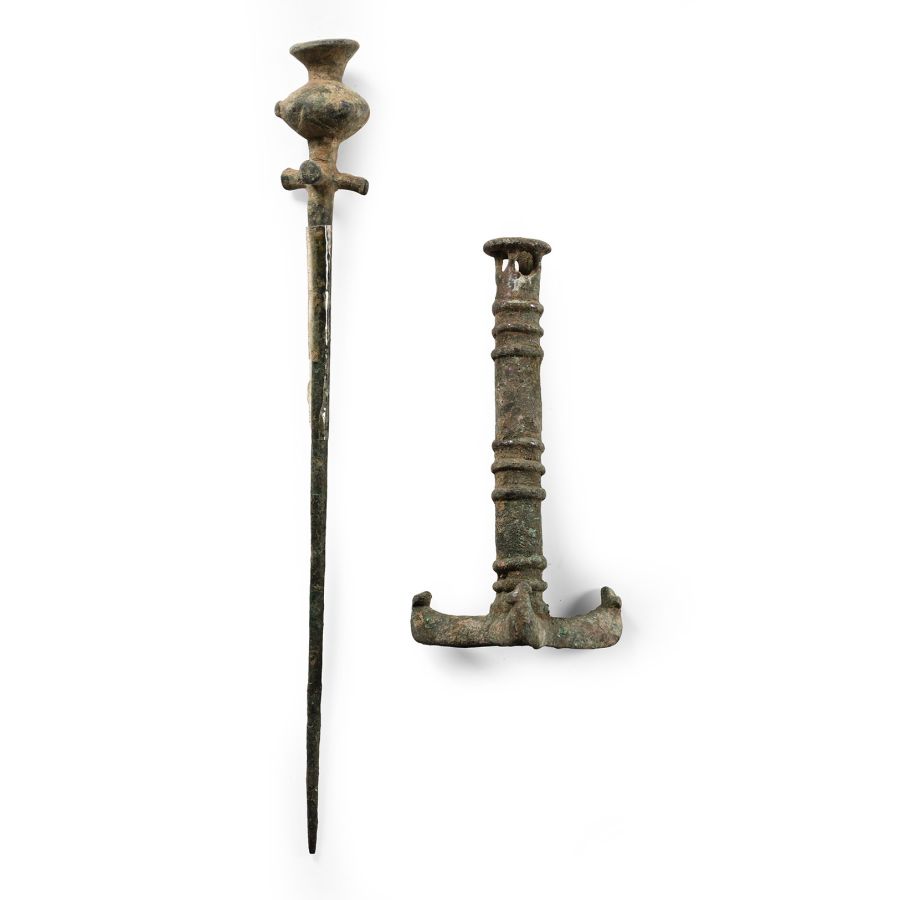
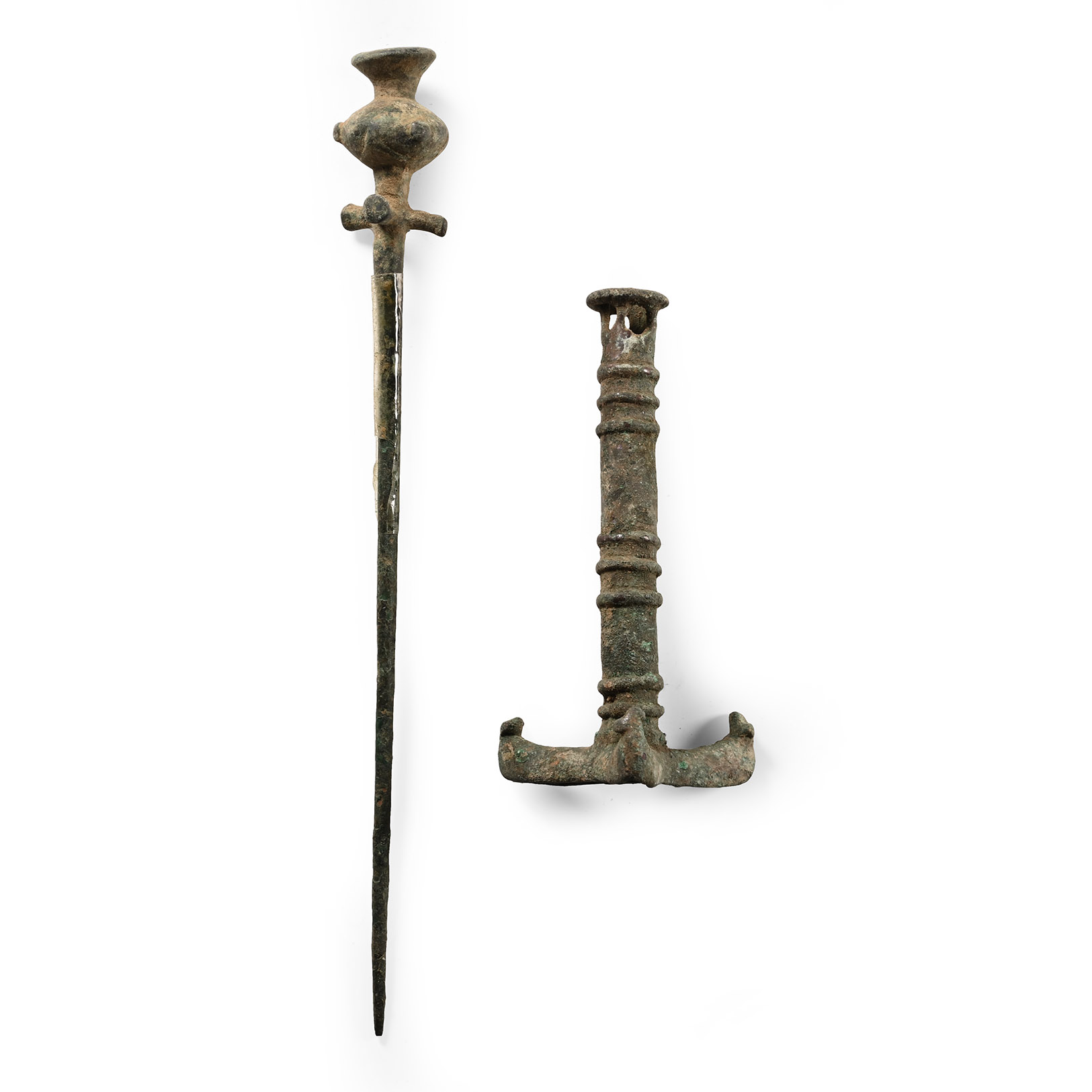
Luristan Animal-Footed Stand and Pin
13TH-7TH CENTURY B.C.
4 - 7 7/8 in. (134 grams total, 10-20 cm).
Comprising: a ribbed tubular stand with radiating legs, beast-head finials; dress-pin with poppy-head final and three radiating lugs. [2]
ProvenanceAcquired 1980-2015.
Ex Abelita family collection.
TimeLine Auctions follows a vetting process to ensure the authenticity and legality of all items, reinforcing our commitment to integrity and responsible trading. Each antiquity, antique, and coin lot undergoes thorough examination by a vetting committee of at least ten external specialists, professional trade association members, scientists, and archaeologists: Our Vetting Process
AUCTIONS:
TimeLine is a leading auction house specialising in antiquities, ancient art, collectables, natural history, coins, medals, and books. Our auctions offer museums, collectors, historians, and enthusiasts the opportunity to acquire unique and historically significant pieces.
-
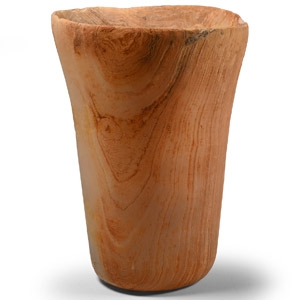
Bactrian Alabaster Vessel
1st millennium B.C.Estimate: £300 - 400 (+bp*)
Opening Bid: £150
Conical in profile with disc base, flared sidewall tapering to a narrow rim. 847 grams, 15 cm
Ex London, UK, gallery, 1971-early 2000s. London, UK, collection. -
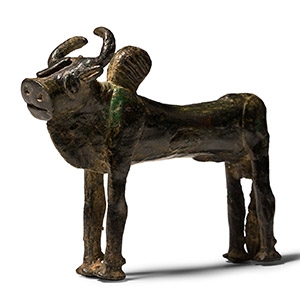
Elamite Bronze Bull Statuette
2nd-1st millennium B.C.Sold for (Inc. bp): £2,600
Modelled in the round as a zebu standing on all four legs with dewlap and crescent horns. 215 grams, 10.5 cm
Private collection, London, UK; formed 1970s-1980s. From a private collection of an Exeter gentleman since 2015. -
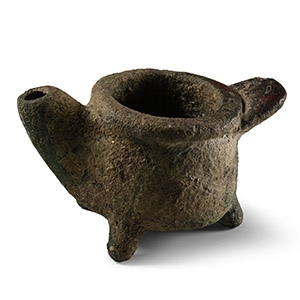
Western Asiatic Spouted Bronze Pot
1st millennium B.C.Sold for (Inc. bp): £52
Cylindrical with three stub legs, rolled rim, flange handle, angled spout. 107 grams, 63 mm
From an important London, UK, collection formed since 1965. Ex property of a Mayfair lady.
