
Loading, please wait...

LOT 1442
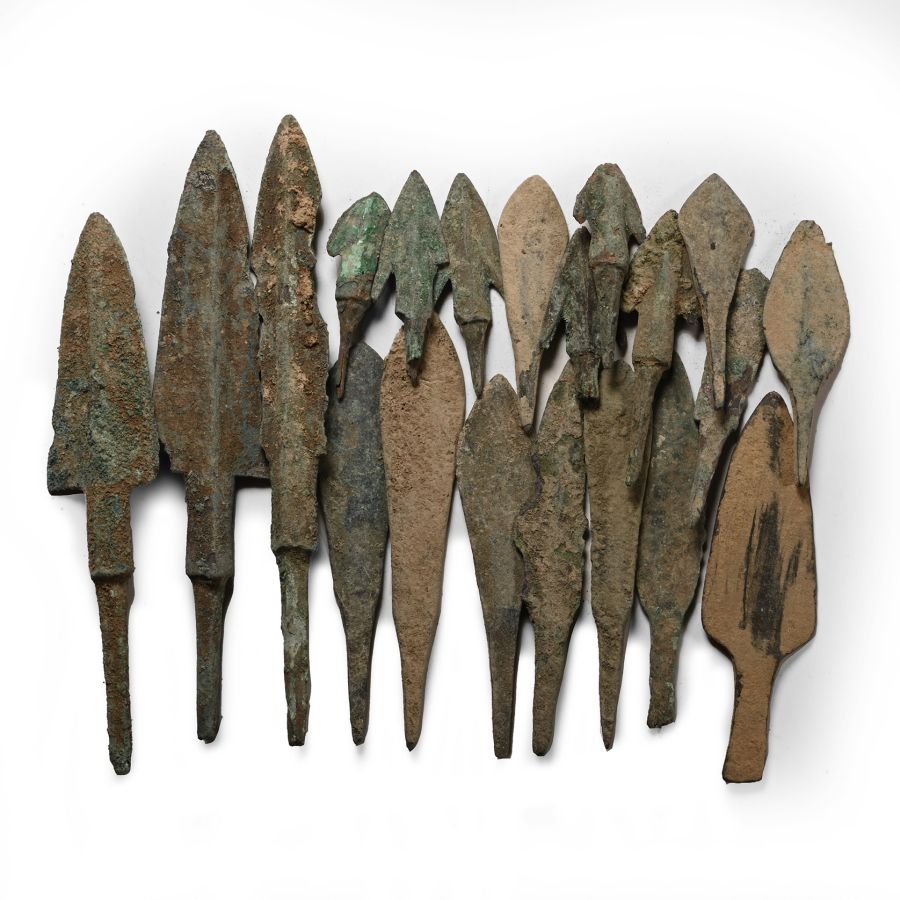
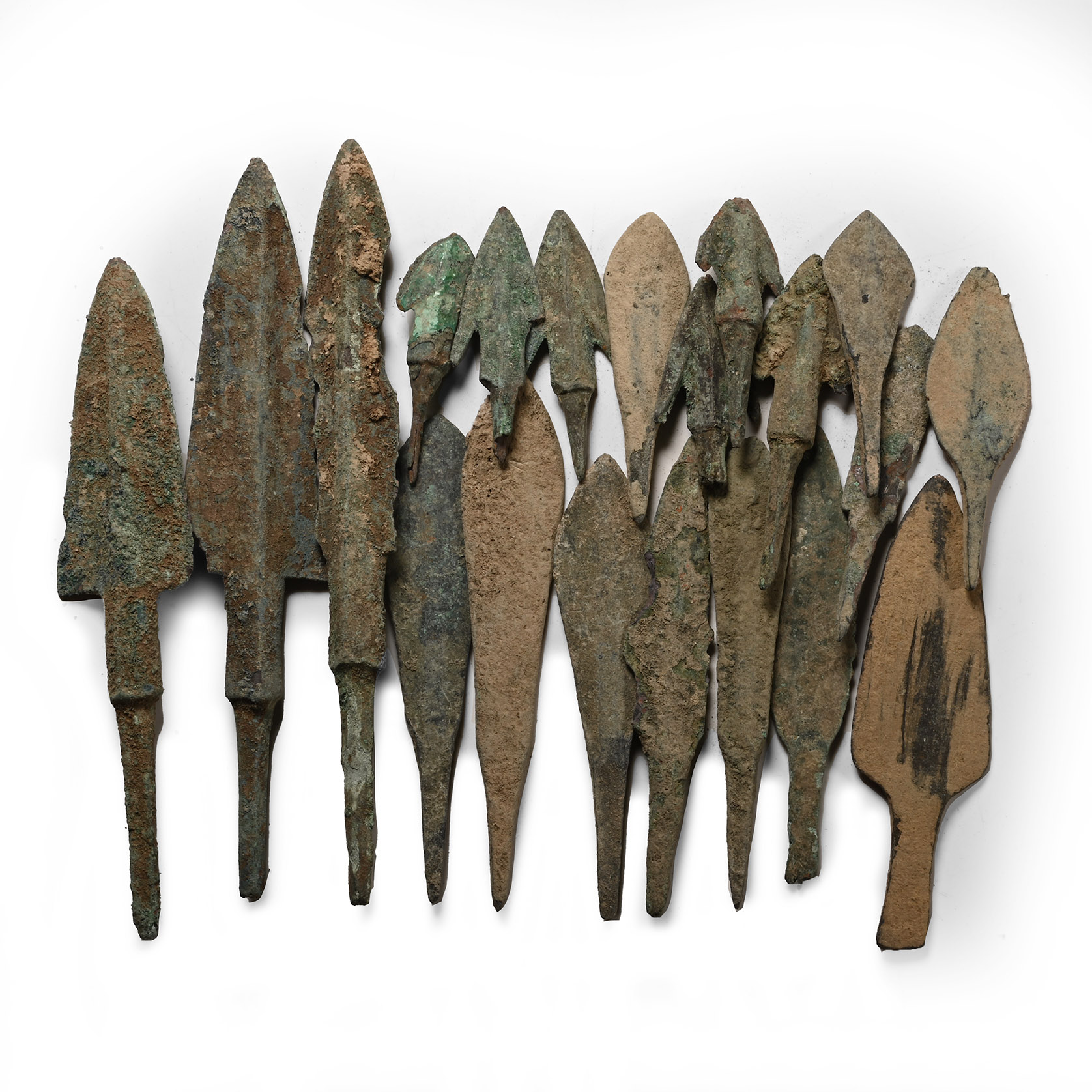
Luristan and Phoenician Bronze Arrowheads
13TH-7TH CENTURY B.C.
1 1/4 - 4 1/2 in. (202 grams total, 3.3-11.5 cm).
Mixed group of socketted, tanged and other arrowheads. [20]
ProvenanceEx London, UK, collection, 1990s.
CONDITIONTimeLine Auctions follows a vetting process to ensure the authenticity and legality of all items, reinforcing our commitment to integrity and responsible trading. Each antiquity, antique, and coin lot undergoes thorough examination by a vetting committee of at least ten external specialists, professional trade association members, scientists, and archaeologists: Our Vetting Process
AUCTIONS:
TimeLine is a leading auction house specialising in antiquities, ancient art, collectables, natural history, coins, medals, and books. Our auctions offer museums, collectors, historians, and enthusiasts the opportunity to acquire unique and historically significant pieces.
-
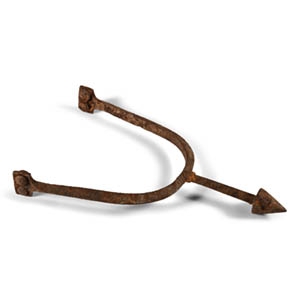
Post Medieval Iron Prick Spur
20th century A.D. or earlierSold for (Inc. bp): £39
With rectangular finials, D-section frame and conical prick. 67 grams, 15.5 cm
From a private Barnsley, UK, family collection. -
.jpg)
Luristan Bronze Dagger
13th-7th century B.C.Sold for (Inc. bp): £442
With ogival blade featuring a square sectioned mid-rib, tubular handle with two horizontal grooves of circular shape and disc pommel. 338 grams, 31.5 cm
Acquired 1980-2015. Ex Abelita family collection.
The dagger represents an uncommon type with its disk pommel and short grip but with a foliate blade of a spearhead. Similar types were already visible in the Mesopotamian reliefs of early 19th century, but pommel disc daggers and foliate blades are a combination that was archaeologically documented on Caucasian daggers until the 9th century B.C., employed by the Urartian warriors. -
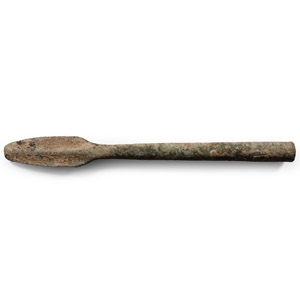
Luristan Bronze Spearhead
Circa 1000 B.C.Sold for (Inc. bp): £26
With short foliate blade, shallow midrib and long socketted shaft with fastening holes. 112 grams, 22.8 cm
Acquired 1980-2015. Ex Abelita family collection.
