
Loading, please wait...
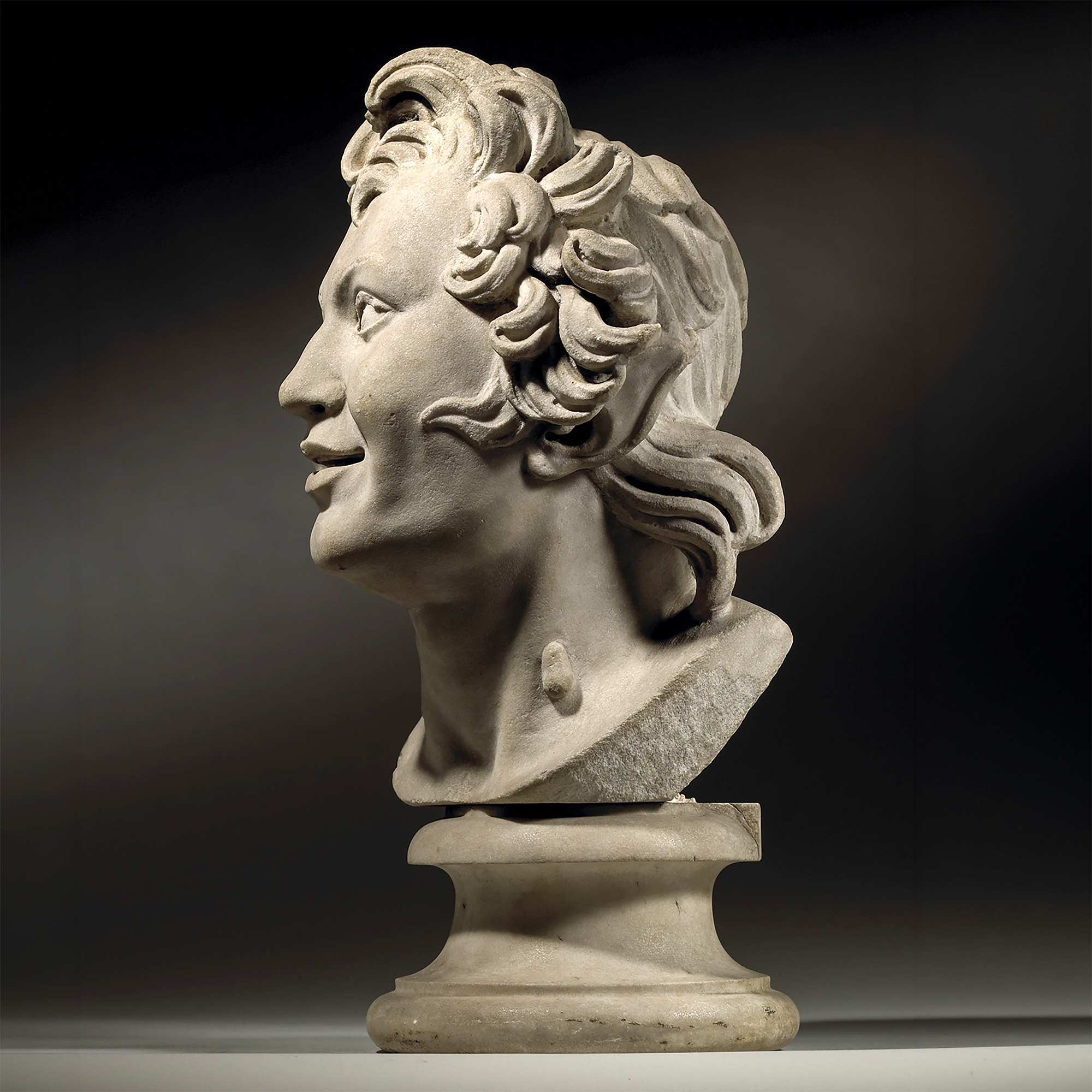
LOT 0338
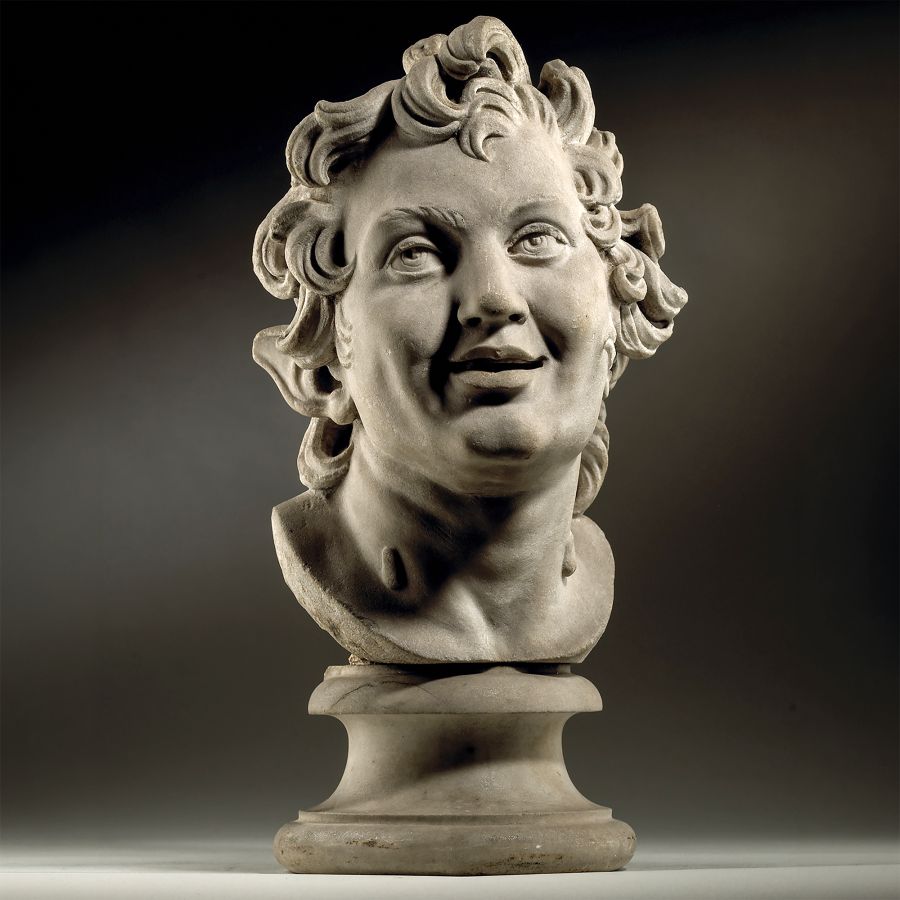
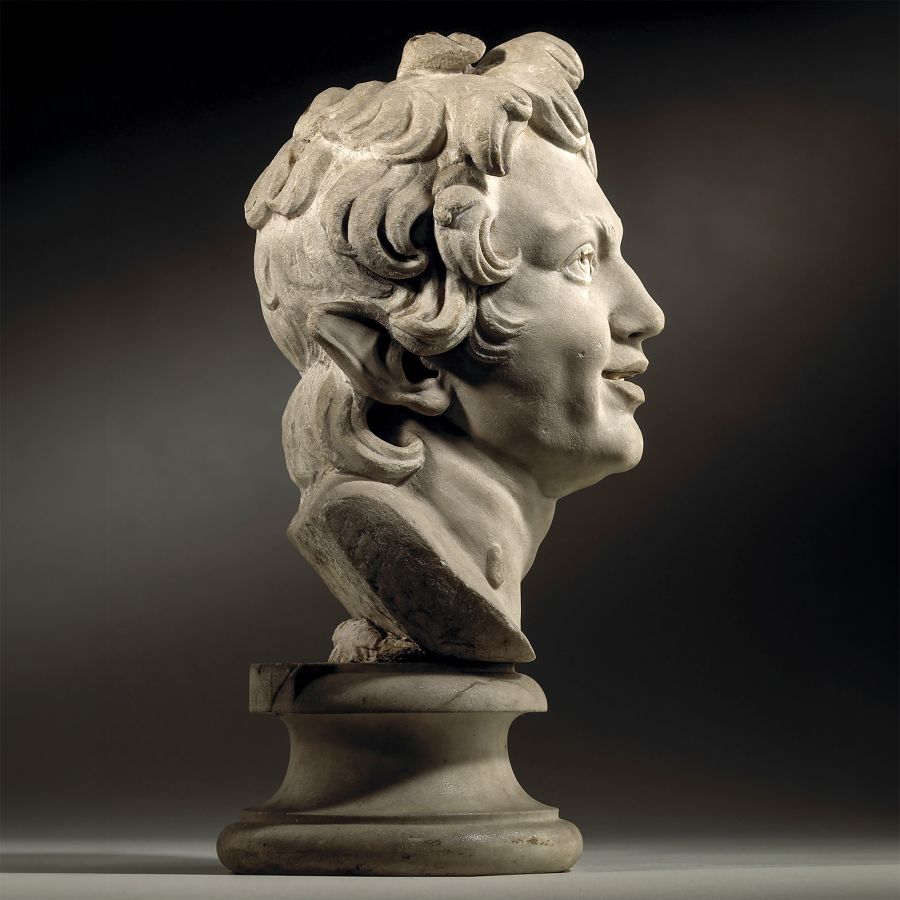
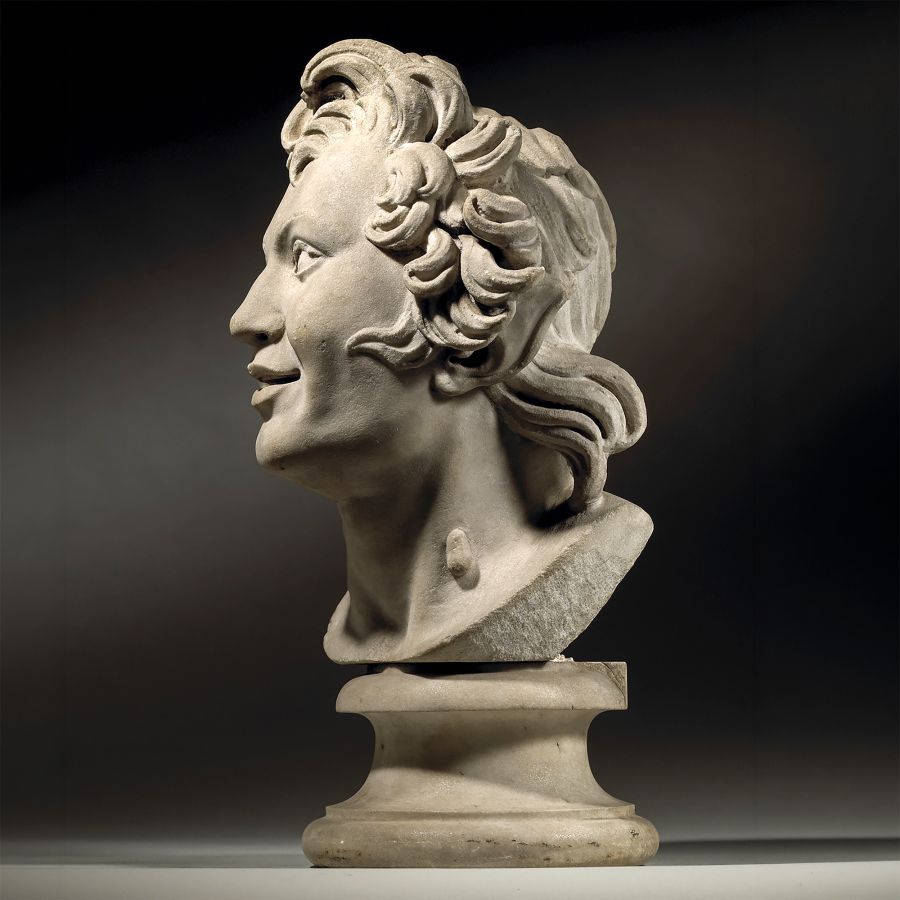
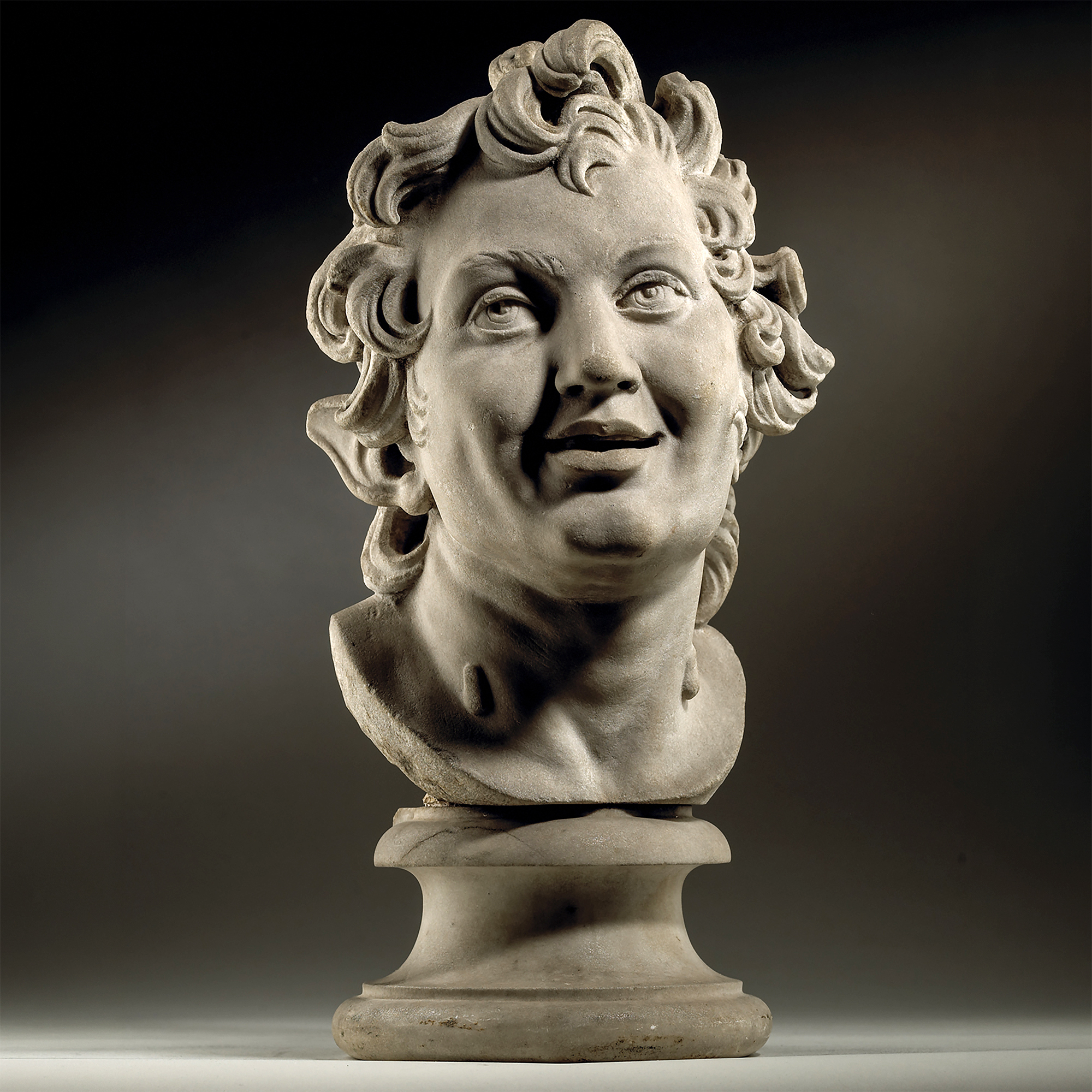
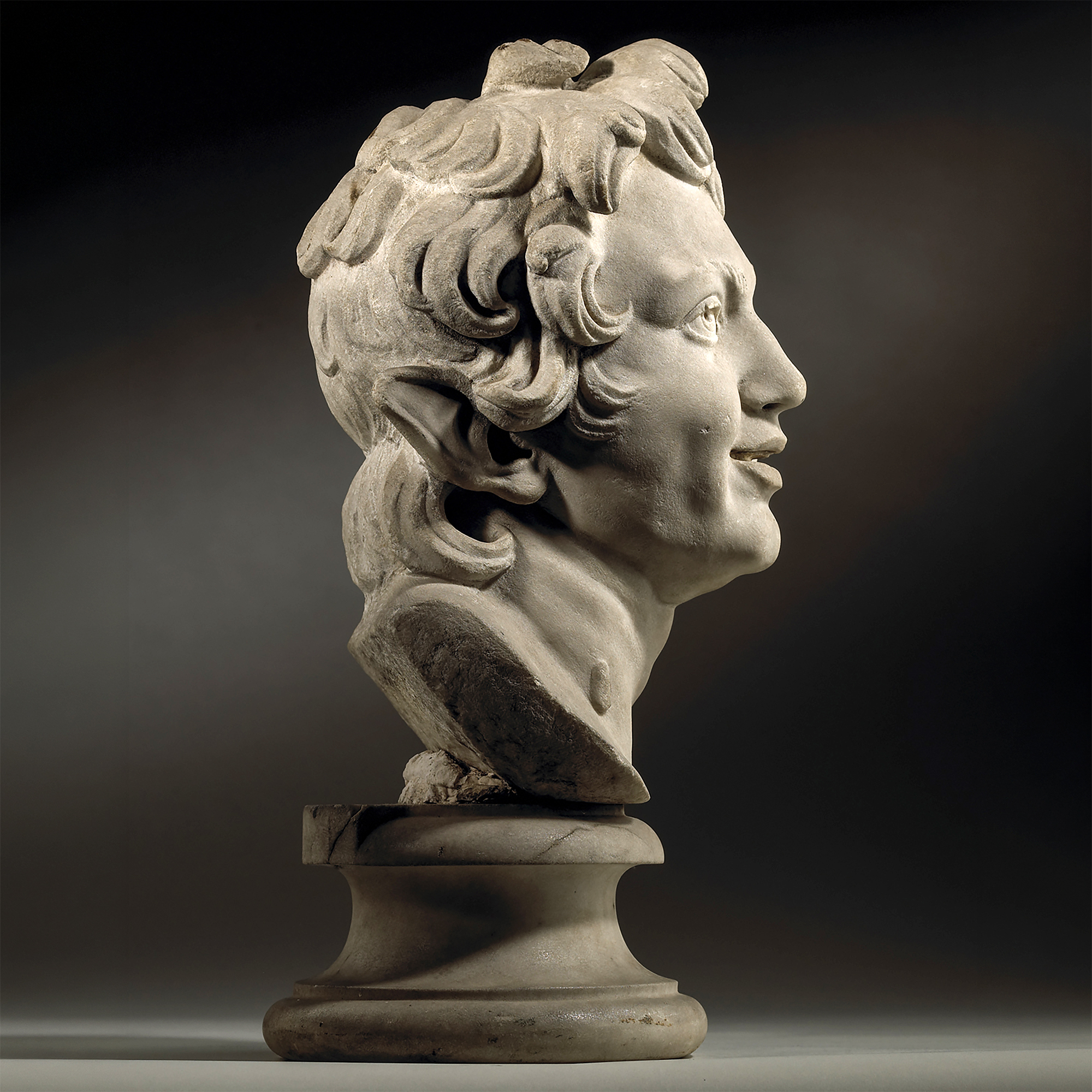
Life-Size Stone Head of a Centaur
18TH CENTURY A.D.
17 3/4 in. (21.4 kg, 45 cm high).
Carved in the round bust depicting a faun or centaur with a youthful face; the hair falling in exuberant curls over the goat-like ears, the mouth parted in laughter, the eyes set beneath a stern brow; on an integral pedestal base with repair to reverse.
ProvenancePrivate collection, UK.
This lot has been checked against the Interpol Database of stolen works of art and is accompanied by search certificate number no.13392-259012.
Cf. Haskell, F. and Penny, N., Taste and the Antique, The Lure of Classical Sculpture, 1500-1900, London, 1982, pp.176-9.
FootnotesMonumental marble centaurs were excavated together at Hadrian's Villa in December 1736. Pope Clement XIII secured them for the Capitoline Museum, where they remain to this day. Bronze reproductions of the famous centaurs were very much in vogue amongst the Grand Tour travellers of the 18th century.
CONDITIONTimeLine Auctions follows a vetting process to ensure the authenticity and legality of all items, reinforcing our commitment to integrity and responsible trading. Each antiquity, antique, and coin lot undergoes thorough examination by a vetting committee of at least ten external specialists, professional trade association members, scientists, and archaeologists: Our Vetting Process
AUCTIONS:
TimeLine is a leading auction house specialising in antiquities, ancient art, collectables, natural history, coins, medals, and books. Our auctions offer museums, collectors, historians, and enthusiasts the opportunity to acquire unique and historically significant pieces.
-
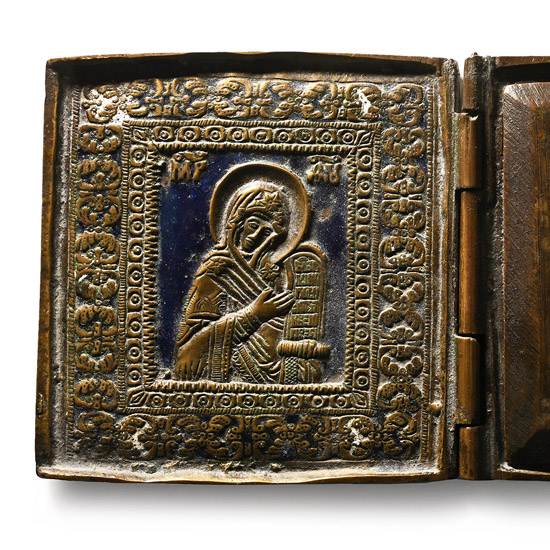
Russian Orthodox Enamelled Bronze Triptych Icon with Christ, Virgin Mary and Saint John
Circa 1820 A.D.Sold for (Inc. bp): £247
Depicting the Deesis divided in three panels, with Jesus Christ at the centre, Saint Mary on the left panel and Saint John the Baptist on the right; God holding the Gospel in his left hand and raising his right hand in blessing; Mary with veiled head and mantle, wearing a maphorion mantle over an embroidered robe and holding a scroll; Saint John, portrayed as an elderly man, wearing a camel-skin robe, winged and holding a bowl containing an infant with flexed legs and raised right hand, the saint’s right hand pointing toward the infant Jesus, his left hand holding a scroll with the prophecy of Isaiah, while the right hand is raised in blessing gesture; Old Slavic inscription around the figures: 'ΙC ΧΡ' (Jesus Christ); 'ΜΡ ϴΥ'(Mother of God), ‘Saint John the Precursor’ (Иоа́нн Предте́ча); the images framed by a pseudo-vegetal and abstract decorations; the instruments of the Passion and the city of Jerusalem on the cover. 553 grams, 10 cm
Ex David Miller, Hemel Hempstead, London, UK. From the private collection of a West London, UK, gentleman, formed since the early 2000s.
The Deisis or Deesis (Деисус, Gk. for “supplication”) was the depiction of the Virgin, John the Baptist and possibly many more saints interceding with Christ on behalf of mankind. -
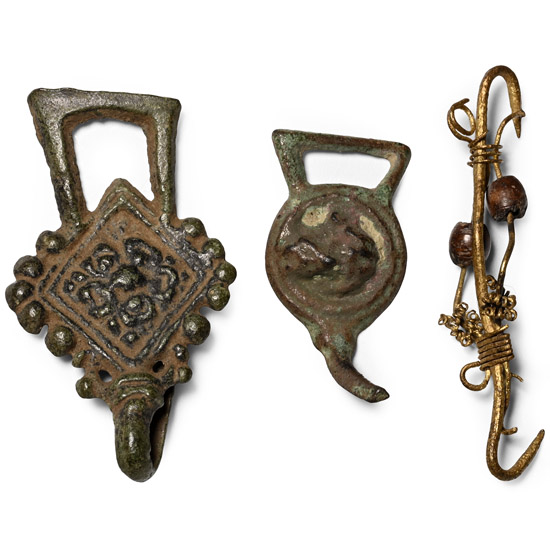
Tudor Period Bronze Hook Fastener Group
Circa 16th century A.D.Sold for (Inc. bp): £13
Comprising: a fastener with a bust; a large fastener with a lozenge-shaped plate with a floral motif; a wire fastener with two hooked ends, wire decoration and two decorative beads. 7.69 grams total, 28-41 mm
From the private collection of Graham Slater (1927-2024), Cambridge, UK; formed 1980s-1990s. -
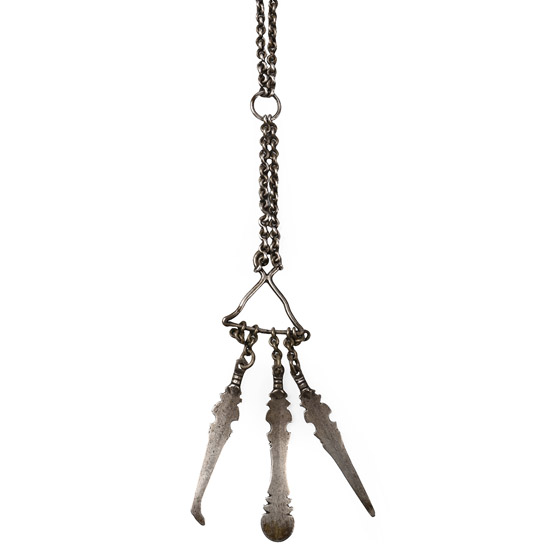
Post Medieval Silver Betel Container
18th-19th century A.D.Sold for (Inc. bp): £78
Hanging chatelaine with a hinged hexagonal container suspended from one side and three grooming tools on the other end. 18.45 grams, 11.3 cm
Acquired on the European art market.
