
Loading, please wait...
LOT 1087
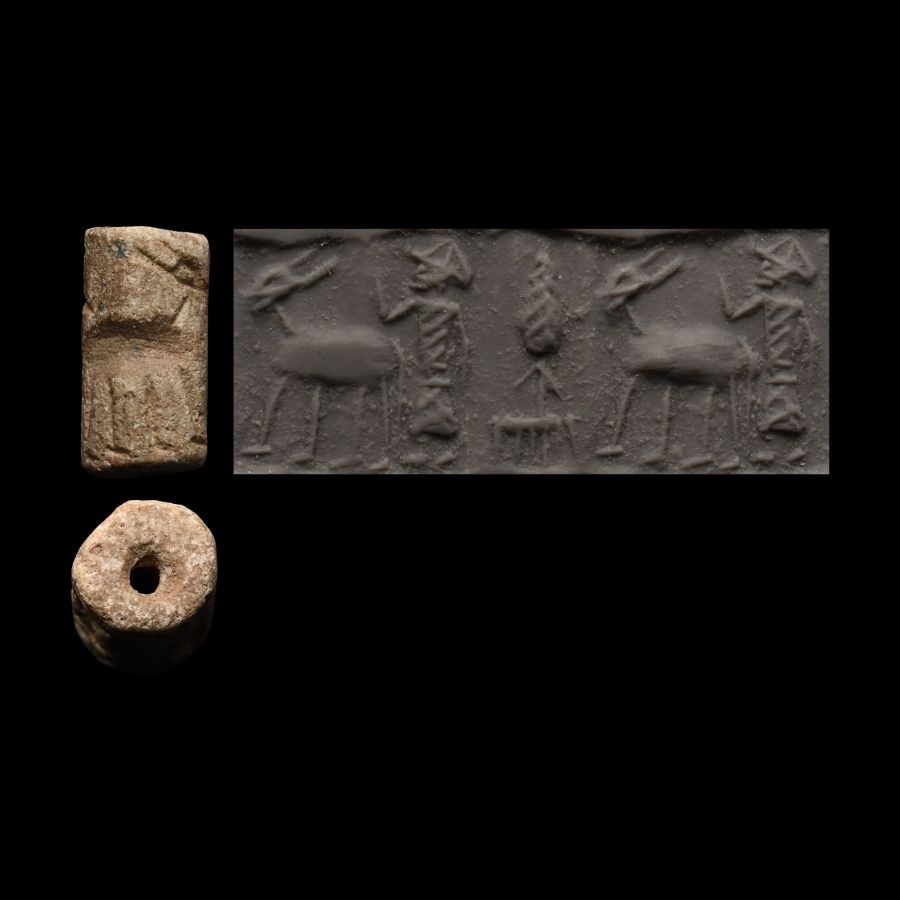
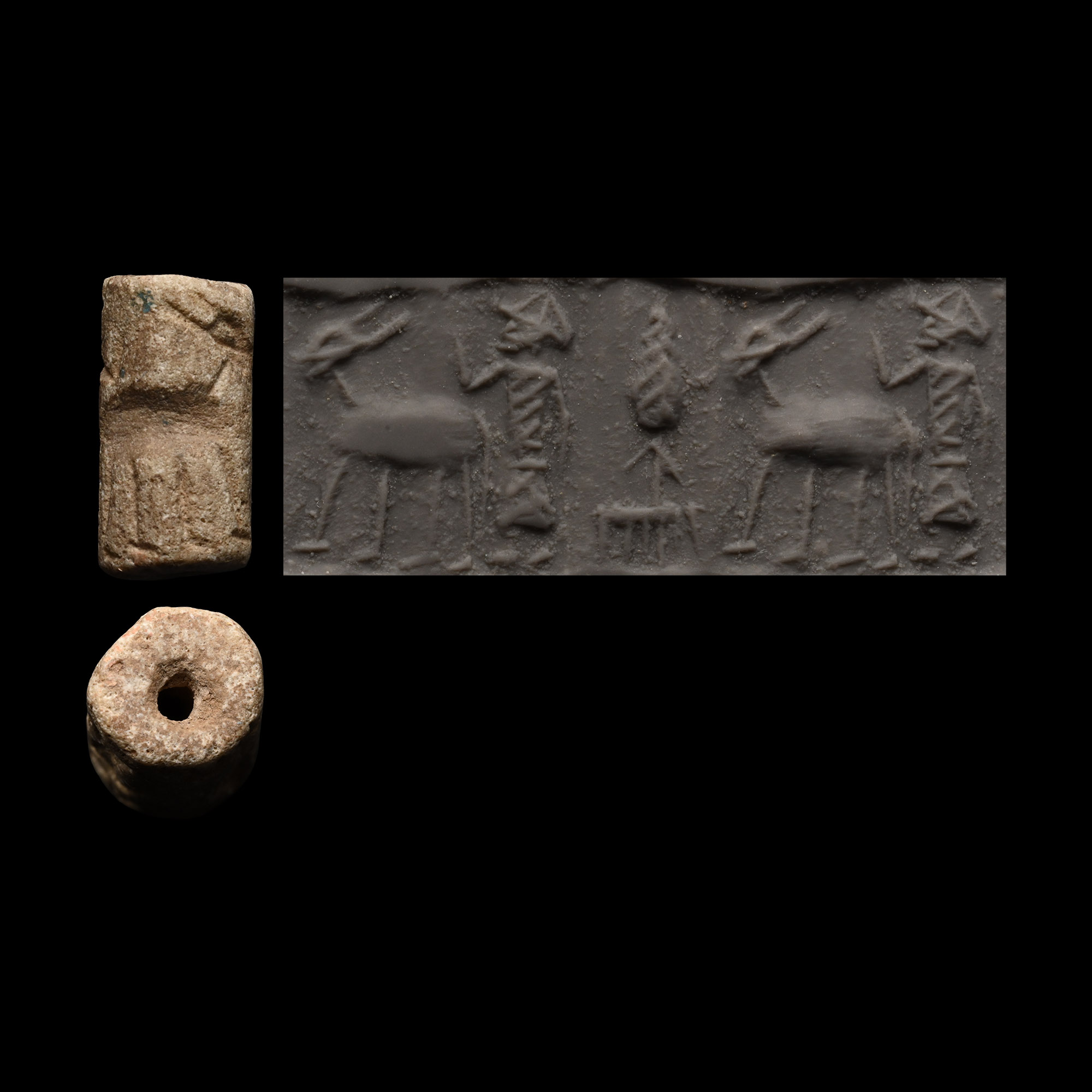
Levantine Limestone Cylinder Seal
12TH-10TH CENTURY B.C. OR LATER
3/4 in. (2.23 grams, 20 mm).
With incuse frieze depicting a herdsman with a goat beside a structure (possibly a hearth with flame); supplied with a museum-quality impression. [No Reserve]
ProvenanceAcquired on the European art market, 1980s.
From the collection of G.M.R.H., London, UK.
This lot has been cleared against the Art Loss Register database, and is accompanied by an illustrated lot declaration signed by the Head of the Antiquities Department, Dr Raffaele D'Amato.
TimeLine Auctions follows a vetting process to ensure the authenticity and legality of all items, reinforcing our commitment to integrity and responsible trading. Each antiquity, antique, and coin lot undergoes thorough examination by a vetting committee of at least ten external specialists, professional trade association members, scientists, and archaeologists: Our Vetting Process
AUCTIONS:
TimeLine is a leading auction house specialising in antiquities, ancient art, collectables, natural history, coins, medals, and books. Our auctions offer museums, collectors, historians, and enthusiasts the opportunity to acquire unique and historically significant pieces.
-
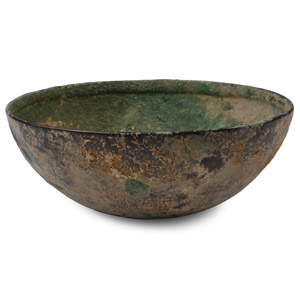
Western Asiatic Bronze Bowl
Late 1st millennium B.C.Sold for (Inc. bp): £46
Of hemispherical form with a thickened rim. 205 grams, 13.7 cm
Ex London, UK, collections, 1990s-2000s. This lot has been cleared against the Art Loss Register database, and is accompanied by an illustrated lot declaration signed by the Head of the Antiquities Department, Dr Raffaele D'Amato. -
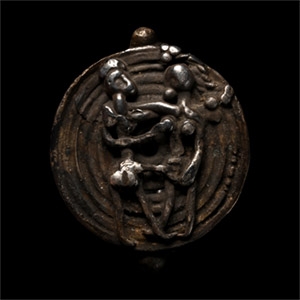
Amlash Silver Ring with Erotic Scene
1st millennium B.C.Sold for (Inc. bp): £221
D-section hoop with discoid bezel formed from a coiled wire, applied low-relief stylised couple engaged in coitus. 9.05 grams, 28.01 mm overall, 20.35 mm internal diameter (approximate size British S, USA 9, Europe 20, Japan 19)
Acquired in 1967. Private collection, London, UK. This lot has been cleared against the Art Loss Register database, and is accompanied by an illustrated lot declaration signed by the Head of the Antiquities Department, Dr Raffaele D'Amato. -
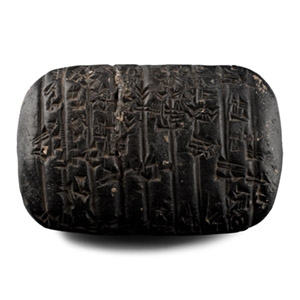
Western Asiatic Terracotta Cuneiform Tablet
2nd millennium B.C.Estimate: £2,000 - 3,000 (‡+bp*)
Opening Bid: £1,000
Pillow-shaped with columnar ribbing to the broad faces, dense cuneiform text in the columns. 57.2 grams, 63 mm
Private collection of Mr K., Maryland, USA. Private collection, Switzerland, acquired in 2000. This lot has been checked against the Interpol Database of stolen works of art and is accompanied by a search certificate number no.12893-241757. This lot has been cleared against the Art Loss Register database, and is accompanied by an illustrated lot declaration signed by the Head of the Antiquities Department, Dr Raffaele D'Amato.
