
Loading, please wait...

LOT 0788
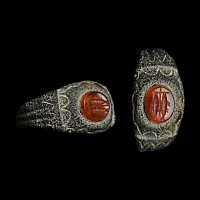
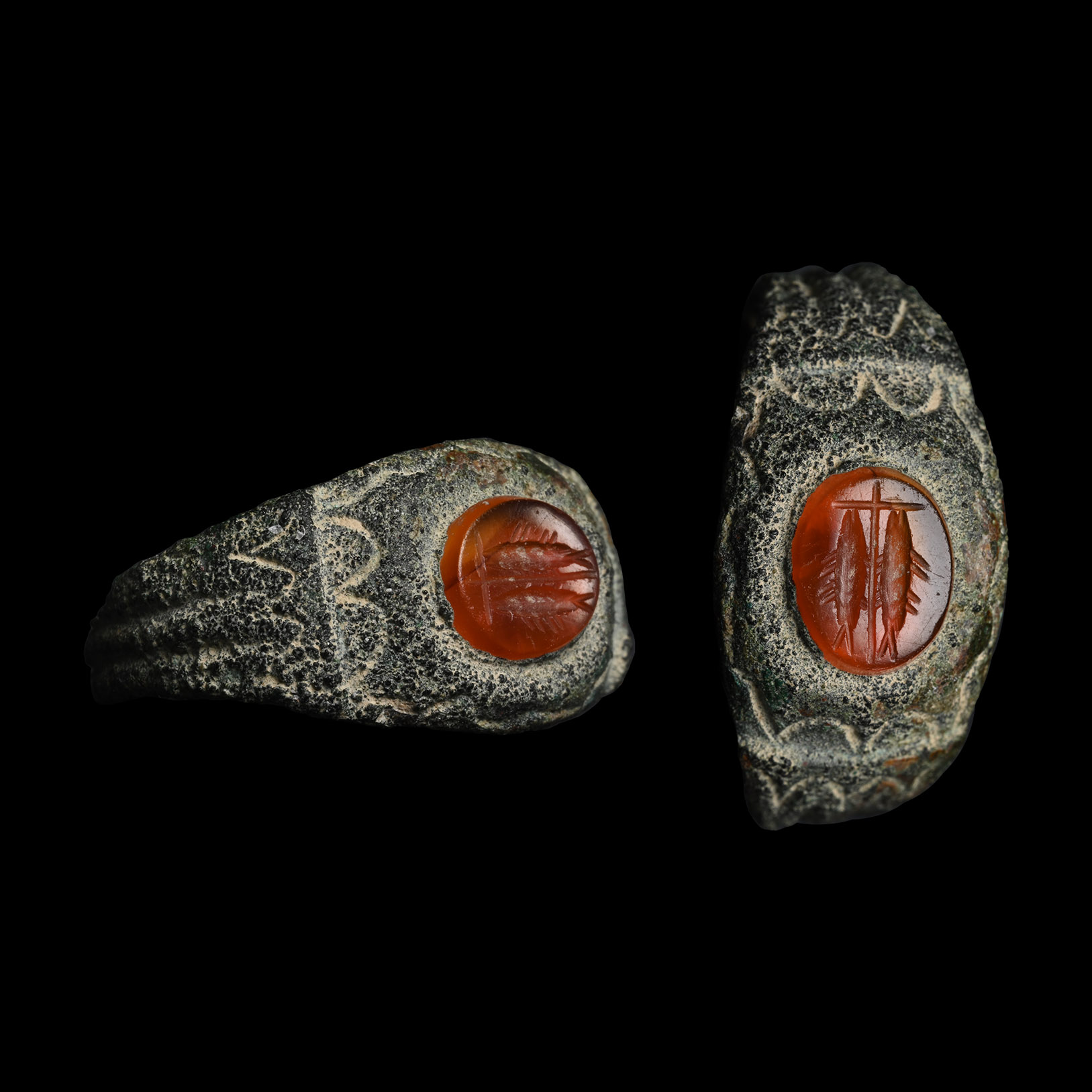
Late Roman Ring with Cross and Fish Gemstone
4TH-5TH CENTURY A.D.
3/4 in. (1.85 grams, 20.46 mm overall, 17.28 mm internal diameter (approximate size British I, USA 4 1/4, Europe 7.44, Japan 7)).
With flared shoulders and arcading, inset carnelian cloison with intaglio cross with pair of fish. [No Reserve]
ProvenanceEx private London, UK, collection, 1970-1990.
From the collection of a London antiquarian.
Cf. Ruseva-Slokoska, L., Roman Jewellery, Sofia, 1991, items 193, 194.
CONDITIONTimeLine Auctions follows a vetting process to ensure the authenticity and legality of all items, reinforcing our commitment to integrity and responsible trading. Each antiquity, antique, and coin lot undergoes thorough examination by a vetting committee of at least ten external specialists, professional trade association members, scientists, and archaeologists: Our Vetting Process
AUCTIONS:
TimeLine is a leading auction house specialising in antiquities, ancient art, collectables, natural history, coins, medals, and books. Our auctions offer museums, collectors, historians, and enthusiasts the opportunity to acquire unique and historically significant pieces.
-
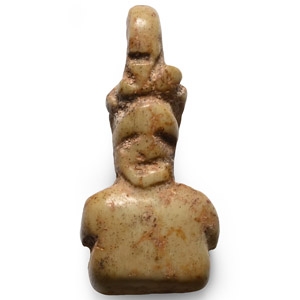
Roman Bone Pendant of a Nude Man
1st-4th century A.D.Sold for (Inc. bp): £26
Carved bust with pierced suspension lug above. 1.2 grams, 22 mm
From the collection of a gentleman, acquired on the London art market in the 1990s. -
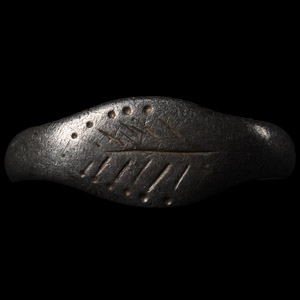
Roman Silver Ring with Palm Branch
1st-2nd century A.D.Sold for (Inc. bp): £72
With D-section hoop and ellipsoid bezel with incuse frond motif. 2.11 grams, 19.64 mm overall, 16.84 mm internal diameter (approximate size British K, USA 5 1/4, Europe 9.95, Japan 9)
Ex German art market, 2000s. Acquired from an EU collector living in London. From the collection of Surrey, UK, gentleman. -
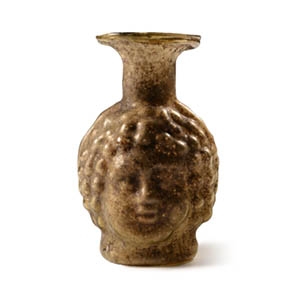
Roman Mould-Blown Janus Flask
1st-3rd century A.D.Estimate: £2,000 - 3,000 (+bp*)
Opening Bid: £1,000
Formed as two addorsed heads with a short cylindrical neck and flaring mouth, applied rim; both heads with abundant hair framing the face. 24.4 grams, 77 mm
Acquired on the German art market, 1989-1995. with The Museum Gallery, 19 Bury Place, London, WC1, UK, 1998-2003. Property of a London based academic, 2003-present. This lot has been checked against the Interpol Database of stolen works of art and is accompanied by a search certificate number no.12395-226035.
